


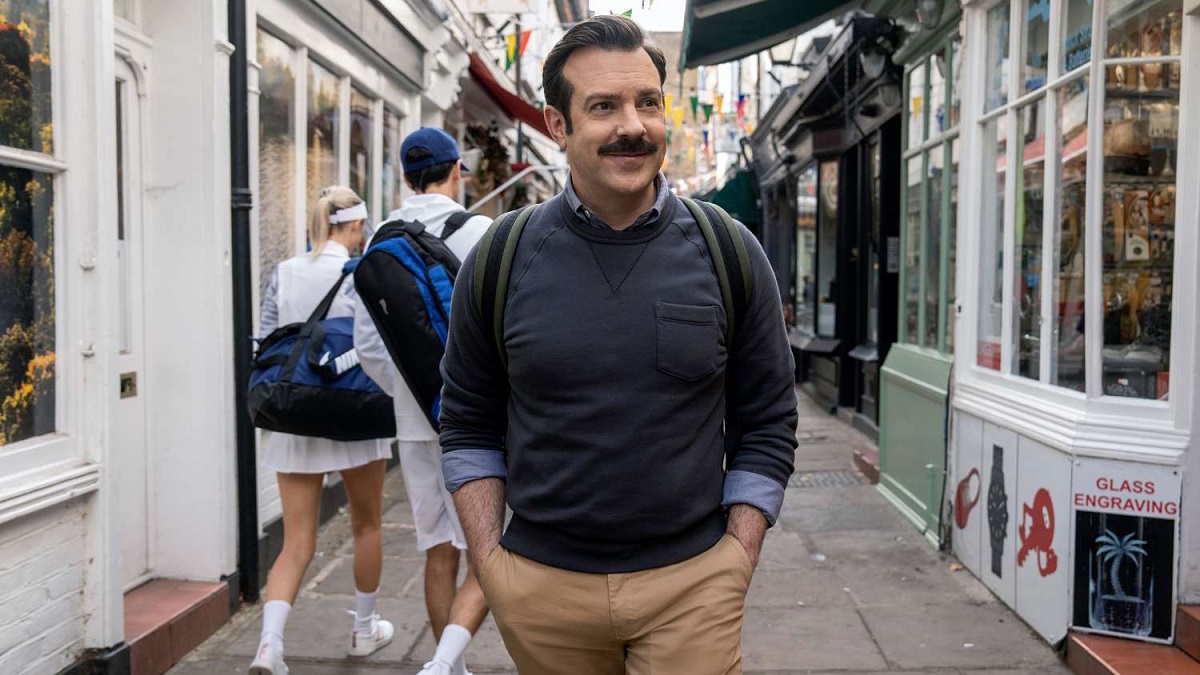

The third and final season of Ted Lasso has been contentious among fans.
While the show’s viewer base seems almost universally in favor of the show’s finale, the episodes leading up to the big finish continue to drive disagreements, as viewers debate whether season three holds up to the show’s incredible first two seasons. The optimists among us — myself included — found plenty of worth in the first half of season three, and rarely felt as though the quality of the show actually dipped, but there’s no denying the tonal difference between the latest season and its predecessors.
And, as it turns out, this tonal shift might just have an easy explanation. One viewer shared an interesting theory to the official fan theories Reddit thread, arguing that the first half of the season sported a different mood and quality on purpose. They believe the shift so many viewers noticed, and heartily complained about online, was a careful, deliberate decision on the writers’ part, in order to make the audience feel the same sort of “funk” the team experienced through the season’s start.
As user FlashRx explains, “The season starts with the team missing something. They pick up Zava and put all their faith in him, instead of believing in themselves. Even the episodes where they’re winning with Zava felt different from prior seasons. Then he leaves and the team just falls apart.” The season seemingly stumbles in its first half, trying to find something good to fixate on, before it abruptly rights course in its latter half. As the theory goes on to explain, the negativity that runs rampant in the first half of season three was absent from seasons one and two, and was purposefully woven into season three in order to enhance the audience experience.
Then, in episode six, we experience an abrupt shift. The team’s loss at Man City leads to a curfew-less evening, and every member of the team gets exactly what they need from their late night. Rebecca gets a reminder of what she needs, and deserves, in love, Ted finally wraps his head around the strategy of soccer, Beard makes crazy, new connections, and the players have a wonderful, fun team-building evening. It brings the tone back to center and sets the course for the rest of the season.
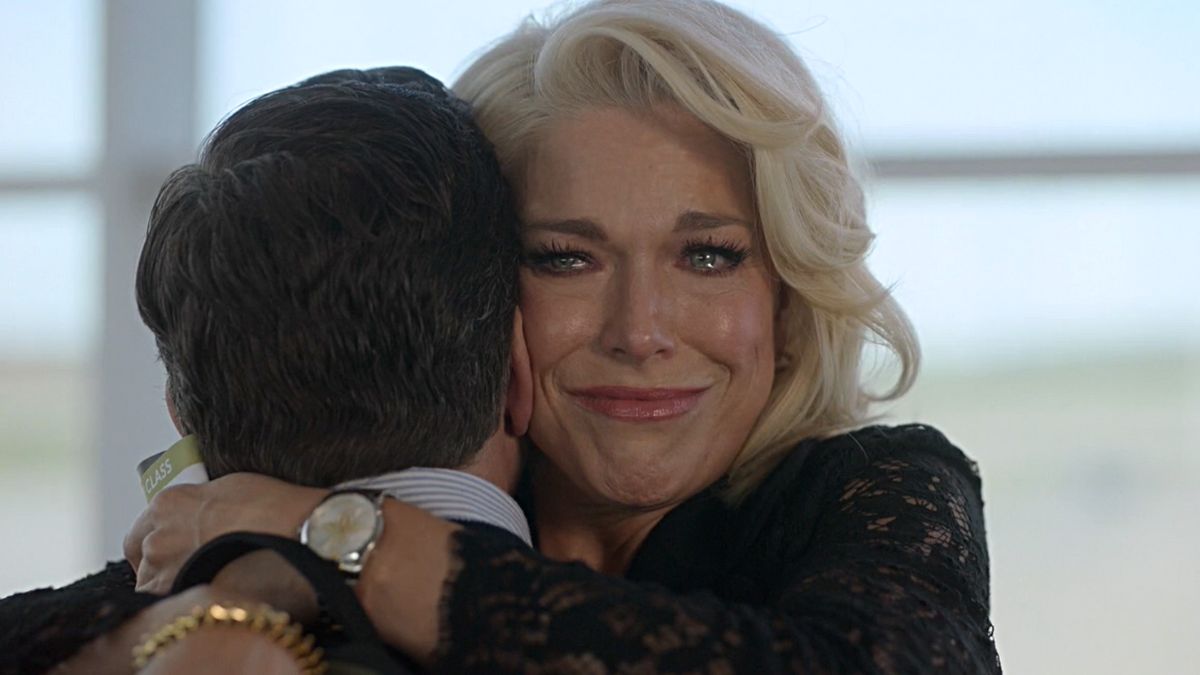
While not everyone is in agreement with this theory, it’s undeniably interesting. The most common complaints against season three simply claim that its quality isn’t up to seasons one and two, but the second comment on the thread seems to really dig into the “why” behind people’s displeasure, and it largely revolves around storylines that are seen as extraneous or unnecessary, and — spoiler alert — all revolve around lesser-seen subject matter. Colin and Trent’s journey, Keeley’s relationship with Jack, and Sam’s fight for his home country and culture all get a call-out in the comment, and all of these storylines fixate on something audiences are uncomfortable with, whether it be homosexuality, abuse, or immigration and refugees.
That’s where I believe the real culprit lies. While this commenter isn’t outwardly criticizing these elements, they still identify them as the season’s weaker points. And, while I personally enjoyed season three from start to finish, they’re certainly not alone in thinking this. I find the explanation of the writers seeking a way to better immerse the audience in the team’s struggle fitting, and I’d very much like to accept it as fact. Because the alternative is simply disappointing — it would mean that some of the audience base of this wonderful, heartfelt show simply doesn’t want to see stories about immigrants, gay people, and strife onscreen.
I’d far prefer to think that we were all simply duped by the stunning talent of the Ted Lasso writing team, and you won’t convince me otherwise.








Published: Jun 6, 2023 09:04 am