


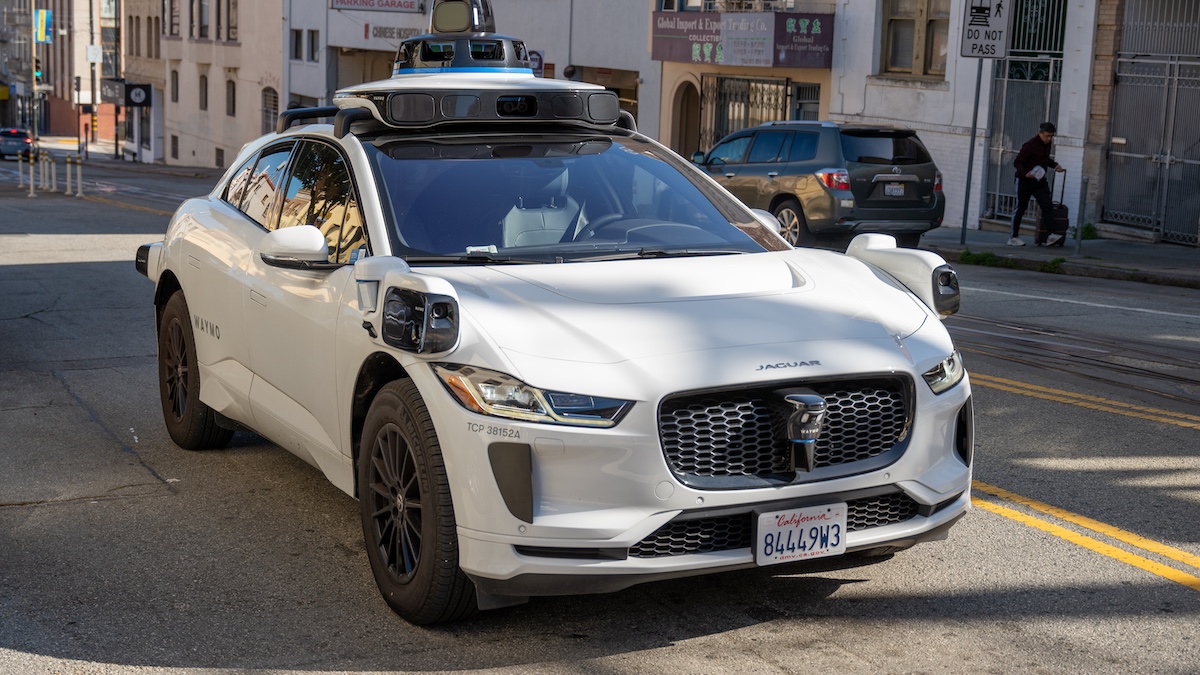

Waymo, the autonomous ride-hail service from Alphabet, originally developed as the Google self-driving car project, offers fully driverless robotaxi rides in cities such as Los Angeles, San Francisco, Phoenix, and Austin, with plans to expand to more U.S. metropolitan areas.
However, recent controversies have raised questions about their safety and reliability, from bizarre passenger encounters to troubling behavior around other road users. With these in mind, for now, we’ll stick with Uber.
Viral trunk incident raises safety concerns
A Los Angeles woman experienced a surreal moment on December 10, 2025, when she opened the trunk of a Waymo self-driving taxi she’d ordered for her daughter and found a confused stranger inside. The encounter, filmed by TikTok user Lucky Thurman, quickly went viral. In the video, the woman demands, “Why the f—k are you in the trunk?!” The man, disoriented, claims, “They just put me in here,” adding that the vehicle “won’t let me out.”
A follow-up clip shows Thurman calling Waymo support, where a representative apologizes, offers credit, and promises a replacement ride. The woman notes the trunk had reached 83 degrees. After she canceled the trip, LAPD officers arrived and detained the man.
It’s unclear how he entered the trunk, though Waymo taxis lack trunk-specific sensors. Waymo called the experience unacceptable.
School bus safety issues prompt recall
Mysterious trunk passengers aside, federal safety regulators opened an investigation in October after at least one Waymo vehicle drove around a stopped school bus with its red lights flashing and stop arm deployed, an apparent violation of traffic laws, according to the Los Angeles Times.
In response to multiple reports, including 19 school bus passing incidents in Texas, Waymo announced a voluntary software recall and updated systems to address how its robotaxis behave around stopped buses. Critics argue that the incidents highlight gaps in autonomous decision-making, despite software updates.
Robotaxis behaving like human cab drivers
Meanwhile, a recent Wall Street Journal report described a surprising shift in Waymo’s driving behavior: the robotaxis have begun behaving more like aggressive New York cab drivers, making brisk lane changes, assertive merges, and rapid accelerations to keep up with traffic. While some riders say the vehicles feel “more natural,” others told reporters the new style feels pushy and unpredictable.
Waymo says the changes reflect “efficiency tuning,” allowing AVs to navigate dense traffic with fewer unnecessary slowdowns. However, safety experts warn that attempting to mimic urban driving culture could compound risks, reduce predictability, and undermine public trust.
Riders in both L.A. and San Francisco reported moments when the robotaxi made sudden moves they considered out of character for autonomous systems, raising questions about how much “personality” self-driving cars should have.
Waymo rolls right into the line of fire
And another troubling incident occurred recently when a Waymo robotaxi rolled directly into an active Los Angeles police crime scene during a felony arrest. ABC7 obtained video showing the vehicle entering a partially secured intersection with a passenger still inside before officers gestured for it to leave. According to Waymo, the street hadn’t been fully blocked, and the vehicle left as soon as its systems recognized the hazard.
As Waymo expands across American cities, each new incident deepens public unease about how autonomous vehicles navigate the messy, unpredictable realities of urban life. The technology may promise a safer future, but today’s headlines still point to a system learning on the job.







Published: Dec 13, 2025 12:46 pm