


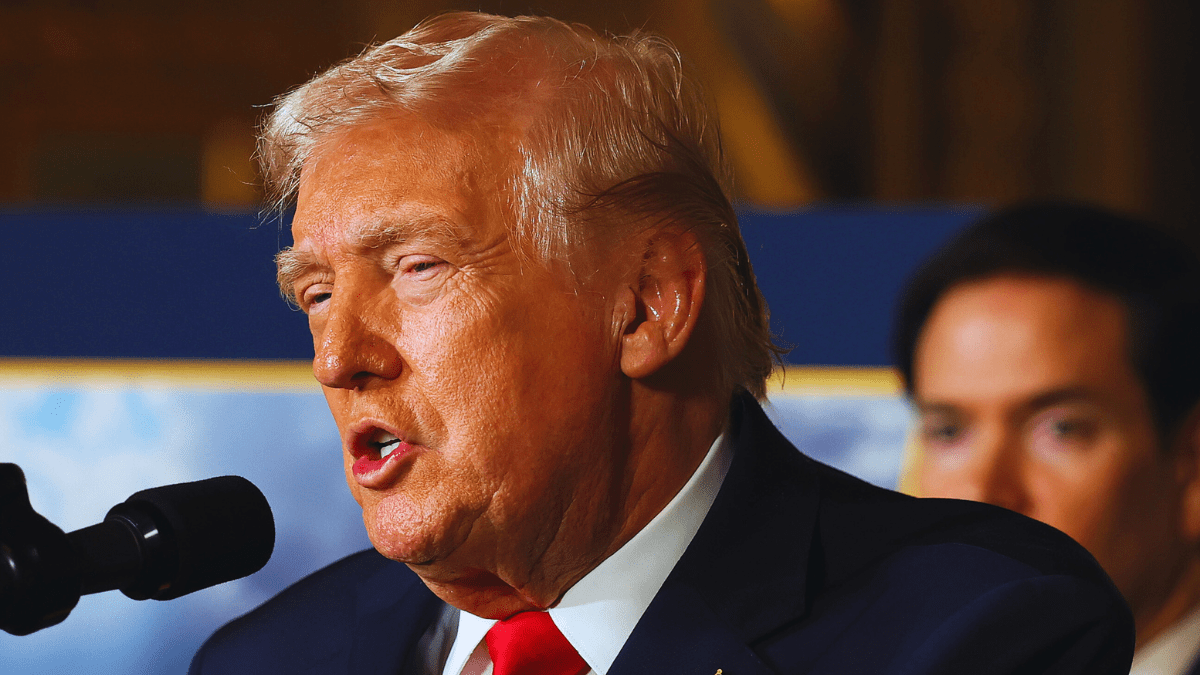

A new order by the Donald Trump administration went into effect Jan. 1, 2026, banning adoption visas from 39 countries.
According to Newsweek, from Thursday morning, adoption-specific visas IR-3, IR-4, IH-3, and IH-4 can no longer be issued from the countries included in Trump’s travel ban list. The countries currently on the list include Venezuela, Turkmenistan, Togo, Sierra Leone, Laos, Cuba, Burundi, Yemen, Sudan, Somalia, Libya, Iran, Haiti, Eritrea, and Equatorial Guinea. The administration is still adding countries to the list, with a firm focus on which nations Trump considers “third world.”
These new rules will also introduce restrictions for individuals from these nations who are applying for green cards or other immigration benefits. Despite all he has been saying about Somalia in the aftermath of the Minnesota daycare controversy, these new rules will not apply to a majority of them, as they do not apply to individuals who have already been granted legal permanent residency.
Trump explained his reasoning by claiming the move will help his administration safeguard Americans and preserve culture. The president said, “The United States must exercise extreme vigilance during the visa-issuance and immigration processes to identify, prior to their admission or entry into the United States, foreign nationals who intend to harm Americans or our national interests. The United States Government must ensure that admitted aliens do not intend to threaten its citizens; undermine or destabilize its culture, government, institutions, or founding principles; or advocate for, aid, or support designated foreign terrorists or other threats to our national security.”
Former U.S. immigration official Rick Murray, however, had reservations about the new order. Murray warned that the Trump administration appears to be singling out people based on their nationality and the colour of their skin, noting that this is “unAmerican.” Murray said, “One of the things that I find most problematic is that it appears to be Muslim and African countries that are bearing the brunt of these high-risk country designations.”
That being said, the State Department, in conjunction with the Department of Homeland Security, noted that there may be exceptions to this new order. The condition being that if the administration deems granting a visa to be in the national interest, then it will proceed. But it becomes rather complex in the case of adoption in particular, because children under the age of 18 are typically not old enough to have demonstrated skills that could later be considered beneficial to the nation.
Originally, Trump’s proclamation of a travel ban from countries he considers a threat to national security did not specify which visas were affected. Family-based visas remained an exception. The new rules have changed that, and now the only exception is the aforementioned discretion of the State Department and the Department of Homeland Security.
On the State Department website, encouragement for intercountry adoption still exists. The government agency refers to intercountry adoption as one of its highest priorities. The agency lauds the ambition of giving children a stable home, something admirable. Well, from now on, that will depend on where the child is from.





Published: Jan 3, 2026 09:39 am