


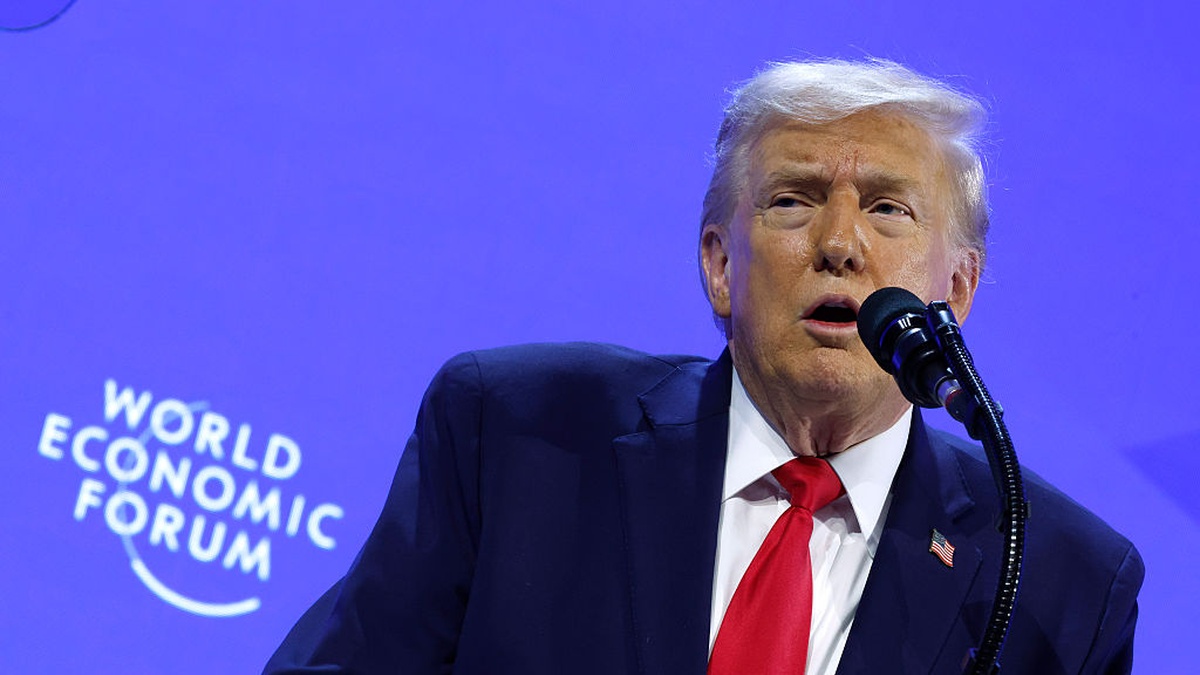

President Donald Trump recently said his administration has successfully managed rising costs. He claimed that grocery prices are “starting to go rapidly down.” However, government data released just hours before he made that statement showed something completely different. The data revealed the largest monthly jump in food prices since 2022.
According to ABC News, the U.S. Bureau of Labor Statistics report showed that overall price increases are around 2.7 percent. This is below the 3 percent rate recorded when the president took office in January. However, that figure still exceeds the Federal Reserve’s target of 2 percent. The cost of filling your shopping cart continues to be a major problem. Grocery prices climbed 2.4 percent over the year ending in December.
Prices for some household staples are soaring. Coffee prices jumped nearly 20 percent in December compared to a year earlier. Ground beef prices climbed 15.5 percent, and beef steaks saw a 17.8 percent increase over the same period. Naomi Blohm, a senior market adviser for Total Farm Marketing, said “Prices at the grocery store continue to be high. We’re all feeling it.”
Multiple factors continue to drive grocery prices higher despite claims of control
Speaking at the Detroit Economic Club, President Trump said he had “defeated” inflation. He blamed earlier rapid price increases on his predecessor. “Joe Biden gave us a colossal stagflation catastrophe but my administration rapidly and very decisively ended that,” President Trump said last Tuesday. The president has been painting bold visions for America’s future that don’t always align with economic realities.
Analysts point to several market factors that the administration can’t directly control. Bad weather is causing supply shortages for raw goods. Consumer demand for items like beef and coffee continues to surge. David Ortega, a food economist at Michigan State University, explained that current beef prices trace back to a major drought in 2022.
That drought made cattle feed incredibly expensive. Ranchers had to sell off more animals than usual, including cattle needed to produce future supply. Years later, cattle herds remain well below previous levels. Consumer demand for beef hasn’t slowed down.
Blohm noted that demand “continues to be strong.” This huge gap between what consumers want and what farmers can supply is driving up the cost of nearly every beef product. Coffee and cocoa beans face similar shortages. Some former supporters are now questioning whether they made the right choice.
The administration’s policy decisions have also played a role in pushing costs higher. The 50 percent tariffs on steel and aluminum have made packaging materials much more expensive for manufacturers. Government data on wholesale prices shows that the price of steel cans has jumped 16 percent over the past year. Jason Miller, a professor of supply chain management at Michigan State University, explained “Manufacturers are paying more for their packaging material. Prices are going up.”








Published: Jan 21, 2026 02:08 pm