


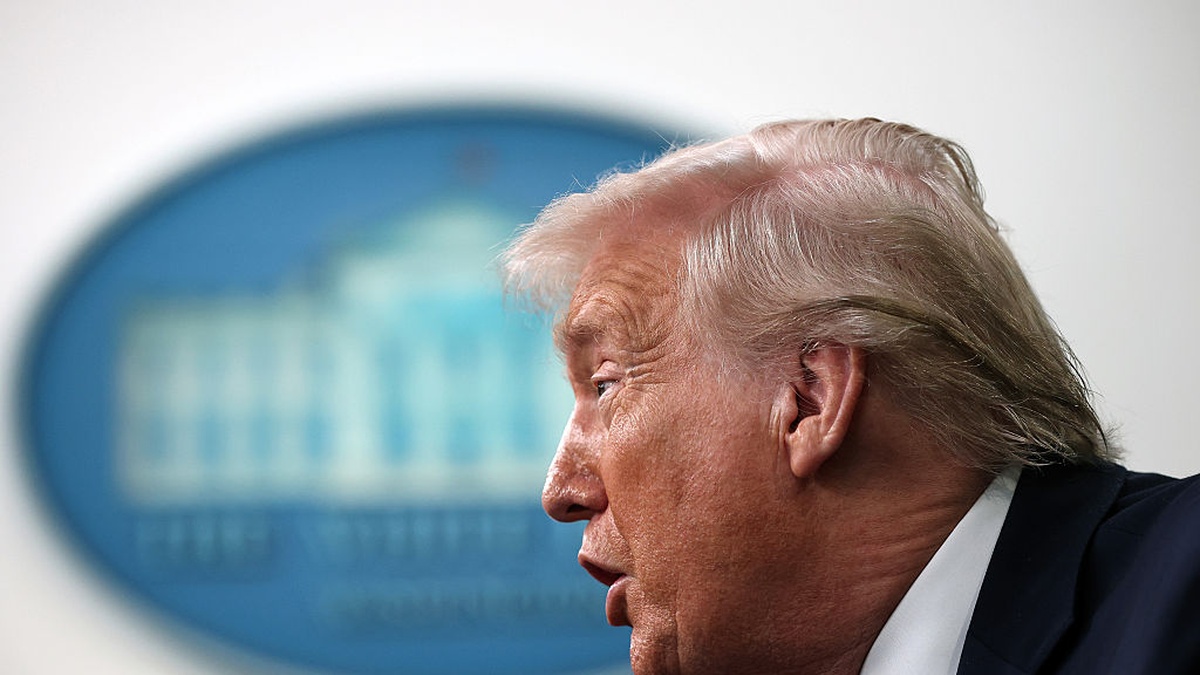

The Donald Trump administration has set a goal to achieve regime change in Cuba before the end of the year. This marks a major new focus on the island nation. US officials have gained confidence following a recent foreign policy success.
According to the Wall Street Journal, officials familiar with the planning feel emboldened for two key reasons. First, the US military successfully captured and removed Venezuelan President Nicolas Maduro on January 3. That operation worked largely by flipping someone within Maduro’s inner circle. Second, US officials now believe Cuba’s economy is close to collapse without Maduro guaranteeing oil imports.
Cuba has relied on Venezuelan oil for decades, and without it, the situation is severe. US intelligence analysts point to frequent blackouts, chronic shortages of basic goods, and widespread medicine scarcity across the island. Nearly 90 percent of the Cuban population is living below the poverty line. Economists predict that Cuba could run out of oil within just a few weeks.
The strategy focuses on flipping regime insiders rather than military invasion
There is no concrete plan for a full military overthrow of the communist government, which took power when Fidel Castro took over in 1959. Instead, the current focus is on finding members of the Cuban regime who might be sympathetic to American interests. The hope is that they can make a deal or help the US, just like what happened in the Venezuela operation.
The US is also running an intense economic pressure campaign, actively working to cut off oil imports from Venezuela. This makes the continued seizing of Venezuelan-tied oil tankers appear to have a dual purpose: punishing Venezuela for nationalizing its oil fields and choking Cuba’s economy at the same time. This aggressive foreign policy approach mirrors Trump’s military threats over Greenland.
This approach has sparked serious debate within the administration. Some officials, including Florida-based Cuban exiles and allies of President Trump, are pushing for an aggressive approach to immediately end nearly 70 years of Communist rule. However, others point out the disastrous history of trying to weaken the Castro government, like the failed Bay of Pigs invasion and the trade embargo that has been in place since 1962.
These cautious officials also argue that Cuba is different from Venezuela. While Venezuela had an active anti-Maduro faction, protests, and rigged elections, Cuba is a single-party state that does not allow political opposition. The regime violently suppressed major protests in 1994 and again across the island in 2021. Replicating the Venezuela playbook could lead to a humanitarian crisis.
For President Trump, ending the long reign of the Castros would be a major legacy achievement. A US official who worked on Cuba policy in his first term noted that successful regime change would give President Trump a significant foreign policy win. Jeremy Lewin, the State Department’s acting undersecretary for foreign assistance, recently stated that Cuba “has to make a choice to step down or to better provide for its people.”
President Trump himself publicly warned the Cuban regime on January 11, suggesting that after Maduro’s capture, the flow of Venezuelan oil and money would stop. “I strongly suggest they make a deal, BEFORE IT IS TOO LATE,” he wrote.
Despite the pressure, current Cuban leader Miguel Díaz-Canel recently stated, “There is no surrender or capitulation possible nor any kind of understanding based on coercion or intimidation.” The administration’s hardline stance extends beyond Cuba, as Trump recently withdrew from multiple U.N. agencies.





Published: Jan 22, 2026 02:00 pm