


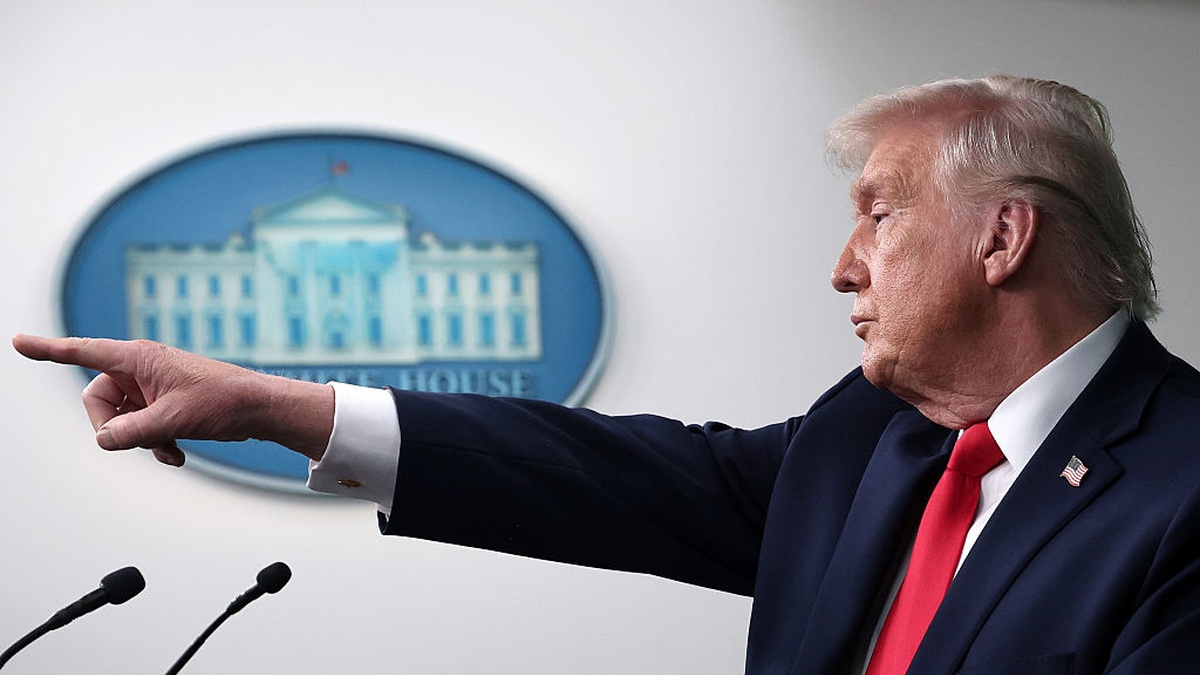

President Donald Trump recently said he reached a “framework” or “concept of a deal” with European leaders about Greenland. However, political commentator Maggie Haberman suggested this agreement might not be new at all. She pointed out that the arrangement appears to be something that already exists between the U.S., Denmark, and Greenland.
If this is true, the situation could be embarrassing for the administration. Trump made his announcement after speaking at the World Economic Forum in Davos. This came after weeks of demanding that Denmark hand over the territory, citing “national security” as the reason the U.S. needs “right, title, and ownership” of the island.
Conservative commentators praised the announcement as a major diplomatic win. However, according to Mediaite, Haberman noted the lack of details about what was actually agreed upon. The U.S. already has a long relationship with Greenland, which is an autonomous territory of Denmark.
The announced deal may simply reflect existing agreements
A treaty from 1951 already allows the U.S. to expand its military presence on the island, where it currently maintains a base. When asked if Trump secured anything the U.S. didn’t already have, Haberman said they didn’t know because the president didn’t provide those details.
Based on the limited information about this new framework, it seems to mirror what already exists. “As of now, based on what they’re talking about, it looks as if they’re talking about something that is already in existence,” Haberman stated. Trump’s fixation on the territory has drawn international attention, with even Russia reiterating Greenland belongs to Denmark.
The U.S. used to have a much larger military presence in Greenland, but it was reduced after the Cold War ended. This makes the demand for ownership seem unnecessary if the U.S. already has the legal right to increase military operations when needed. The controversy has prompted responses from other nations, including the UK’s symbolic military gesture that angered Trump.
During his Davos speech, Trump also criticized NATO. He questioned whether the alliance would actually defend the U.S., which is a serious claim to make on the world stage. Haberman pushed back on this, pointing out that NATO’s collective defense provision, Article 5, has only been invoked once in history. That was after the September 11 attacks to defend the U.S.
“Article 5 was invoked once, and it was after 9/11,” she said, adding that it’s surprising someone from New York wouldn’t remember that moment. Trump’s approach shows he views international alliances in “transactional terms,” and European leaders remain alarmed by his rhetoric.








Published: Jan 22, 2026 01:53 pm