


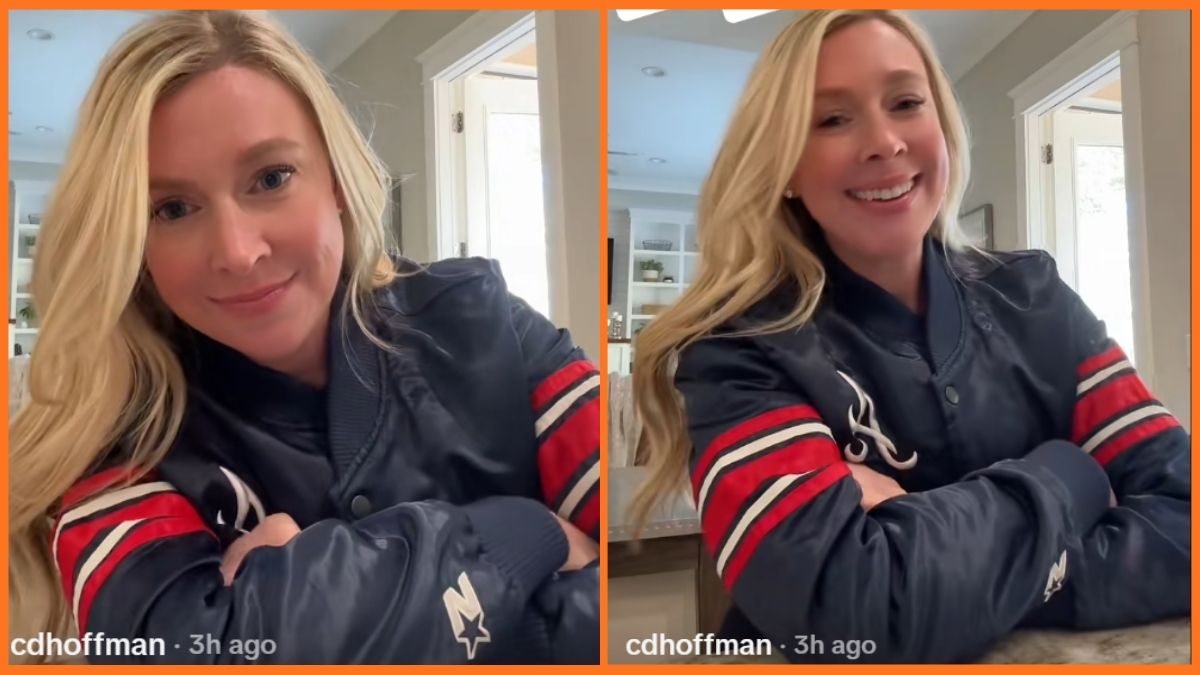

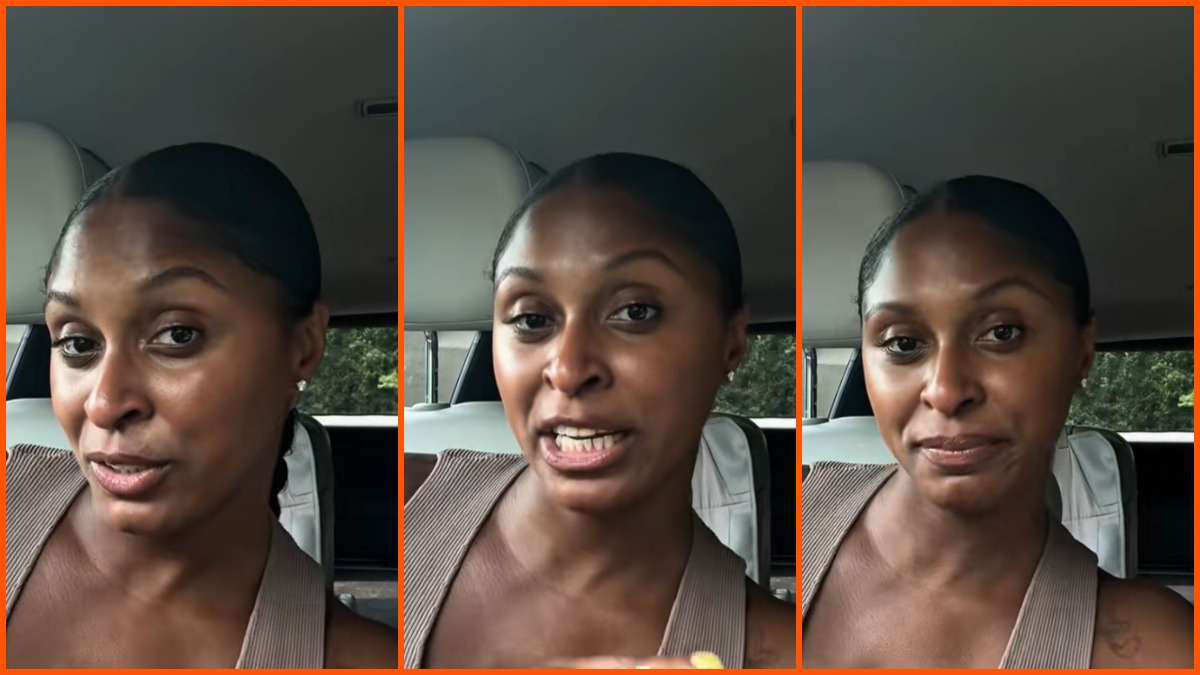
A Florida woman claims her car dealership changed the window sticker on her new Cadillac Escalade after she asked for the original document multiple times. Chelsea Hoffman, who lives in the Pensacola area, paid over $100,000 for the luxury SUV in late 2025. She has been sharing her problems with the dealer through a series of viral TikTok videos.
According to Motor1, Hoffman says the vehicle came with engine problems that got worse because of the altered sales paperwork. She believes this raises questions about whether her expensive purchase was legitimate. The issues started when the SUV arrived without the required documents.
When Hoffman picked up the brand-new vehicle, the window sticker was missing. Instead, there was only a transport sticker on the car. “I have requested a copy of the original sticker from the GM directly at least seven times,” she said in a video that received hundreds of thousands of views on TikTok. “Not only have they not provided it, but I have confirmation from the manufacturer that they had the window sticker modified.”
The window sticker is a legally required document that protects car buyers
The window sticker is not just a piece of paper. Under federal law, specifically the Automobile Information Disclosure Act of 1958, every new car sold in the United States must have a Monroney window sticker. This sticker is important because it shows the vehicle’s price, standard features, options, and shipping charges. It serves as proof of how the car was built and priced at the factory.
Finding a new luxury vehicle without this sticker is very unusual, especially since Hoffman’s Escalade only had a transport sticker marked “not for sale.” The main problem was with the wheels. The paper sticker shown during the sale listed specific wheels, but those wheels were not on the SUV she received. On a vehicle this expensive, wheels can cost tens of thousands of dollars. Unfortunately, buying a used car with hidden problems is more common than most people realize.
The paperwork issues were not Hoffman’s only problem. Within a few weeks of buying the Cadillac, she started having serious engine problems. The vehicle needed multiple trips to the dealer and spent long periods waiting for repairs. These mechanical issues, along with the documentation problems, led her to request a manufacturer buyback under Florida’s lemon law.
Florida’s lemon law covers vehicles with major defects that cannot be fixed after several attempts within a certain time period. Hoffman escalated her case through the BBB Auto Line arbitration program. While her first buyback request was denied, she eventually reached an agreement. GM agreed to buy back the vehicle, though Hoffman has raised concerns about the settlement terms. Dealers sometimes engage in questionable practices, and buyers need to stay alert when putting money down on a vehicle.
Hoffman’s experience offers an important lesson for new car buyers. Some people suggested she run a VIN search to find the original sticker, but consumer advocates say a VIN build sheet is not the same as the federally required Monroney label.
While dealers can request replacement labels, changing equipment descriptions after the sale raises serious concerns. To protect yourself, always photograph the window sticker at delivery, keep all sales documents, and make sure the listed options match the actual vehicle before you complete the purchase.

Published: Jan 23, 2026 12:52 pm