




A viral video on TikTok shows a mechanic saying he turned a car getting 10 miles per gallon into a 40 mpg vehicle using a quick exhaust fix. The video has gotten a lot of attention, but state inspectors and experienced mechanics say there are two big problems. The part does not actually fix anything, and putting it on a street car is completely illegal.
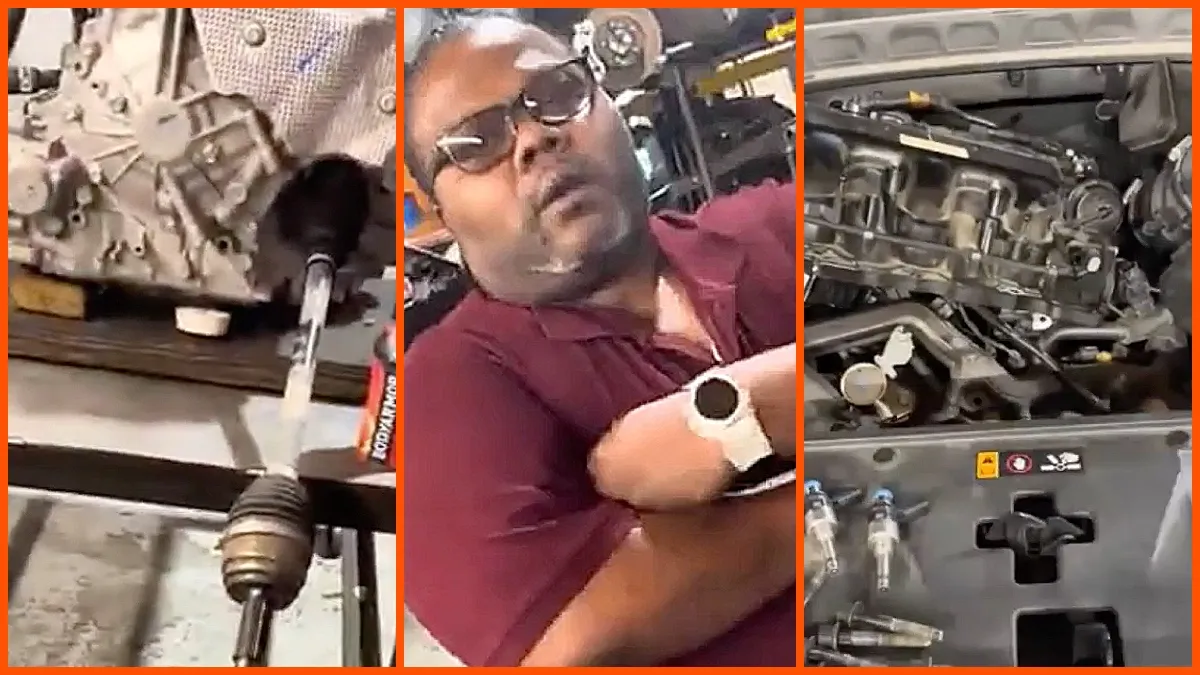
According to Motor1, the video, shared by creator Yuan on TikTok, shows what looks like a simple fix for a clogged catalytic converter. The mechanic says that high fuel use usually comes from a badly clogged cat or a broken O2 sensor. He tells viewers to never use carbon deposit cleaner for the converter and says they should screw a small filter into the part instead.
The mechanic claims this quick fix only takes one minute and restores fuel efficiency. “With this filter, your sensor will work properly, and your car’s fuel efficiency will improve,” the narrator says. He adds that after installing it, they were “getting 40 mpg.”
This device tricks your car’s computer without fixing the real problem
Getting four times better gas mileage with a tiny screw-in part sounds great for anyone with a car that runs poorly. But experts say the 40 mpg claim needs serious questioning. What the video calls a “filter” is actually an oxygen sensor spacer. This device sits between the exhaust flow and the downstream oxygen sensor, creating a small pocket of exhaust gas.
It works by fooling the engine control unit. Instead of reading the full flow of dirty exhaust, the sensor reads a weaker or delayed sample. This makes emission readings look normal even though the real mechanical problem stays completely unfixed. Since modern cars calculate fuel economy based on these wrong sensor readings, your dashboard might show great mileage, but you are not actually using less fuel in the real world.
Mechanics often recommend tracking miles driven against gallons pumped to check if a fuel gain is real. When sensor spacers are used, the actual math often does not match what the car reports. In other words, the car’s display is lying to you.
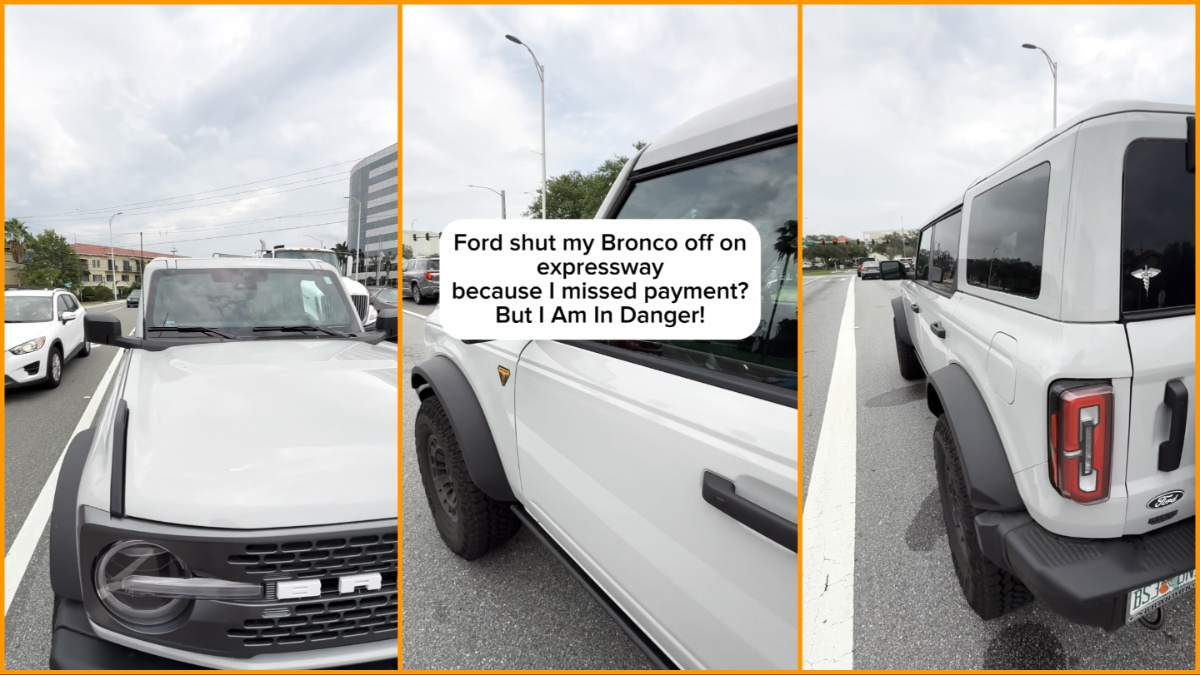
Experienced mechanics quickly warned that while this spacer might turn off warning lights, it does nothing to fix proper exhaust flow. Modern cars rely heavily on oxygen sensors to adjust air-fuel ratios and confirm the catalytic converter is working. If the converter is truly blocked, your engine still cannot breathe, which causes reduced performance and possible long-term damage. Trust between car owners and repair shops is already fragile, as seen in cases where shops refuse to return vehicles to their owners.
Experts warn that changed sensor feedback can push air-fuel ratios out of the best range over time. This can cause engine wear, reduce performance, or even damage other emission parts. This makes your repair costs higher instead of avoiding them.
Under the federal Clean Air Act, tampering with or bypassing emission control devices is banned nationwide. This rule is enforced by the Environmental Protection Agency and applies even in states without regular emissions testing.
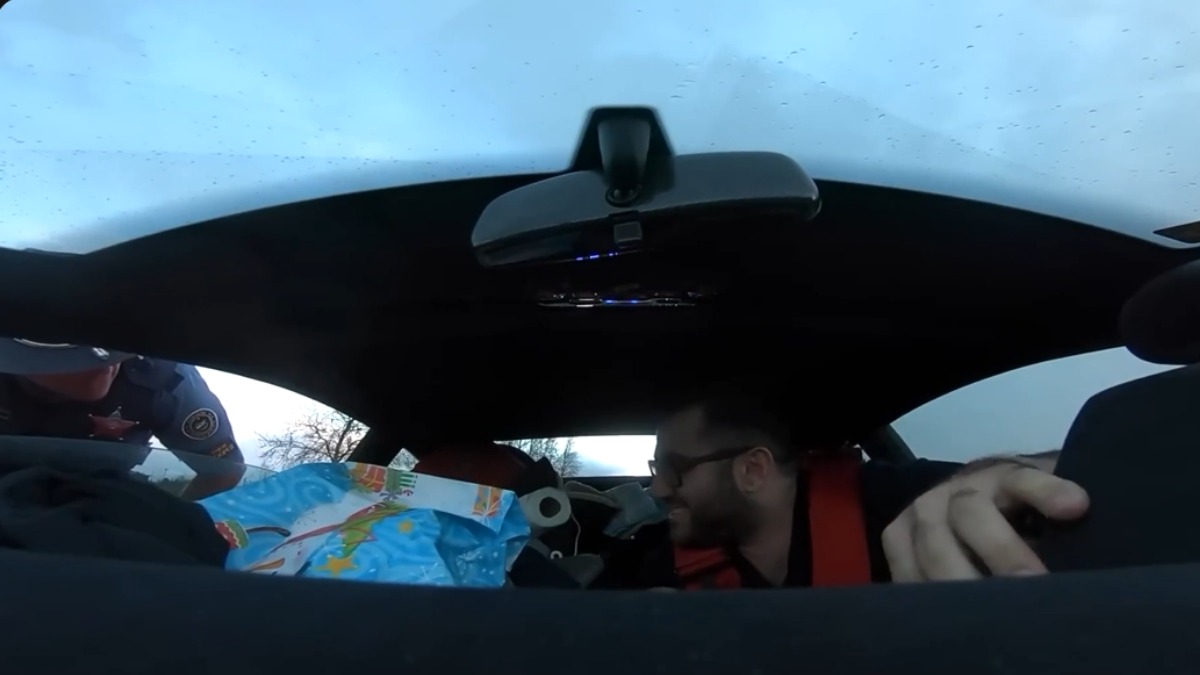
“Those are legal to buy, illegal to install,” one commenter who works as a state inspector warned. “I’m a state inspector and always look for these.” Payment disputes between customers and mechanics can also escalate quickly, like when unusual payment methods lead to police reports.






Published: Jan 27, 2026 01:17 pm