


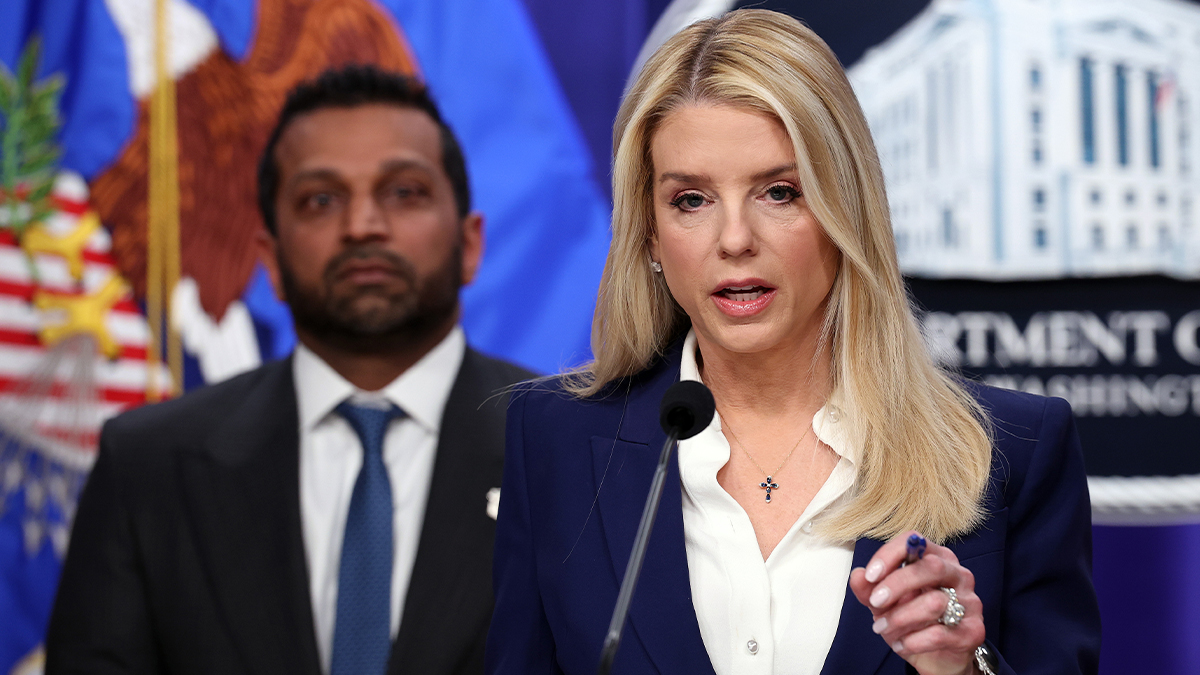

Attorney General Pam Bondi has admitted that the Justice Department completely messed up the handling of the massive Jeffrey Epstein files release, specifically when it came to protecting victims’ privacy. After weeks of fierce criticism over how the department is complying with the Epstein Files Transparency Act, it’s gratifying to see the DOJ take accountability, instead of just pulling files to edit President Trump’s name out in the last release.
According to Newsweek, the department has had to pull thousands of documents, about 9,500 files, from the public repository. Officials are taking them down so they can re-review and fix the redaction errors before posting them again. DOJ officials, including Bondi, Deputy Attorney General Todd Blanche, and U.S. Attorney Jay Clayton, addressed this issue in a letter sent to federal judges overseeing the cases.
This botched release has serious real-world consequences. Attorneys representing the victims have spoken out, saying the poor redactions exposed private information, compounded the trauma, and created actual risks for the survivors. A recent review found that at least 43 victims’ names were still visible in the files even after the initial January release.
This ongoing error just makes it clear that the victims weren’t their actual priority
The Epstein Files Transparency Act, signed into law by President Trump, required the Justice Department to release all unclassified records relevant to the investigation into Epstein. While the DOJ missed the initial deadline, they released half of the identified documents last month. It included over 3 million pages, 180,000 images, and 2,000 videos, detailing emails and records kept by Epstein that reference powerful individuals from the business, public, and tech spheres.
The DOJ lawyers acknowledged the screw-ups, but they tried to explain the immense difficulty of the task at hand. They wrote to the judges that the redaction failures were simply “inadvertently missed” despite the efforts of over 500 reviewers. They also noted that some failures stemmed from the individuals not being identified as victims in the first place.
They gave one example of how easily mistakes happen in such a large-scale project. The DOJ explained the issue, saying, “As just one example, in a document that consists of more than 80 pages of scanned material from a hard-copy file, victim identifying information was comprehensively redacted throughout, but the document has been flagged for further review because on one page, the first name of a victim appears.”
The Justice Department says it will continue reviewing and redacting documents that victims or their legal counsel flag. However, there is a larger problem that hasn’t been addressed, where potential perpetrators have been censored out instead. To fix this, the DOJ will be giving Congress access to the unredacted files this week.





Published: Feb 9, 2026 10:04 am