


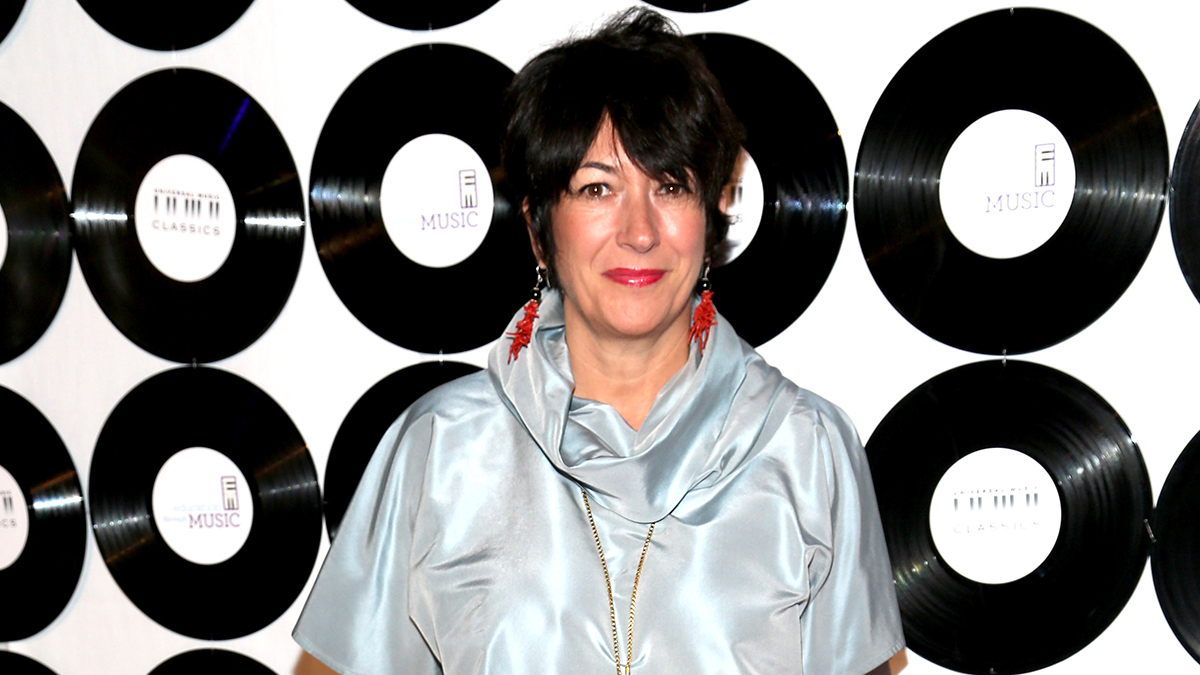

Emails and Bank statements from the newly released Epstein files provide fresh insight into how Ghislaine Maxwell kept her substantial fortune intact just months after JPMorgan Chase decided to cut ties with her longtime associate, Jeffrey Epstein. The documents reveal that Swiss banking behemoth UBS stepped up to manage Maxwell’s finances, helping her maintain control over as much as $19 million in the years leading up to her sex-trafficking conviction.
It’s pretty wild how quickly Maxwell was able to move her money right around the time JPMorgan decided they didn’t want Epstein’s business anymore. Back in 2011, while performing standard know-your-customer checks, JPMorgan advised internally that Maxwell should be flagged as a “High Risk Client” because of her links to Epstein, whose accounts were closed in 2013. Epstein had already pleaded guilty to soliciting prostitution from an underage girl in 2008.
Court documents show that, per bank policy, felons like Epstein were considered high risk and required additional approval. So, how did Maxwell jump ship? According to Reuters, in December 2013, David Wassong, then a partner at Soros Private Equity Partners, introduced Maxwell to UBS. Wassong wrote to the bank saying he had “cced one of my best friends named Ghislaine maxwell” and that she “is looking for a new wealth manager.”
Things moved incredibly fast from there
By February 14, 2014, an email was sent urging UBS to “expedite this transition from JPMorgan,” because Maxwell was leaving town for over a month and “she really needs to get this moved over / paperwork signed before her departure.” UBS representatives quickly reviewed the documents and followed up with questions as they processed the move.
UBS clearly rolled out the red carpet for her. The documents show the Swiss lender opened up both personal and business accounts, holding cash, shares, and even investments in hedge funds. They assigned her two relationship managers, giving her the kind of benefits reserved for serious high-net-worth clients. Right away, in February 2014, she had nearly $2 million in one of her new accounts.
Maxwell used these accounts for everything: her personal spending, her charity, the TerraMar Project, and various entities like Ellmax, Pot & Kettle, Max Foundation, and Max Hotel Services. The bank followed her instructions, including a 2016 request to send a $2.5 million payment to Scott Borgerson, whom she married that year. What’s truly shocking is that documents show continued support, even after Epstein’s July 2019 arrest.
The paper trail eventually caught up to her. In August 2019, the month after Epstein’s arrest, UBS received a Grand Jury Subpoena regarding Maxwell. She was convicted in 2021, a charge she is still fighting, to cut down the 20-year sentence for aiding sexual abuse. The documents have been providing us with a lot of new details, but it doesn’t tell us why institutions like UBS took on a client like Maxwell, despite due diligence.






Published: Feb 9, 2026 03:07 pm