


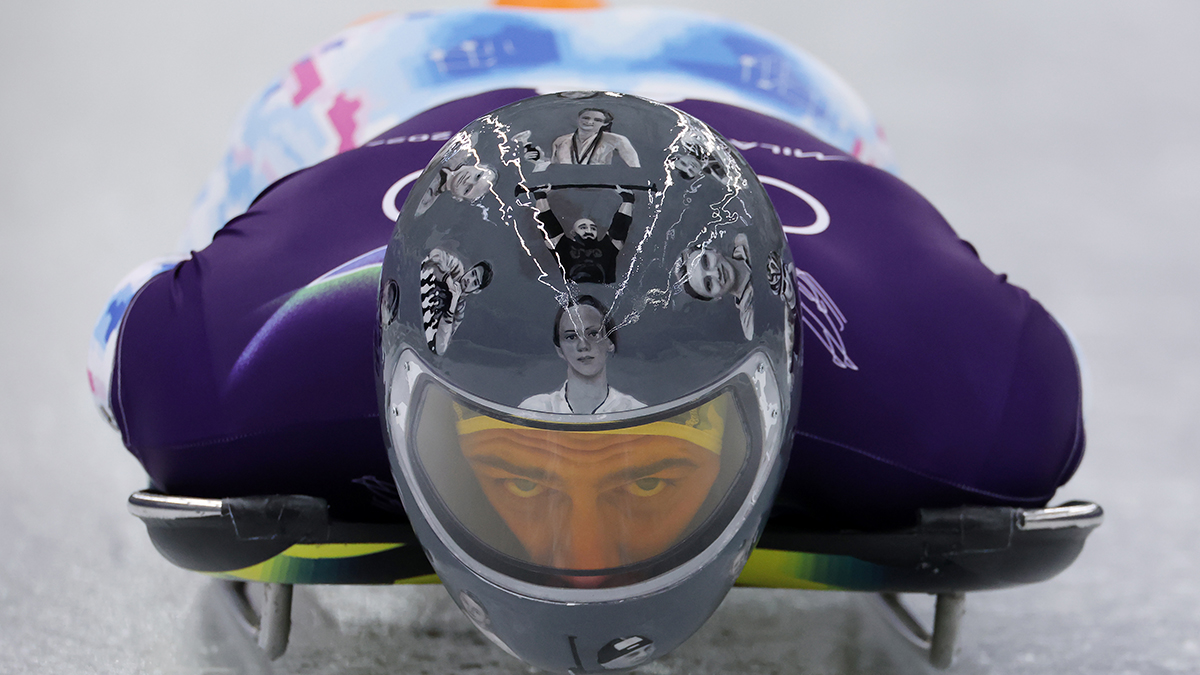

Wow, talk about a last-minute gut punch. Ukrainian skeleton pilot Vladyslav Heraskevych was officially banned from the Milano Cortina 2026 Winter Olympic Games just 45 minutes before his event was scheduled to begin. This shocking disqualification stems from the athlete’s decision to wear a custom helmet during the competition, which served as a tribute to more than 20 athletes and coaches who have tragically lost their lives during the war in his home country.
The International Olympic Committee, or IOC, and the International Bobsleigh and Skeleton Federation (IBSF) were quick to issue statements claiming the issue wasn’t the message itself, but where he chose to express it. The organizations insisted the helmet was simply “not compliant with the rules.” The IOC confirmed he wouldn’t be able to start, saying,”The decision followed his refusal to comply with the IOC’s Guidelines on Athlete Expression.”
This Olympics have already been marked with a lot of drama, from protests by locals to shocking confessions from athletes. This situation just adds to it, since according to to Newsweek, the governing bodies emphasized they were actually “very keen” for him to compete. Which makes it hard to believe they couldn’t find a respectful way to handle a tribute to fallen colleagues without issuing an outright ban.
Their statements read like a bureaucratic dodge
Apparently, the IOC had multiple exchanges and in-person meetings with the athlete in the hours leading up to the event, attempting to find a compromise. One of those final meetings was reportedly held with IOC President Kirsty Coventry herself. However, the organization stated that Heraskevych “did not consider any form of compromise.”
It’s definitely worth noting that the athlete was allowed to wear this commemorative helmet during training sessions. It was only when it came time for the televised, official competition that the IOC and IBSF demanded he switch to a different helmet. This suggests the issue truly was about the visibility and platform of the official event, which only reinforces Heraskevych’s frustration.
Heraskevych believes, deeply, that the organizations involved know he wasn’t actually violating any substantial rules. He went on to voice a sentiment many people are probably feeling right now, stating that the situation “really looks like discrimination.” He pointed out that: “Many athletes already were expressing themselves. … They didn’t face the same things. So, suddenly, just the Ukrainian athlete in this Olympic Games will be disqualified for the helmet.”
That’s a powerful point, and it’s hard to argue against the specificity of the events. Ultimately, the IOC proceeded with the ban and withdrew his accreditation for the Milano Cortina 2026 Games. The official Olympics website now lists Vladyslav Heraskevych with a “disqualified” designation, ending his Olympic run before it could even begin. It’s a truly disappointing end to what should have been a moment of athletic achievement and respectful remembrance.








Published: Feb 12, 2026 05:40 pm