


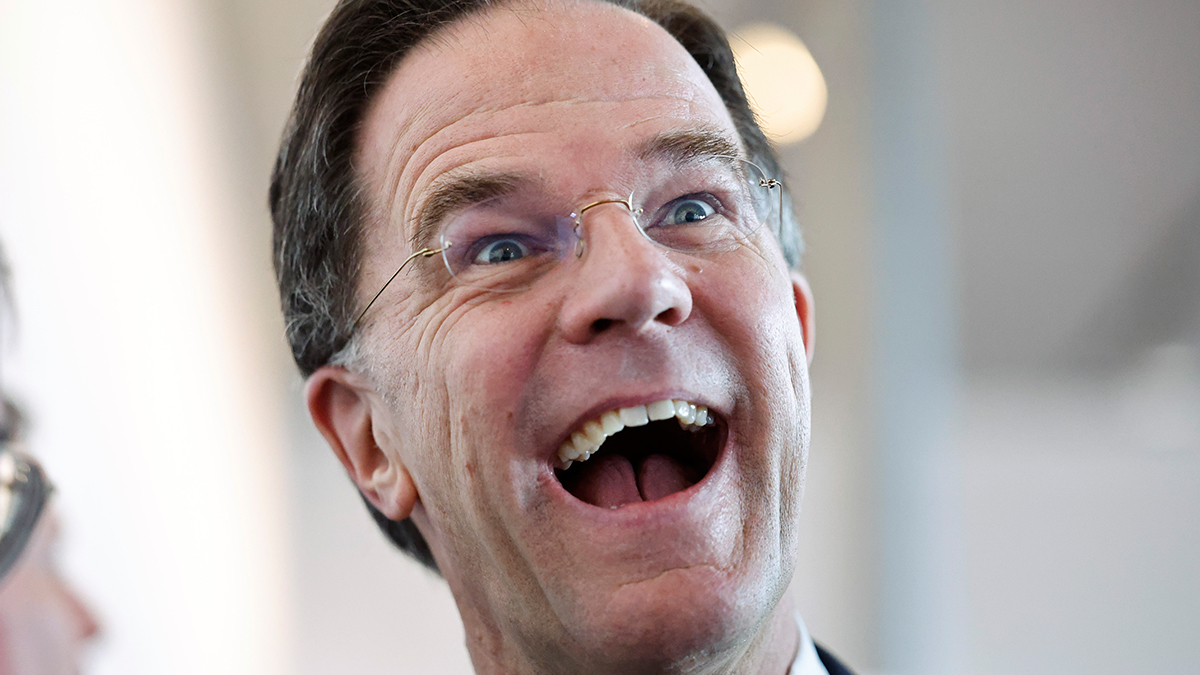

NATO chief Mark Rutte recently made a brutally honest assessment, arguing that European defense is basically “helpless” without the United States providing key military assets. His statement comes from a worrying reality: while Europe can produce the equipment, it still relies heavily on American intelligence, logistics, and command-and-control capabilities systems to coordinate all that firepower.
According to Politico, without those crucial elements, experts agree Europe has little hope of successfully deterring Russia. Detaching from the U.S. will be extraordinarily time-consuming and expensive. Some estimates suggest replacing the American contribution would cost at least $1 trillion over the next quarter-century, or perhaps even 10 percent of the continent’s collective GDP.
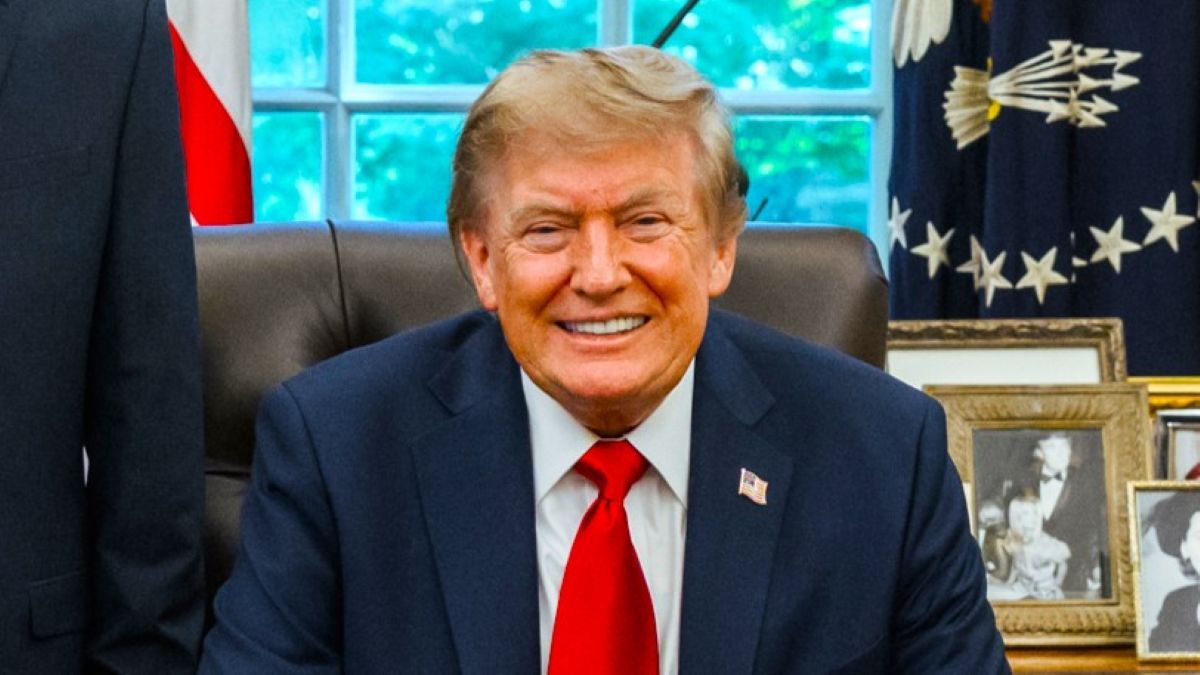
President Trump has consistently indicated that he expects Europe to take on more responsibility for its own defense. Vice President JD Vance backed him by using last year’s gathering in Munich to openly criticize European leaders. Defense Secretary Pete Hegseth also warned about a year ago that Europe can’t just assume America’s presence will last forever.
They announced their intentions and then followed it up by trying to claim Greenland
The White House has made its priorities clear through a policy known as the “Donroe Doctrine.” Policy chief Elbridge Colby recently emphasized that the United States is prioritizing the defense of the U.S. homeland and interests in the Western Hemisphere, as well as reinforcing deterrence in the Western Pacific. Colby was quick to clarify that this isn’t a retreat from Europe, but it means Europe must assume primary responsibility for its own conventional defense.
While politicians and diplomats have been nervous, senior military officers seem far less unnerved by the administration’s tough talk. Admiral Sir Keith Blount, Britain’s most senior military official in NATO, dismissed the idea of a sudden, dramatic withdrawal of American troops. He added that for Europe, this presents an “opportunity” to step up.
Europe is trying to fill those gaps. NATO members quickly pledged to increase their military spending, collectively agreeing last summer to spend 5 percent of each country’s GDP on defense. We’re also seeing shifts in command structure. European countries will soon lead all three of NATO’s commands responsible for planning military operations.
When it comes to technology, Europe is starting to develop alternatives for key American systems, specifically within surveillance and defense systems. However, as one expert noted, “The most difficult enabler to replace will be the intelligence and targeting capabilities that the United States provides.” This isn’t just about satellites and drones; it’s about fusing that data into clear, identifiable targets.
Europe has a bigger hurdle. As one former British security minister put it, “Europe’s problem is not that it lacks money. It is that it lacks coherence.” Since European defense efforts need unanimity, pro-Kremlin countries like Hungary can veto motions. However, it is not just Trump’s demand that is pushing Europe to step up; it is the president’s contrarianism around foreign policy that is making the US an unreliable ally.





Published: Feb 13, 2026 05:46 pm