



The line between digital romance and real-world dating just got blurrier, thanks to EVA AI, an Artificial Intelligence relationship app that recently launched what it calls the “world’s first” AI dating café in New York City. On February 13, EVA AI transformed a New York bar into a physical, candlelit saloon specifically designed for users to spend a romantic night out with their virtual companions.
This pop-up, dubbed EVA Café, invited people to sit at intimate tables, order drinks, and engage in conversation with their AI partners. The avatars would be displayed prominently on their phones across the table. It’s a fascinating attempt to combine the usually personal experience of AI companionship into a public, social setting that replicates a standard date.
According to Newsweek, the company deliberately scheduled the event for “Valentine’s Day Eve.” Inside, the venue was decked out like a carefully curated first-date spot: dim table lighting, brassy décor, leafy plants, and bistro-style seating. The only unusual accessory at each table was a smartphone stand positioned directly across from the user.
Of course, the table only seats one
This event is taking place as we are seeing a huge surge in AI companionship. Millions now use AI to flirt, confide, and form emotional bonds, even mourning with OpenAI’s announcement of the retirement of ChatGPT 4.0. In fact, AI interactions have become so real that a new AI social media has been making observers concerned about how realistic some discussions are.
The statistics about AI companionship are pretty wild, especially among younger demographics: nearly one in three men and one in four women under 30 say they have interacted with AI partners. A separate report noted that 72% of teenagers have used AI companions at least once, with 33% using them specifically for relationships and social interactions.
EVA AI said the café was designed to make AI dating feel not just possible, but completely normal. A spokesperson explained that the core mission was to “give our users a chance to actually go on a date with their AI companions, the same way real couples do.” When you sit at your table, you have a choice of pulling up a pre-existing companion or building a new one.
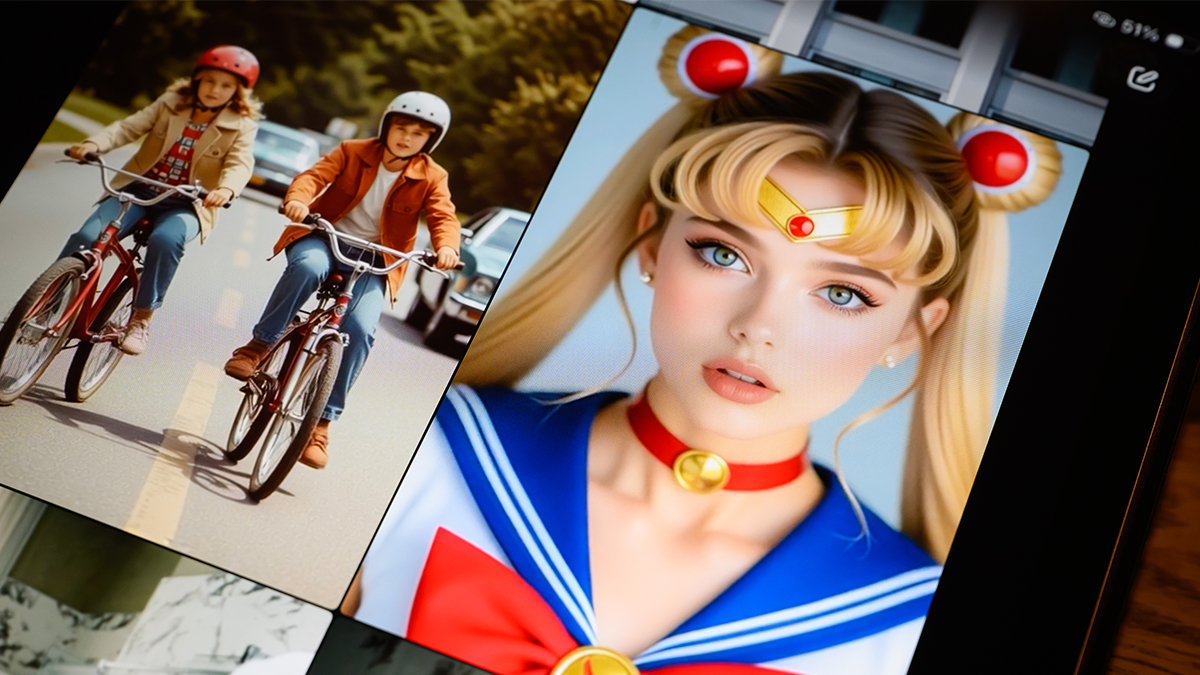
AI companions appear on screen as realistic male or female avatars. Like traditional dating profiles, each companion came with a short descriptor signaling their style, ranging from a “supportive thinker” to a “warm romantic” or the classic “girl next door.”
For many users, AI companions fill a vital need. Derrick Koon, who deals with PTSD, found that the technology offered him a feeling of safety with new relationships. Koon explained, “You can say and try things you normally wouldn’t feel comfortable with in real life.” He also added that AI helped him improve his social skills. Another user, a football coach, admitted that AI is keen to keep him company on work trips, since they offer a non-judgmental sense of comfort.





Published: Feb 16, 2026 06:34 am