



The world’s two biggest trade groups, the European Union and the Indo-Pacific CPTPP bloc, are exploring plans to form a large new economic alliance covering 1.5 billion people. The effort brings together nearly 40 nations and is aimed at countering President Trump’s tariffs and stabilising global supply chains.
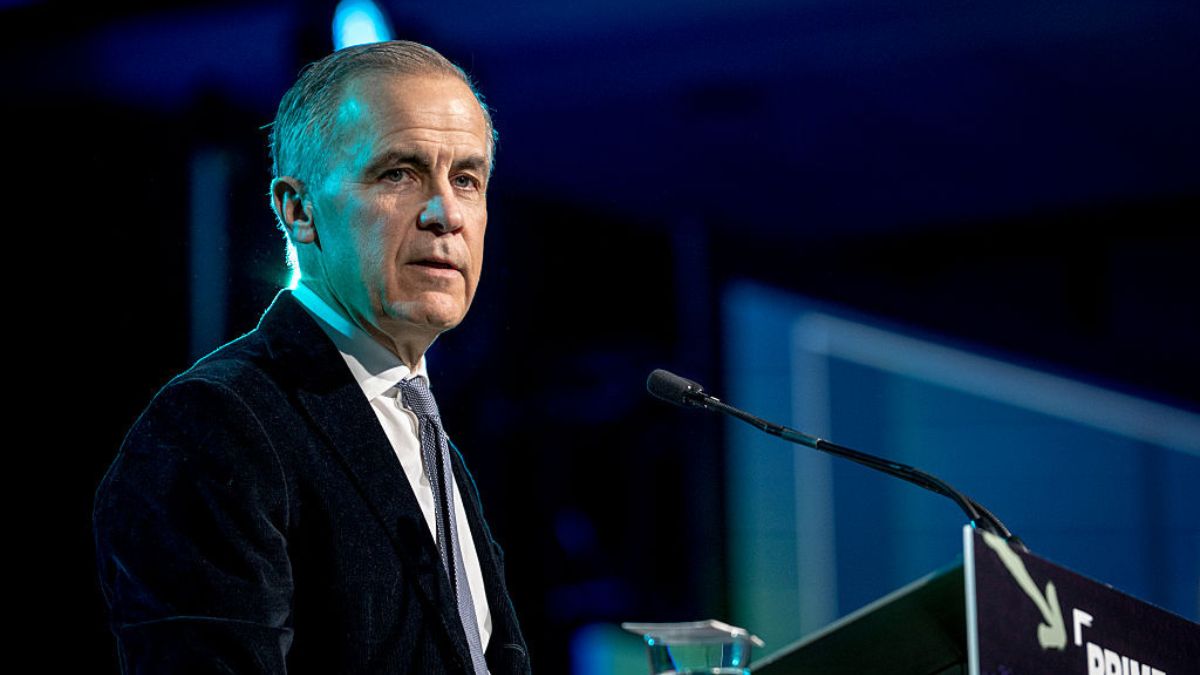
According to Politico, Canadian Prime Minister Mark Carney is the key driver behind this push. He has been leading these discussions, calling on “middle powers” to stand firm and fight back against what he calls “trade war coercion.”
Carney made his intentions clear at Davos, where he pushed for efforts “to build a bridge between the Trans-Pacific Partnership and the European Union, which would create a new trading bloc of 1.5 billion people.” His public call came just days after President Trump threatened to raise tariffs on Denmark’s European allies if the country did not agree to hand over Greenland.
A rules-of-origin agreement could be the key that unlocks this historic trade alliance
To move things forward, Carney recently sent his personal representative, John Hannaford, to Singapore to gather the views of regional leaders on the potential deal. Hannaford’s mission was to get a sense of how much appetite there is among partner nations for such an arrangement. A Canadian government official said progress is being made, noting, “We’ve had very fruitful discussions on it with other partners around the world.”
The main goal is to link the supply chains of member countries like Canada, Singapore, Japan, Vietnam, Malaysia, Mexico, and Australia with Europe. The two blocs agreed last November to combine their economic weight in response to the fragmentation of free trade following President Trump’s “Liberation Day” tariffs – part of a broader pattern of Trump unilaterally reshaping economic and political rules that has unsettled governments worldwide.
The deal centres on agreeing to “rules of origin,” which determine the economic nationality of a product. If agreed upon, it would allow manufacturers across both blocs to trade goods and their component parts more freely through a low-tariff process called cumulation, making supply chains more resilient.
Officials are, however, keeping expectations in check. A Japanese trade official said an agreement on rules of origin “would be an interesting topic to explore,” but warned that a “concrete outcome may not be expected in the short term.”
EU officials also acknowledge the deal falls within the “broad scope” of cooperation, but say they are focused on more immediate trade diversification efforts first. This cautious tone stands in contrast to Trump’s increasingly erratic conduct on social media, which has added to the sense of unpredictability driving these talks.
Business groups across Europe are growing louder in their support and are pushing Brussels to move ahead. Both the German Chamber of Commerce and Industry and the British Chambers of Commerce are backing the deal.
Klemens Kober, director of trade policy at the German Chamber, noted that the EU already has free trade agreements with many CPTPP members, including the U.K., Japan, and New Zealand, and said that cumulating origin between these different free trade areas “is incredibly useful for German companies.” He also expressed hope that early success could attract more countries, saying, “So the more the merrier.”






Published: Feb 17, 2026 01:23 pm