



European intelligence chiefs are sounding a pretty pessimistic note, saying it’s unlikely we’ll see an agreement to end Russia’s war in Ukraine this year. This outlook directly clashes with President Trump’s recent claims that United States-brokered talks have brought a deal “reasonably close.” The heads of five European spy agencies, who spoke anonymously, said Moscow isn’t seeking a peace agreement at all.
The European intelligence agencies paint a specific picture. “Russia is not seeking a peace agreement. They are seeking their strategic goals, and those have not changed,” one chief explained. According to Reuters, these goals reportedly include removing Ukrainian leader Volodymyr Zelenskyy and turning Ukraine into a “neutral” buffer against the West.
Another chief added that Russia doesn’t need or even want a quick peace, suggesting its economy isn’t on the brink of collapse despite what some might think. They have pointed out that Russia is using these talks with the U.S. as leverage to push for sanctions relief and some hefty business deals. One intelligence chief even called the latest discussions, which happened in Geneva, “negotiation theatre.”
Their thoughts reveal a glaring difference
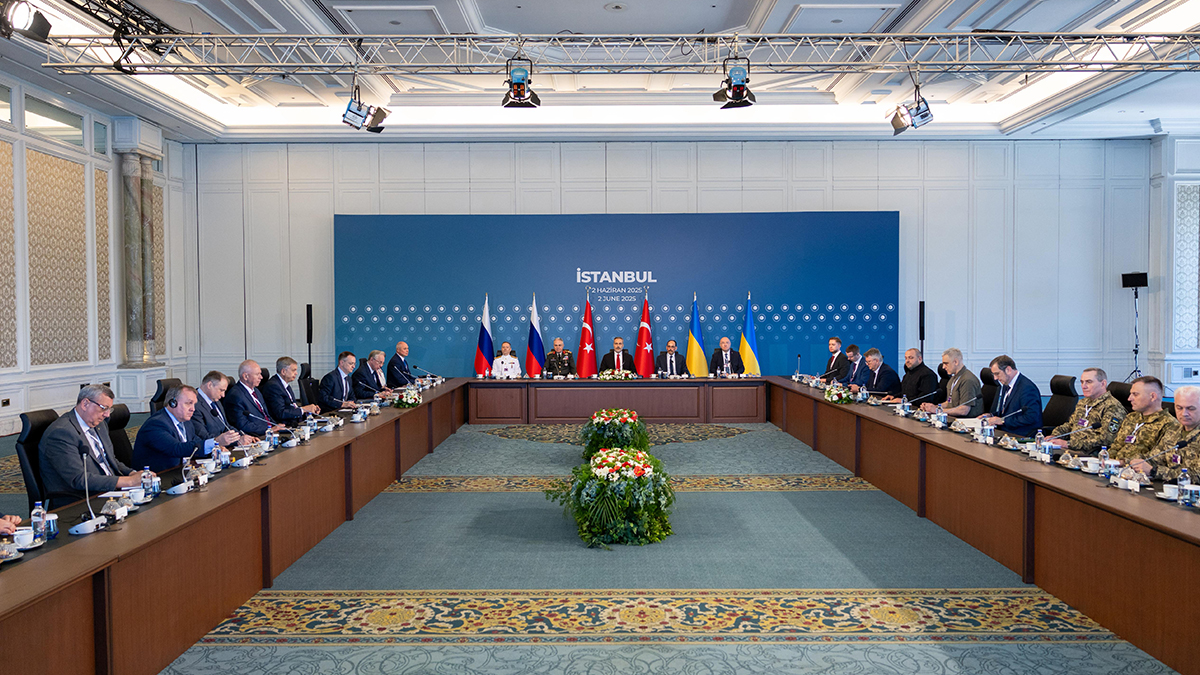
This situation puts a lot of pressure on the U.S., especially since the White House gave a June deadline for a peace agreement, ahead of the U.S. congressional mid-term elections in November. Ukrainian and Russian negotiators have had three U.S.-mediated meetings this year, with the latest round happening this week, but there hasn’t been any real breakthrough on key issues like territory.
Zelenskyy himself seemed pretty frustrated after the meetings, suggesting that the Russians were more interested in talking about the historical roots of the conflict than reaching an agreement. He even took to X on Thursday, writing, “I don’t need historical s— to end this war and move to diplomacy. Because it’s just a delay tactic.”
One of Russia’s main demands is for Kyiv to withdraw its forces from the remaining 20% of the eastern Donetsk region that Russia doesn’t control. Ukraine, naturally, refuses to do this. While obtaining the rest of Donetsk might satisfy Russia territorially, a second spy chief noted it wouldn’t fulfill their ultimate goal of overthrowing Zelenskiy’s pro-Western government.
Their concerns can be seen by Moscow’s attempts to split the talks into two distinct tracks. One focuses on the war. The second, however, focuses on bilateral deals with the U.S, especially a reported secret $12 trillion deal. There are also some concerns about the U.S. negotiating team. The U.S. side is led by Steve Witkoff, a real estate developer, and Jared Kushner, the president’s son-in-law. Neither are diplomats, but have wide-ranging business interests.
Despite these challenges and criticisms, White House spokeswoman Anna Kelly defended the administration’s efforts, stating, “President Trump and his team have done more than anyone to bring both sides together to stop the killing and deliver a peace deal.”









Published: Feb 20, 2026 10:16 am