


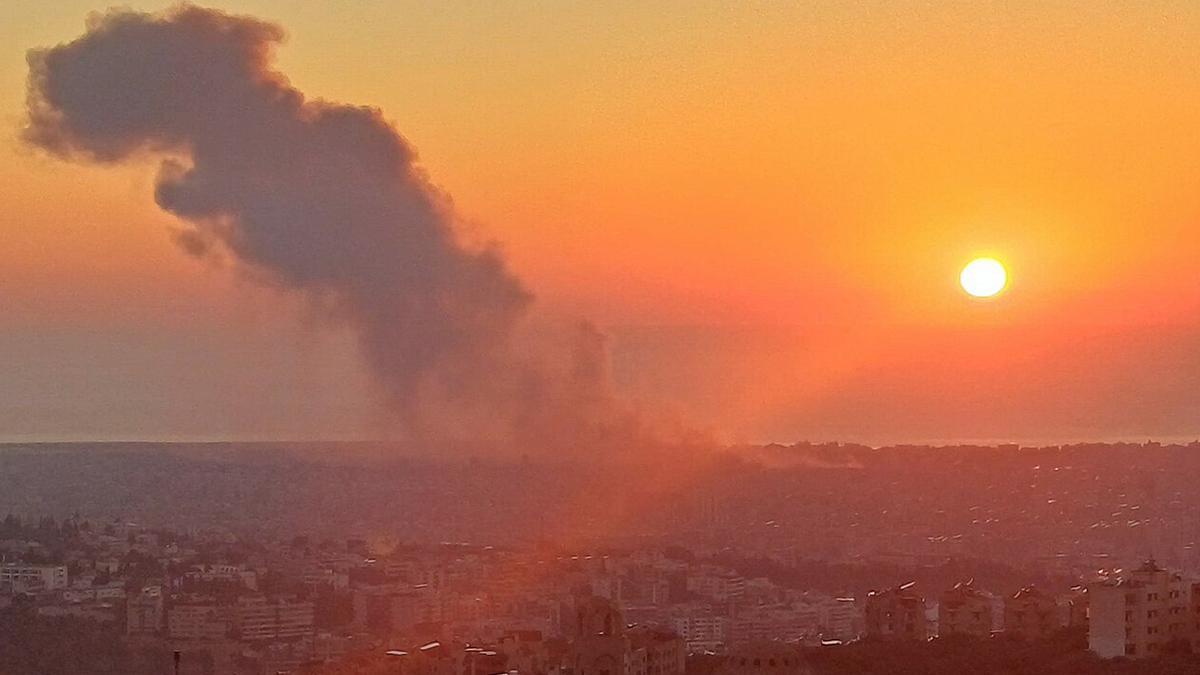

The U.S. strikes on Iran are leaving experts terrified they could trigger a wave of retaliatory attacks from Tehran’s various proxy groups across the Middle East. It could quickly escalate the conflict into a wider regional war, impacting American troops, allies, and civilian interests.
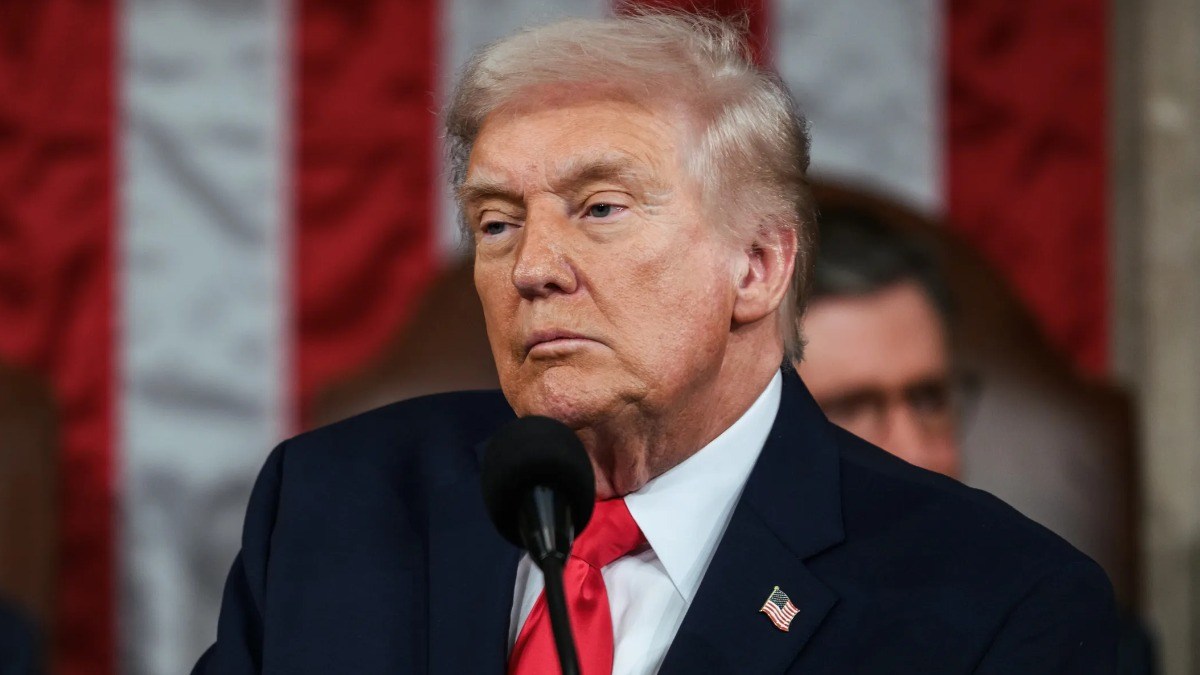
Donald Trump confirmed on Saturday afternoon that “Operation Epic Fury” has killed Iran’s Supreme Leader Ayatollah Ali Khamenei. The Trump administration launched its attacks after negotiations on nuclear enrichment failed. He stated that U.S. bombing will continue “uninterrupted throughout the week or, as long as necessary.”
The immediate fear is that groups like Hezbollah in Lebanon, the Houthis in Yemen, and various Shiite militias in Iraq could be activated to target U.S. service members, civilians, ships, embassies, and hotels throughout the region. We’re already seeing potential signs of this; countries like Saudi Arabia, Qatar, the United Arab Emirates, Bahrain, Jordan, and Kuwait, all of which host U.S. bases or forces, reportedly faced Iranian attacks.
The conflict is steadily creeping outward
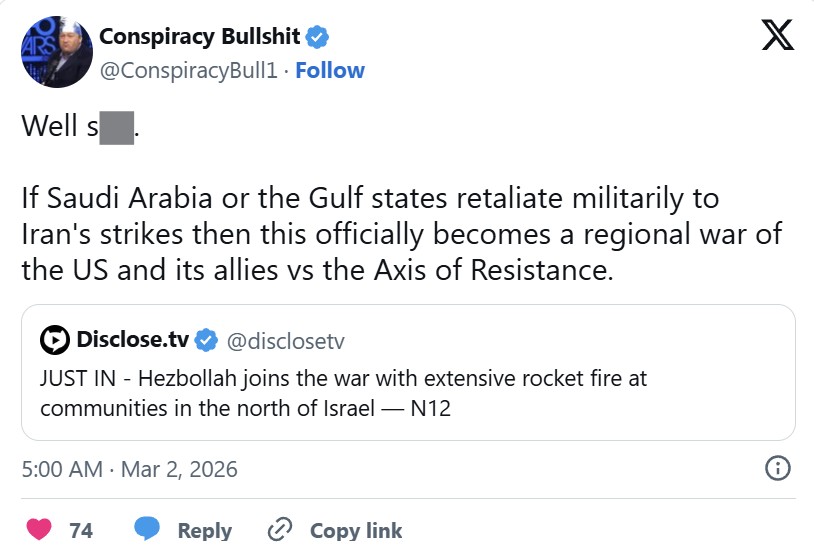
Colin Clarke, executive director of The Soufan Center, notes that Hezbollah, which just attacked Israel, is “one of the more formidable non-state actors in the world, and so they still have capabilities to make life difficult.” Javed Ali, former senior director for counterterrorism at the National Security Council, agrees, calling Hezbollah “the most capable group” within Tehran’s so-called Axis of Resistance.
A former senior U.S. intelligence official, who spoke anonymously, suggested that the Trump administration should be more worried about the Yemeni Houthis. The U.S. previously targeted the Houthis from March to May 2025, a major air and naval campaign launched after renewed Red Sea shipping attacks, but struggled to destroy the group’s underground arsenal. The official said they would be “more concerned about the Houthis going after oil infrastructure.”
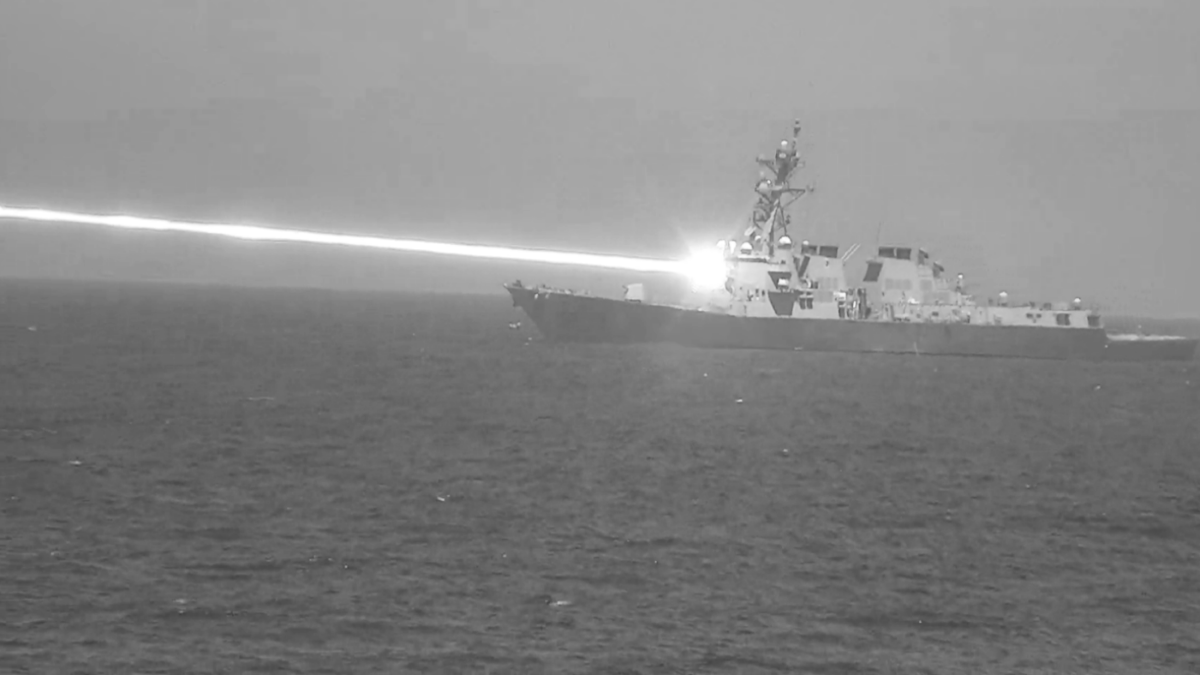
If the U.S. opts for a sustained operation rather than quick strikes, Brett Velicovich, a former Army intelligence special operations soldier, warns that Iran “would probably try and unleash their proxies to strike down targets in the region.” He believes these groups would attempt to shoot down American drones and maritime assets, assassinate diplomats, conduct kidnappings, and carry out other methods to “attempt to stoke a bit of chaos” around the world.
Beyond these groups, Ali points to the Quds Force, a secretive unit of Iran’s IRGC, as the most dangerous organization from a terrorist perspective. They’ve trained, equipped, and partnered with the Axis of Resistance for decades. Ali calls them “Iran’s ace in the hole when it comes to unconventional warfare,” noting they haven’t used this capability against the U.S. outside of Iraq.
These proxies have been quiet lately, with the belief being that Israeli strikes may have impacted them in the past few years. However, the U.S. and other Western countries are closely monitoring for signs of activity.







Published: Mar 2, 2026 05:39 am