


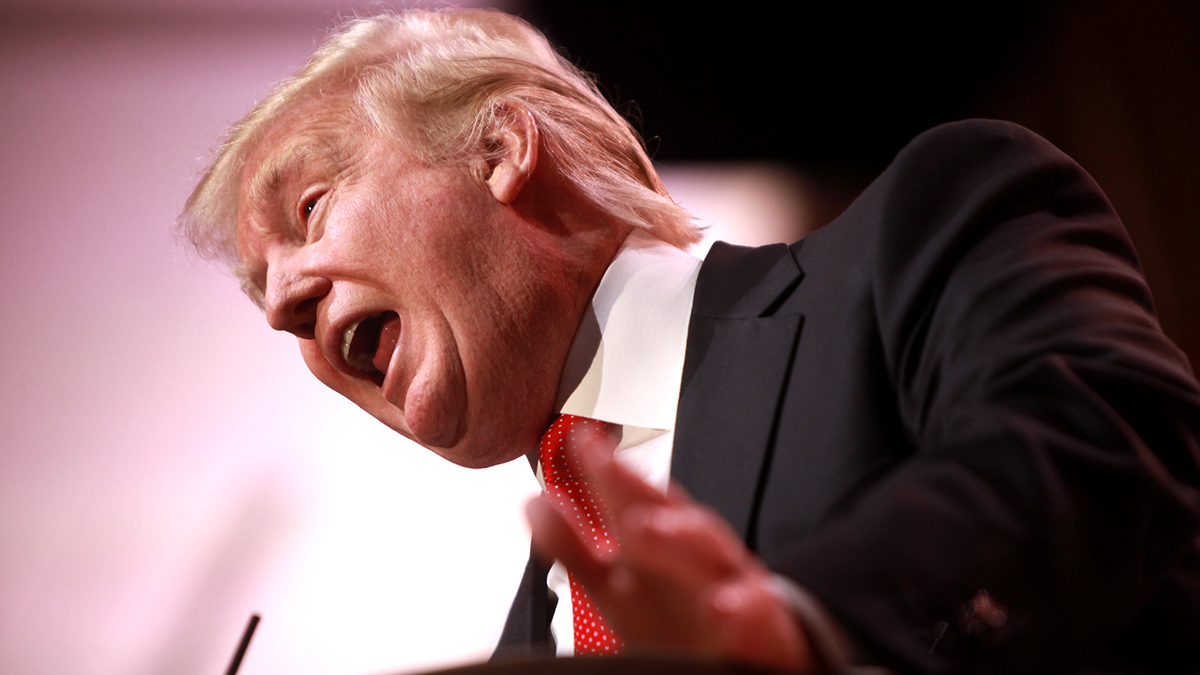

ABC News Chief Washington Correspondent Jonathan Karl has provided new details regarding the status of Iranian leadership following the joint U.S.-Israeli strikes on Feb. 28.
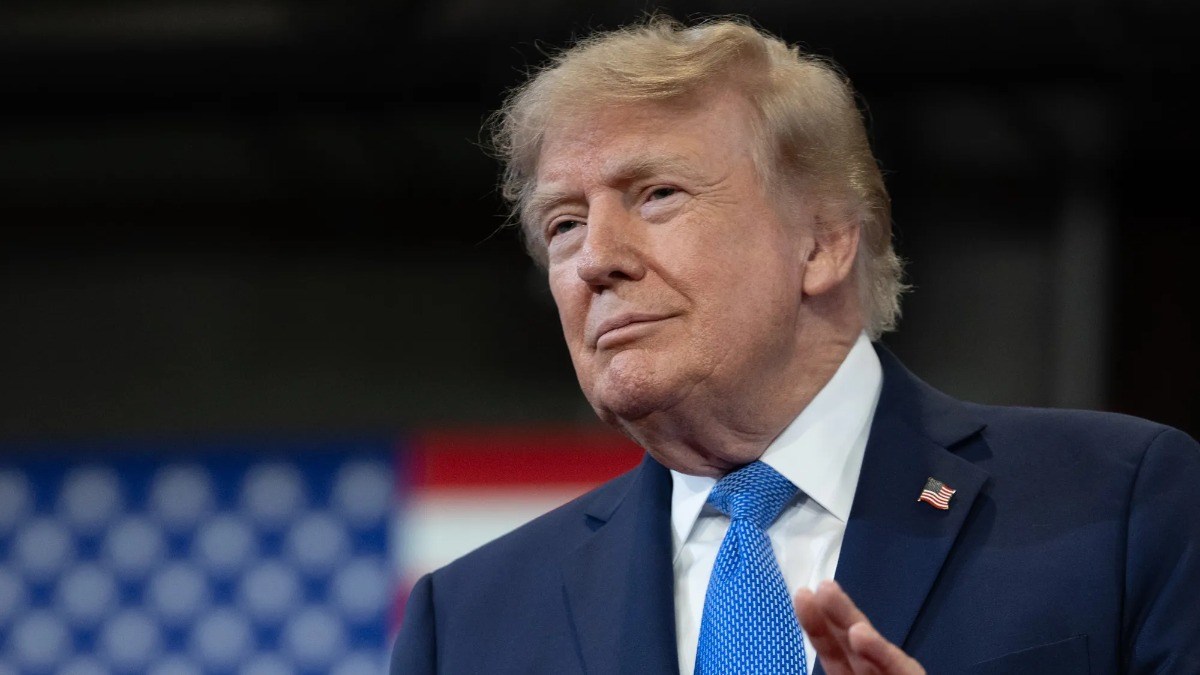
According to Karl’s reporting, President Trump indicated that the operation had a significant impact on Tehran’s known succession structure. Trump noted that many individuals previously identified as potential candidates for leadership were reportedly among the casualties of the initial wave.
Karl, a veteran American political journalist, has covered multiple presidential administrations from the White House, reported from Congress and the Pentagon, and authored bestselling books on the Trump presidency.
The Pentagon has officially confirmed the deaths of three U.S. service members and injuries to five others during the ongoing operations.
Iran leadership succession after US strikes
Iranian state media and multiple major international news outlets reported that the strikes killed Iran’s Supreme Leader, Ayatollah Ali Khamenei, leaving a power vacuum in the country.
The joint operation triggered widespread regional retaliation — including Iranian missile attacks on Israel and U.S. forces, friendly-fire incidents, rising casualties on all sides, and international condemnation — intensifying Middle East conflict and stoking diplomatic and humanitarian concern.
The U.S. typically does not “officially” designate successors for foreign nations, as doing so would violate international norms regarding sovereignty. Instead, Tehran’s Assembly of Experts, a clerical body, is constitutionally responsible for choosing the next Supreme Leader.
Iran has temporarily empowered an interim leadership council of senior officials – including President Masoud Pezeshkian, judiciary head Gholam-Hossein Mohseni-Eje’i, and cleric Alireza Arafi – while potential contenders discussed in open sources range from hard-line clerics to establishment figures.
As Karl mentioned, however, many top candidates were reportedly killed, and genuine succession plans remain uncertain.
A power vacuum in Iran following the reported death of Supreme Leader Ali Khamenei could trigger an intense internal struggle among clerics, political elites, and the Islamic Revolutionary Guard Corps, raising the risk of domestic unrest or a harder-line consolidation of power.
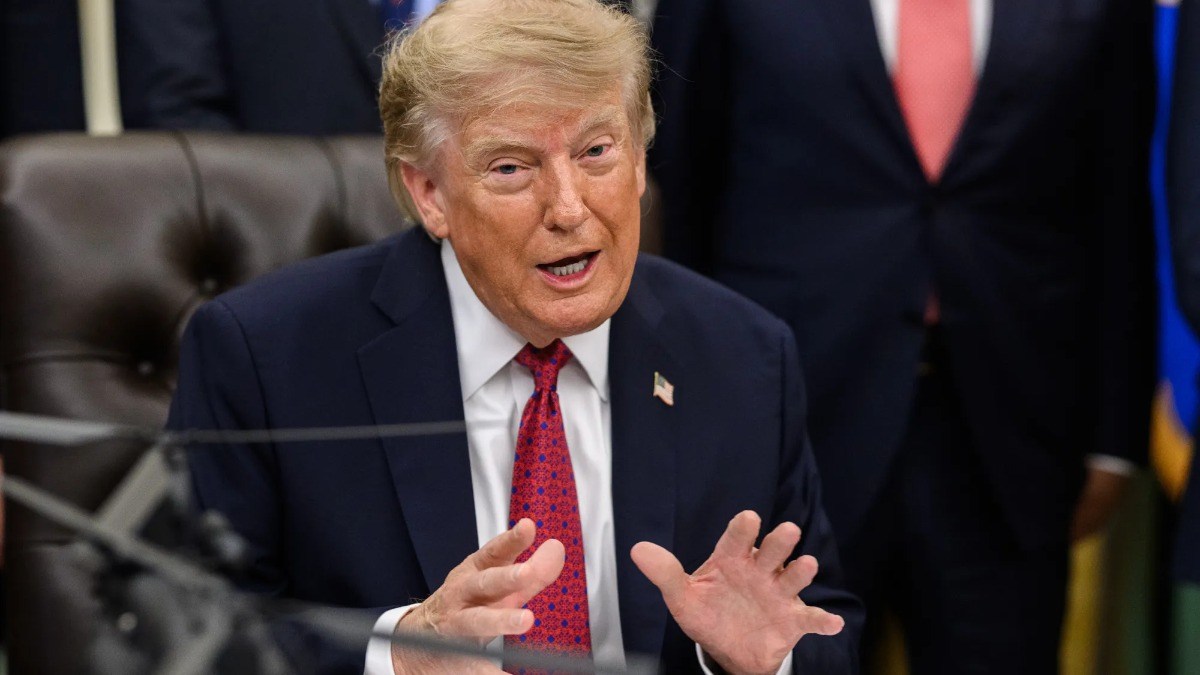
Trump: “I got him before he got me.”
Referring to the same phone conversation, Karl added in a subsequent X post, quoting Trump, “I got him before he got me. They tried twice. Well, I got him first,” referring to U.S. intelligence reporting a plot to assassinate Trump in 2024, Karl said.
Karl’s post touches on widespread criticism of the attack, with no clear succession in place. Danny Citrinowicz of the Atlantic Council told Reuters, “The Iranian system is bigger than one man — removing Khamenei could harden the regime rather than weaken it.”
“Iran was built to survive the loss of a leader,” Ali Hashem, a research affiliate at Royal Holloway, University of London, also told the outlet. “The danger is not a vacuum. It’s whether war and pressure push the system past the point where that resilience holds.”


Published: Mar 2, 2026 05:43 pm