



Spanish politicians have spoken out against the United States-Israeli strikes on Iran and the ongoing conflict in the Middle East. Now, one Spanish Member of Parliament (MEP), Irene Montero, is comparing the U.S. and Israel to a new terror alliance.
In a post on social media, Montero said,
Because no one stopped the genocide in Gaza, the United States and Israel are now targeting Venezuela and Iran. We must isolate the U.S. and Israel now, so they can no longer spread terror across the globe.”
Spanish response to the U.S.-Israel strikes in Iran
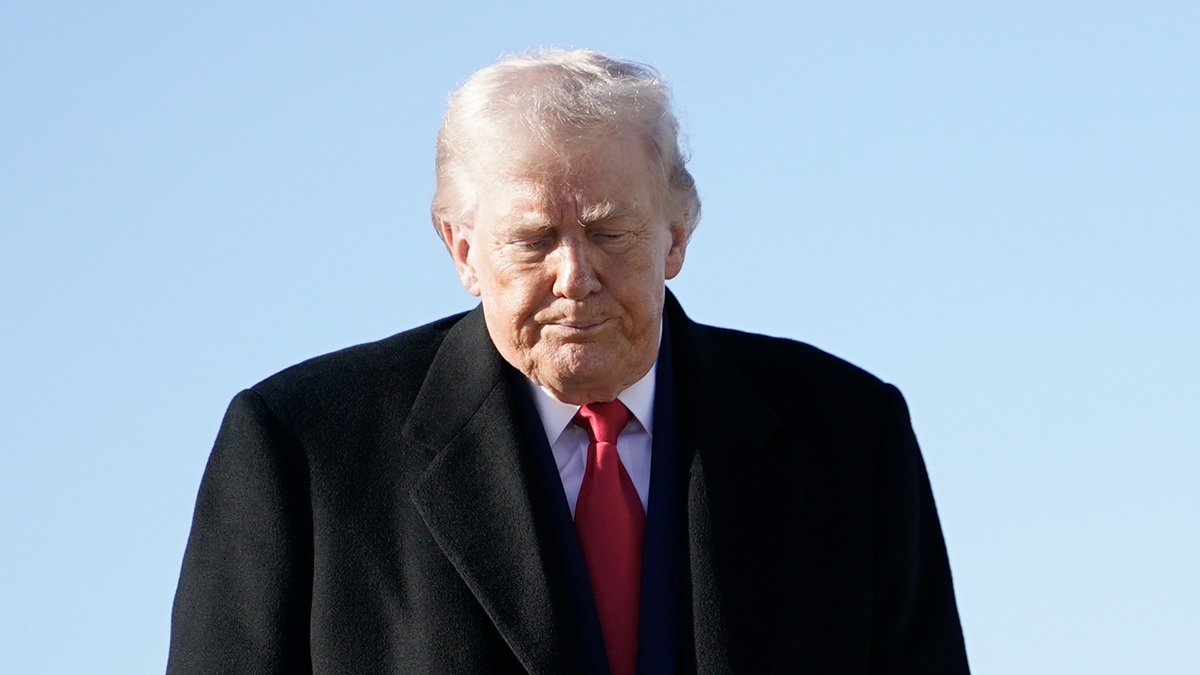
Montero’s statement comes after the Spanish Prime Minister Pedro Sánchez said his country would not support the U.S.-led military action. He rejected pressure from Donald Trump and insisted Madrid would not be drawn into what he described as a dangerous escalation.
In a televised address, Sánchez defended diplomacy over force. He argued that international law must guide foreign policy decisions, and ruled out authorizing Spanish participation in operations tied to the conflict.
Spain has also refused to allow the United States to use its military bases at Rota and Morón de la Frontera for operations targeting Iran.
Though jointly operated under a bilateral defense agreement, the Spanish government said the bases remain under Spanish sovereignty. Because of this, they will only be used in accordance with that agreement and international law.
Trump threatens trade embargo
Reuters reports that on March 3, 2026, President Donald Trump threatened to impose a full trade embargo after Madrid refused to authorize the use of the Spanish bases for operations linked to attacks on Iran. He sharply criticized Spain’s defense policy and its stance on NATO spending while warning that the U.S. could cut all trade ties in response to the disagreement.
Sánchez’s government pushed back against U.S. trade threats linked to the dispute, emphasizing that Spain would not alter its position under economic or political pressure from the United States. The remarks mark one of the sharpest public disagreements between the longtime NATO allies in recent years.
Spain and the US Iran conflict dispute
Montero, meanwhile, is from the left-wing Podemos party and previously served as Spain’s Minister of Equality before joining parliament. She has been a visible voice on social justice and foreign policy issues, and in recent years, she has repeatedly criticized both the United States and Israel, especially over their roles in conflicts in the Middle East, accusing Israel of committing “war crimes” for military actions against Gaza and aid flotillas.
Opinion in Spain over the Iranian conflict is divided along political lines. Many left‑wing and progressive voices like Montero — including members of the ruling Socialist Party — strongly support Prime Minister Pedro Sánchez’s “no to war” stance. While doing so, they applaud his refusal to allow U.S. use of the Spanish bases and his emphasis on diplomacy and international law over military escalation.
Conversely, conservative parties like the Partido Popular have sharply criticized Sánchez. They argue his position undermines Spain’s security and relations with allies, and aligns Spain with hostile actors by distancing it from the U.S. and traditional NATO partners.
As of March 4, 2026, the situation is a massive diplomatic “he-said, she-said” between Washington and Madrid: The White House says Spain has agreed to cooperate with the U.S. military note, but Spain says absolutely not. “Spanish Government’s Position on the War in the Middle East and the use of our bases has not changed,” Spanish Foreign Minister Albares said, according to political pundit Ed Krassenstein.








Published: Mar 5, 2026 08:06 am