


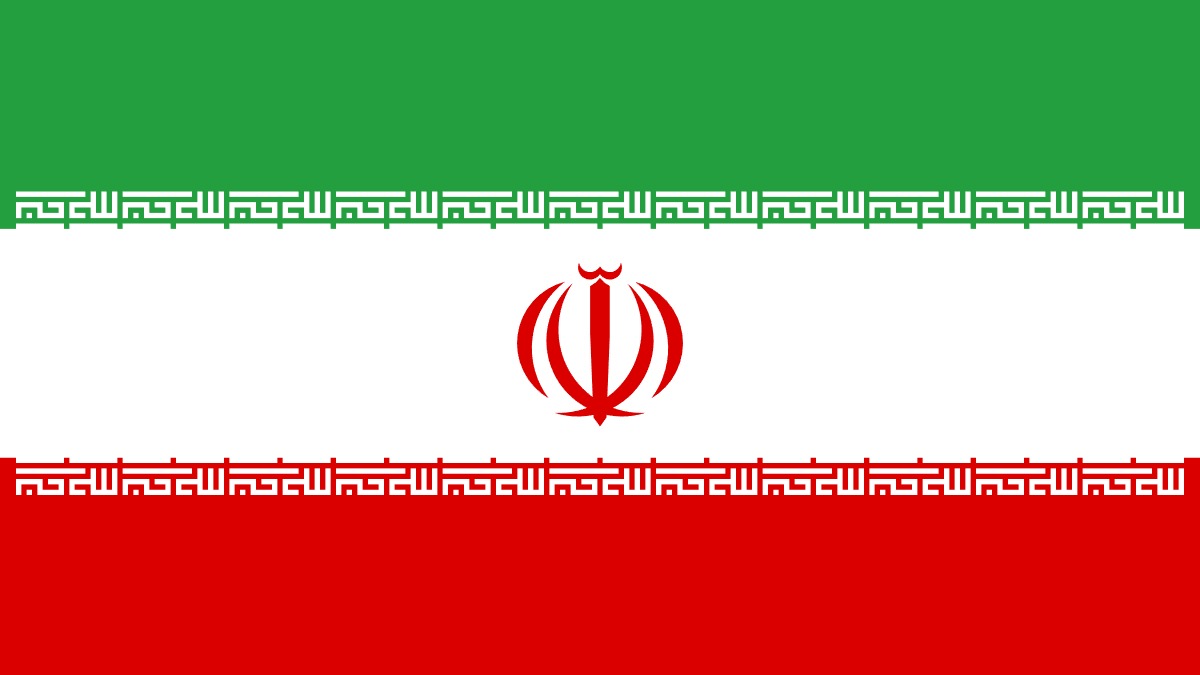

Iranian officials are claiming that Israel, not Iran, carried out several recent drone strikes on energy and civilian sites across the Arabian Gulf. They say these attacks were a calculated move to stir up anger among Arab states and pull them into the ongoing conflict with Tehran.
An anonymous Iranian foreign ministry official stated clearly that Israel was behind multiple drone strikes on Saudi Arabia and at least one attack on Oman. “I can categorically say that some of the attacks were not carried out by us,” the official said. Saudi Arabia has seen at least five drone and missile attacks, hitting the Prince Sultan Air Base, the Ras Tanura oil refinery, and the US embassy in Riyadh. Oman’s Duqm Port has also been targeted twice.
According to the Middle East Eye, two other Iranian sources said that Israel’s foreign intelligence agency, Mossad, was responsible for some of these drone attacks. They claimed Iran has detected Mossad activity on Iranian soil, including warehouses used to store drones, and that Iran is committed to “taking them all out.” Mossad has a known history of operating inside Iran, including assassinations of nuclear scientists and cyberattacks on nuclear programs.
Israel appears to be trying to break apart the peace Iran has built with its Gulf Arab neighbours
Iranian sources believe these strikes are “an Israeli effort to sabotage regional peace and alliances between neighbours,” aimed at damaging the ties Iran has built with Gulf Arab countries. By provoking these states, Israel may be trying to widen the conflict and further isolate Tehran.
Iran has been targeting US assets across the Middle East in response to a joint US-Israel attack that killed Supreme Leader Ayatollah Ali Khamenei. Gulf states say the strikes now also include civilian infrastructure such as hotels, airports, and energy facilities, though Iranian officials deny targeting Gulf energy sites.
The five-day conflict has badly hurt Saudi Arabia and Qatar’s ability to export oil and gas. With no signs of slowing, oil prices rising due to the prolonged Iran conflict is already beginning to affect consumers.
Iranian President Masoud Pezeshkian said Tehran respects the sovereignty of its neighbours, but that “American-Zionist military aggression has left us no choice but to defend ourselves.” Gulf Arab governments are now under growing US pressure to join the war effort against Tehran, though many senior Gulf officials are urging restraint.
Saudi politician Abdulaziz Altuwaijri said, “I firmly believe that the Zionist entity [Israel] wants to drag these countries into the war for more destruction, to strike the economy, and to undermine security and stability in the region.”
Qatar’s former prime minister, Hamad bin Jassim bin Jaber al-Thani, warned that direct confrontation would “deplete the resources of both sides.” Meanwhile, Marjorie Taylor Greene analyzing Trump’s thinking on Iran has added more political noise to an already tense situation.
Sina Toossi, a senior fellow at the Center of International Policy, added that an uncontrolled war with Gulf states would be deeply damaging for Iran and would undo its diplomatic progress in the region.









Published: Mar 6, 2026 01:41 pm