


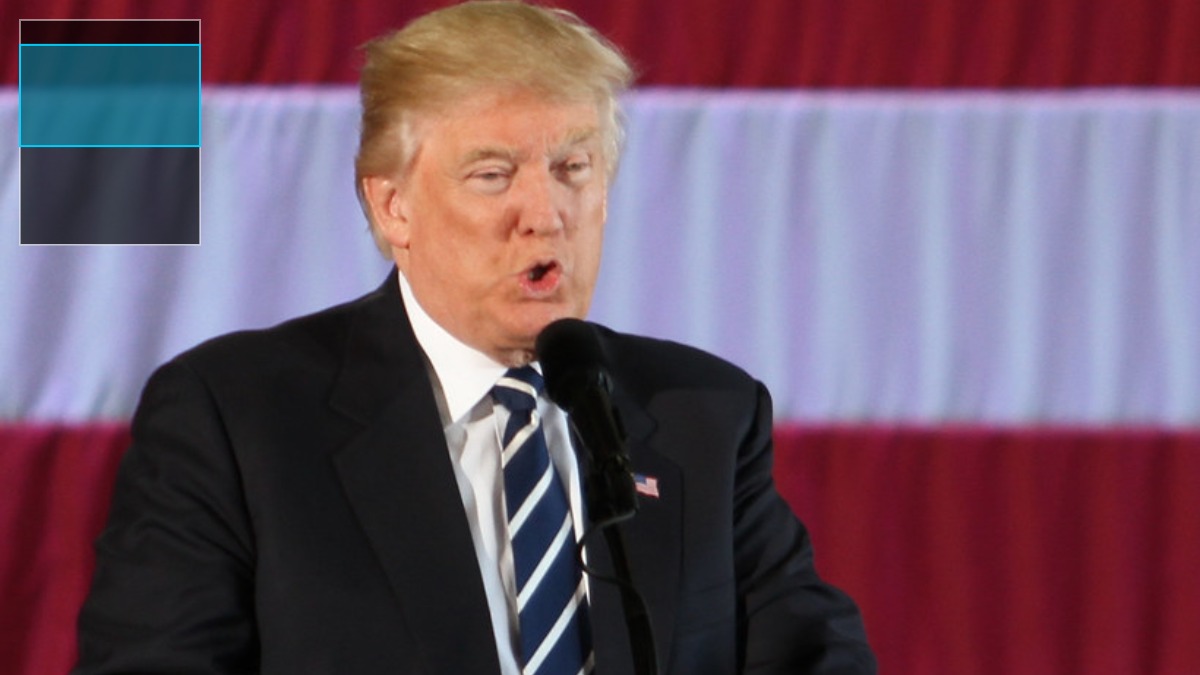

President Donald Trump told G7 leaders in a virtual meeting that Iran was “about to surrender.” But less than 24 hours later, Iran’s new supreme leader, Mojtaba Khamenei, made his first public statement vowing to keep fighting. The two contrasting messages highlight a clear gap between Trump’s private assessments and what is actually happening on the ground.
According to Axios, during the G7 call, Trump told allied leaders, “I got rid of a cancer that was threatening us all,” according to officials briefed on the conversation. He also suggested there were no officials left alive in Tehran with the power to announce a surrender, saying, “Nobody knows who is the leader, so there is no one that can announce surrender.”
Trump has previously mocked Mojtaba Khamenei, calling him a “lightweight” and deeming him “unacceptable” to the U.S. But Khamenei delivered a very different message on Thursday via state television. He vowed to avenge Iranian “martyrs” and declared that Iran would open new fronts in the war “where the enemy has little experience and is highly vulnerable.” He also confirmed Iran plans to keep threatening the Strait of Hormuz.
Iran is not backing down, and the Hormuz crisis is rattling the global economy
Attacks on tankers in the Strait of Hormuz have already pushed oil prices above $100 a barrel, raising fears of a global economic crisis. G7 leaders expressed serious concern over the war’s growing economic impact and urged Trump to end the conflict quickly. Trump maintained that the situation in Hormuz was improving and that commercial ships should resume operations, even as at least two tankers were set on fire off the coast of Iraq that same night.
Trump remained vague about his goals and timeline for ending the war. Reports suggest that Trump’s advisers are quietly shaping his Iran decision behind the scenes. While he gave no specific deadline, he insisted that “we need to finish the job” to prevent another war with Iran in five years.
The Hormuz crisis is also benefiting Russia as a major oil producer. German Chancellor Friedrich Merz, British Prime Minister Keir Starmer, and French President Emmanuel Macron urged Trump not to let Moscow exploit the war or receive sanctions relief. Yet hours later, Putin envoy Kirill Dmitriev met with Trump advisers Steve Witkoff and Jared Kushner in Florida to discuss the global energy crisis.
Despite objections from the three European leaders, the Treasury Department announced a one-month waiver on sanctions on Russian oil. Treasury Secretary Scott Bessent clarified that the waiver applies only to oil already in transit and is meant to stabilize global energy markets, not financially benefit Russia.
In another notable moment, Trump reportedly mocked UK Prime Minister Starmer, who had initially refused U.S. use of British bases for strikes on Iran. Starmer later reversed course, offering access for “defensive” strikes on Iranian missile sites.
Trump told him in front of the other G7 leaders, “You should have proposed it before the war, now it is too late.” The exchange drew wide media attention, not unlike Jimmy Kimmel’s ruthless on-air comeback that recently left a Newsmax host regretting his remarks.






Published: Mar 13, 2026 02:43 pm