


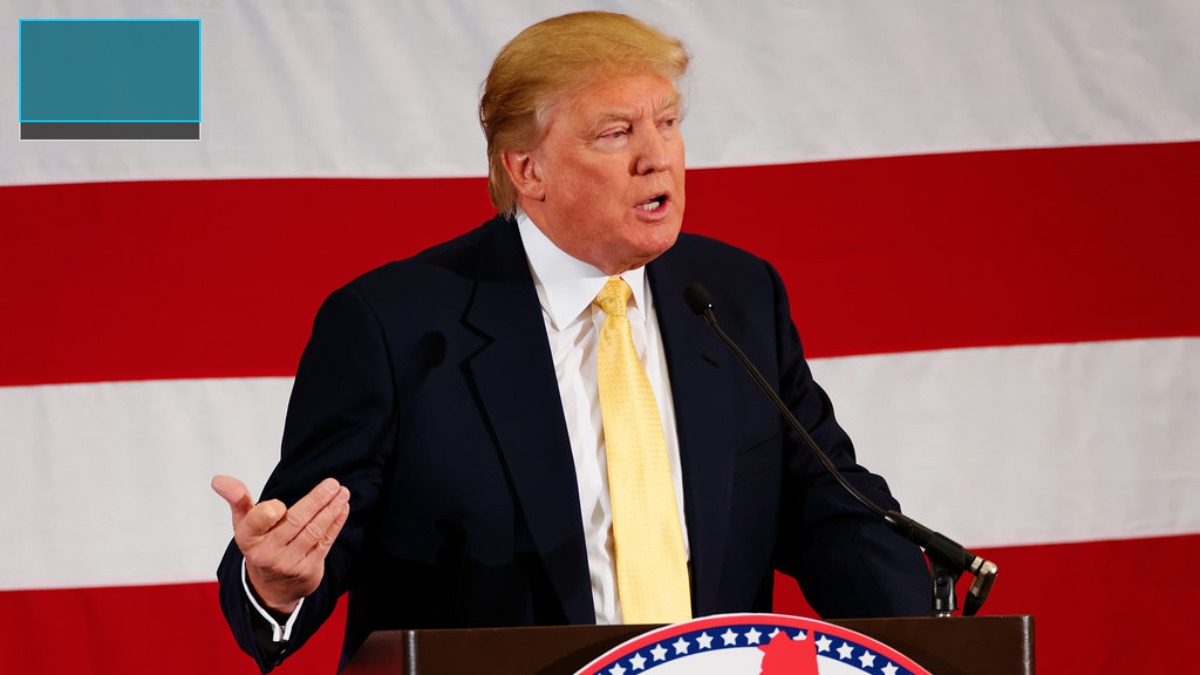

President Trump is publicly calling on several allied nations to send warships to help guard the Strait of Hormuz, but so far, none of them have made any firm commitments. This comes as oil prices keep rising due to the ongoing conflict with Iran.
According to AP News, Trump made his position clear while flying back to Washington from Florida on Air Force One. He has previously appealed to China, France, Japan, South Korea, and Britain, noting that about one-fifth of the world’s traded oil passes through the strait. He stressed that the U.S. itself does not critically depend on the waterway because of its own oil access.
“I’m demanding that these countries come in and protect their own territory, because it is their own territory,” Trump said, claiming that China gets about 90% of its oil from the strait. He added that “it would be nice to have other countries police that with us, and we’ll help.” He also warned that the U.S. “will remember” if support isn’t offered, specifically naming British PM Keir Starmer, who he said declined to put British aircraft carriers “into harm’s way.”
Allied nations are responding with caution rather than commitment, showing just how difficult it is to build a united front
Britain’s energy minister, Ed Miliband, told the BBC that the “best and simplest way” to reopen the strait is to de-escalate the fighting. Back home, Republicans have been largely supportive of Trump’s Iran actions, pushing back on any talk of division within the party.
Japan’s pacifist constitution limits its military involvement, and a senior official warned that deploying warships would face “high hurdles.” The issue is expected to come up when Prime Minister Sanae Takaichi meets Trump in Washington on Thursday.
South Korea said it would “communicate closely with the United States” but made no commitments. China, the biggest buyer of Iranian oil, has not publicly responded. U.S. Energy Secretary Chris Wright said he expects China “will be a constructive partner” in reopening the strait. France’s Macron said he would consider using the navy to escort ships, but only if the conflict stabilizes first.
Iran’s Foreign Minister Abbas Araghchi told CBS that Tehran has been “approached by a number of countries” seeking safe passage, adding that “this is up to our military to decide.” He also said Iran doesn’t “see any reason why we should talk with Americans” about ending the war. Iran has said the strait is open to most nations, though Iran’s offer to allow free passage comes with a significant catch that has raised serious concerns.
The International Energy Agency announced that nearly 412 million barrels of emergency oil stocks will soon flow to global markets to help lower prices. Trump believes costs “are going to come tumbling down as soon as it’s over. And it’s going to be over pretty quickly.”
The human cost continues to grow. In Iran, the Red Cross reports over 1,300 deaths, including 223 women and 202 children. In Israel, 12 people have been killed by Iranian missile fire, and at least 13 U.S. military members have also died. Lebanon has seen at least 820 deaths, with over 800,000 people displaced in just 10 days.








Published: Mar 16, 2026 02:38 pm