


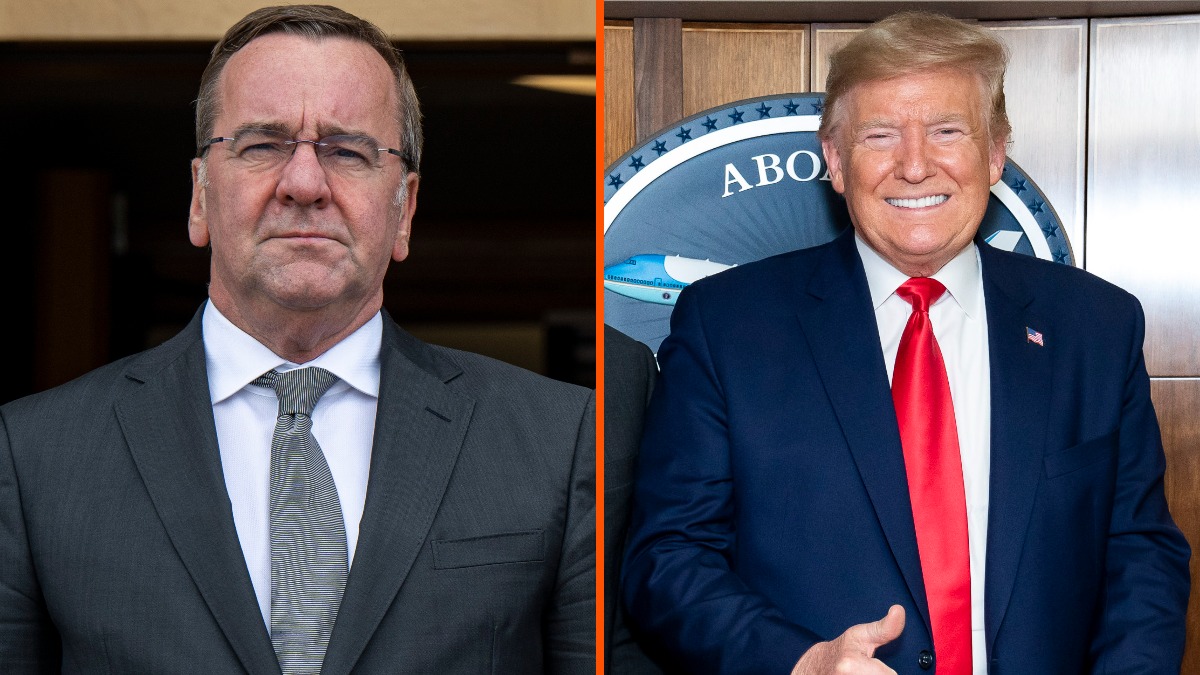

Germany has outright rejected Donald Trump’s call for naval support in the Strait of Hormuz, even as Trump continues to press allies, including those in NATO, for military assistance to keep the vital shipping route open. Iran has effectively closed the strait over the past two weeks, using missiles, drones, and mines to attack oil tankers, in response to the ongoing U.S.-Israeli conflict with Tehran.
According to The Hill, Defense Minister Boris Pistorius made it clear on Monday that “this is not our war.” He then made a rather telling, sarcastic comment, wondering, “What does … Donald Trump expect a handful or two handfuls of European frigates to do in the Strait of Hormuz that the powerful U.S. Navy cannot do?”
Here’s where things get interesting. Trump has repeatedly made statements like “When the time comes, the U.S. Navy and its partners will escort tankers through the strait, if needed.” However, the U.S. Navy has actually refused near-daily requests from the shipping industry for military escorts since the war began, citing that the risk of attacks is currently too high. When NBC asked him about the escorts, he said, “I don’t want to tell you anything about that.”
Can’t Trump can protect his own ships?
Trump has been vocal about the need for international cooperation to police the Strait of Hormuz, stating that he’s in discussions with “about seven” countries regarding this effort. Hilariously, just a day earlier, he had claimed that countries affected by the closure of Hormuz were sending ships. Obviously, since that is false, he tried to name and shame countries, saying that “hopefully” they will.
The situation in the strait is dire; zero ships have managed to navigate the waterway in the last 24 hours, a stark drop from the daily average of 60. Per The Hill, Trump warned in an interview with the Financial Times that NATO faces a “very bad” future if they don’t step up to help keep the Strait of Hormuz open. “It’s only appropriate that people who are the beneficiaries of the strait,” like Europe and China, “will help to make sure that nothing bad happens there.”
Despite Trump’s strong words and threats to NATO’s future if there’s “no response or if it’s a negative response,” countries have largely remained noncommittal. Germany has been the most direct in its rejection, with one official pointing out that the conflict has nothing to do with NATO. He stated that neither the United States nor Israel consulted Germany before the war began, and Washington had explicitly said at the outset that European assistance was “neither necessary nor desired.”
Pistorius, for his part, seemed to downplay Trump’s threat to NATO, telling reporters he didn’t think it would lead to the alliance’s breakdown.








Published: Mar 17, 2026 09:22 am