


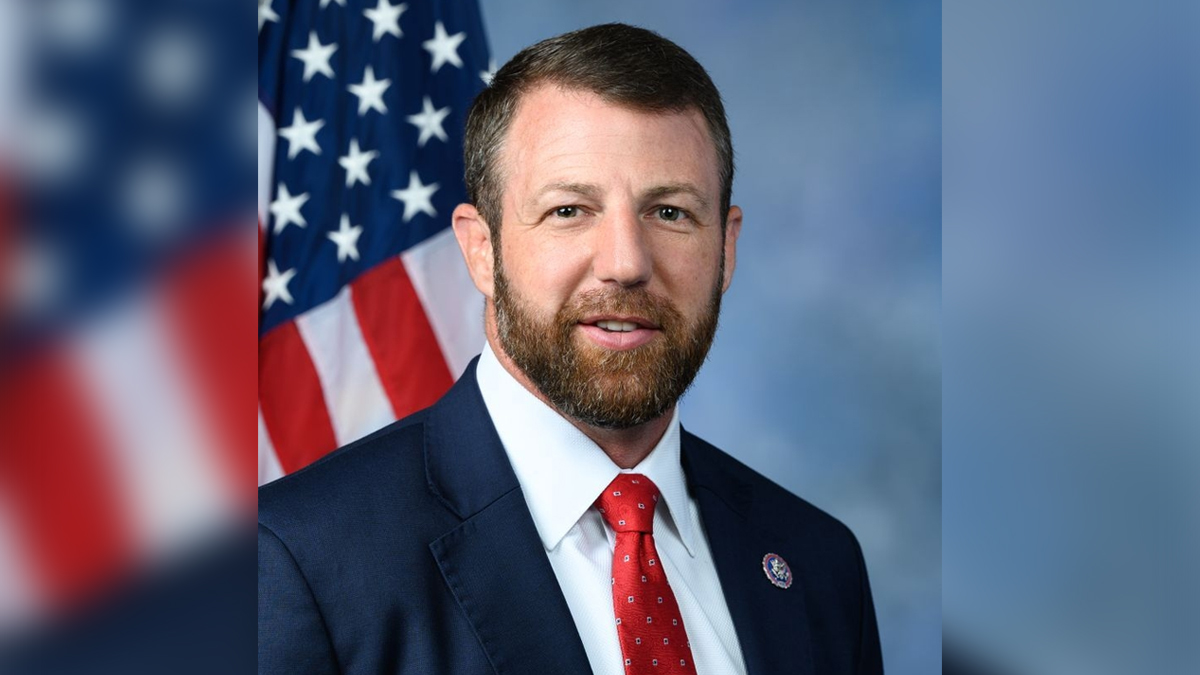

Donald Trump’s pick for homeland security secretary, Senator Markwayne Mullin, surprised many this week by signaling his willingness to meet a key Democratic condition for funding DHS: requiring judicial warrants, something the White House has repeatedly rejected.
Mullin had evidently been quietly working on a comprehensive immigration enforcement compromise with a House Democrat and long-time friend, Josh Gottheimer (D-NJ), long before his nomination. Per the New York Times, their goal is to bridge the gap between Democrats pushing for restrictions and the White House, which is generally unwilling to budge on immigration tactics.
A draft of their proposal would require federal immigration agents to obtain judicial warrants for forced entry into homes, unless they’re in hot pursuit. The plan also prohibits immigration enforcement actions at sensitive locations such as hospitals, churches, schools, and polling places, without explicit approval from a judge. The framework calls for reverting to the training, use-of-force, and detention facility standards that were in place under Biden.
No one saw this coming
Mullin often acts as an emissary between Congress and Trump. However, his conversations with Gottheimer were held entirely separate from the formal, weekslong negotiations between Senate Democrats and the Trump administration. Recently, Tom Homan has been leading the meeting to outline much narrower changes that Trump would be willing to accept.
The Mullin-Gottheimer proposal also mandates body cameras and clear identification for immigration agents. It goes a step further by requiring the FBI and federal prosecutors to take the lead in investigating shootings involving immigration officers, addressing concerns like those that arose in Minneapolis. It also requires Immigration and Customs Enforcement to discuss civil enforcement operations with local law enforcement.
Mullin himself hinted at openness to these changes during his explosive confirmation hearing, where Gottheimer was notably seated behind him in support. Mullin told senators he wants to ease conflicts between federal immigration agencies and law enforcement.
“My goal is for people to understand we’re out there, we’re protecting them, and we’re working with them,” Mullin said at his confirmation hearing, projecting a softer approach than some of his colleagues.
Mullin’s pursuit of this bipartisan compromise, and the proposal itself, really suggest he’s been open to moderating Trump’s immigration crackdown for some time. This echoes a softer approach that Mullin seems to be projecting, especially as some Republican lawmakers and administration members concede that Trump’s deportation campaign has faced backlash that could hurt the party in the midterms.
Representative Hakeem Jeffries’ spokesperson, Christie Stephenson, confirmed that Gottheimer has kept the minority leader informed of his conversations. Stephenson stated that “the bipartisan progress that has been made on a judicial warrant requirement, protecting sensitive locations like polling sites and independent state investigations, is a meaningful step in the right direction.”
This shutdown has been particularly combative, stretching long enough that Democrats have begged to separate the agencies under DHS to fund other teams that need it. Hopefully, Mullin might be the needed push to get the funding through.








Published: Mar 23, 2026 07:02 am