



The “Protect American AI Act of 2026,” a bill designed to shield data centers from environmental litigation, was pulled from consideration in the House Judiciary Committee this week, revealing growing internal disagreements among Republicans on how to handle the rapid expansion of these facilities. Per Politico, the proposed legislation, H.R. 8037, had been fast-tracked for a markup, but objections from within the party ultimately derailed the effort.
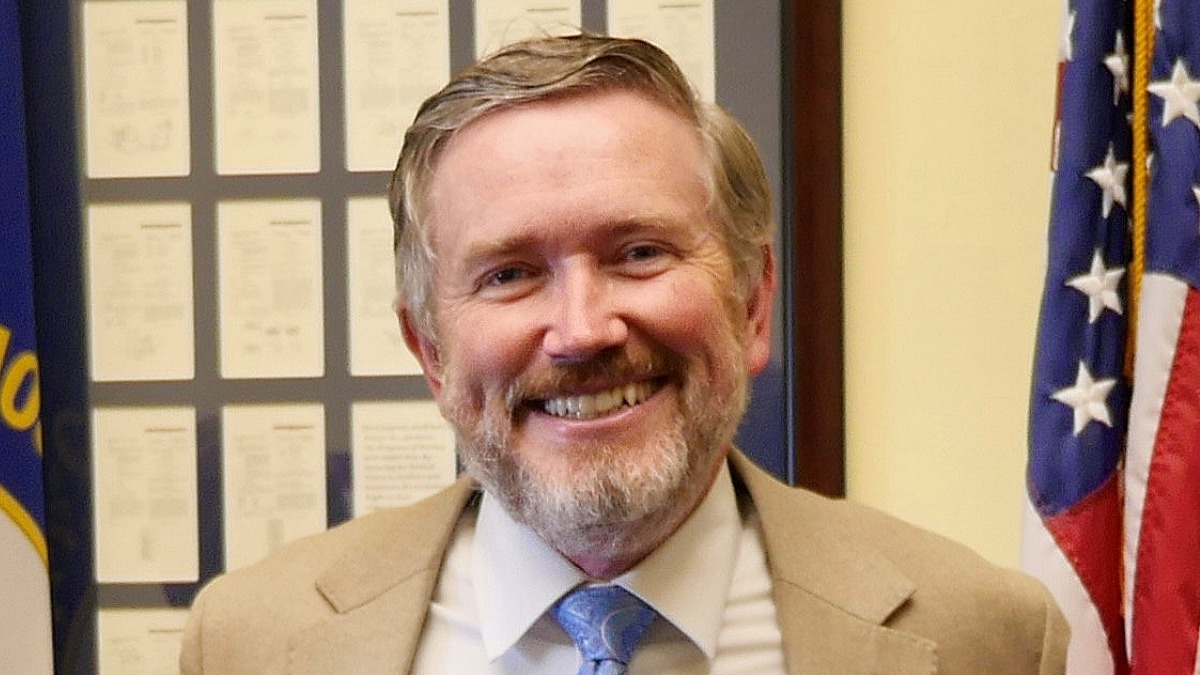
Representative Thomas Massie (R-KY) was a vocal opponent of the bill, taking to X to voice his concerns. He announced his intention to vote against it because, as he put it, “no industry deserves special treatment under the law.” Massie argued that if current environmental regulations are too burdensome, then they should be repealed for everyone, not just for a select industry.
Massie’s discomfort stemmed from the bill’s broad scope. Despite its title, the act wasn’t limited to artificial intelligence data centers, and instead, it covered “any facility that primarily contains electronic equipment used to process, store, or transmit digital information.” At its core, it prevented civil actions challenging environmental reviews for any qualifying data center or its supporting infrastructure from affecting the validity of permits or approvals.
I can’t believe they are actually looking to block environmental reviews
It turns out Massie wasn’t alone in his skepticism. On X, he said that he wasn’t the “only Republican uncomfortable with a bill to exempt data centers from standard environmental regulation.” He had even prepared an amendment to prevent favorable regulatory treatment for data centers built on farmland, though it wasn’t needed since the bill was thankfully pulled.
This internal discord comes just a week after President Trump urged Congress to pass legislation to ensure that data centers don’t impact consumer electricity bills. However, the committee’s inaction and the derailed markup on Thursday show that mapping out President Trump’s AI national policy framework is proving to be a challenge.
In fact, some previously supportive lawmakers, like Rep Brett Guthrie (R-KY), now seem unsure if federal legislation is necessary, or if local communities can manage it themselves. Others, like Josh Hawley (R-MI), are pushing a bipartisan bill to force data centers to find independent power sources. Despite multiple proposals floating around Capitol Hill, none have secured leadership’s backing.
The White House, however, has been pushing Congress to codify Trump’s “ratepayer protection pledge.” This pledge would compel technology companies to either pay for or provide their own power for data centers.
Even with the uncertainty, Democrats haven’t completely dismissed Trump’s “ratepayer protection pledge.” It stems from the desire to ensure costs aren’t passed on to customers, especially with skyrocketing electricity rates.
Representative Michael Baumgartner (R-WA), who introduced H.R. 8037, stated that the bill was pulled for “logistical reasons.” A person familiar with the situation suggested the House Judiciary Committee might revisit the measure soon. However, there is a growing backlash against data centers, with one farmer going viral for rejecting an eye-watering amount of money to push back against a data center being built in his community.









Published: Mar 28, 2026 11:00 am