


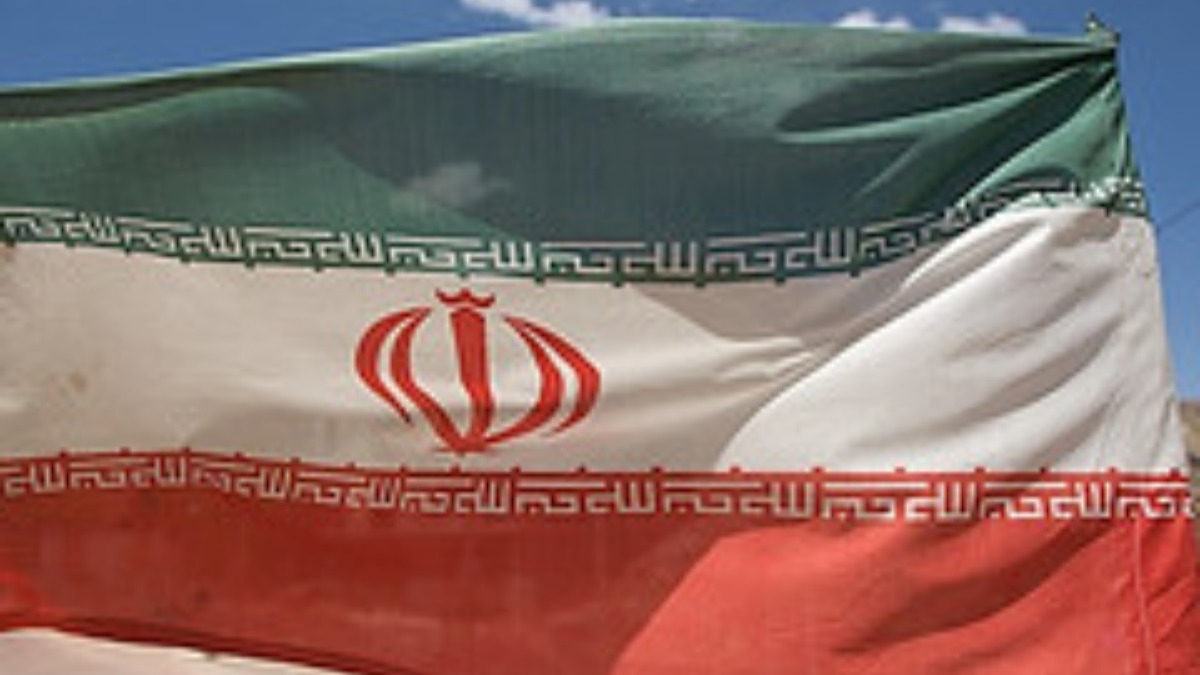

Iran published a letter to the American people, directly blaming the Trump administration for starting the ongoing war. The letter was released just hours before President Donald Trump was set to address the nation. In it, Iran accused the U.S. of fabricating reasons for the conflict, claiming Iran had agreed to a nuclear deal only for the U.S. to pull out and launch attacks anyway.
According to Mediaite, the letter stated that Iranians hold no hostility toward Americans, Europeans, or their neighbors. Iran argued that throughout its long history of dealing with foreign interference, its people have always separated governments from the citizens those governments represent. The letter described this as a core part of Iranian culture, not just a political talking point.
Iran also pushed back against being labeled a global threat, calling it a narrative built by powerful political and economic interests. The letter argued this kind of framing is used to justify military dominance, fuel the arms industry, and control key markets. It stated plainly: “In such an environment, if a threat does not exist, it is invented.”
American public opinion has consistently opposed the war, even as Republicans remain firmly behind Trump
While Iran was making its case to the American people, polling data showed that a majority of Americans already opposed the military action. According to NBC News, a poll from February 27 to March 3 found that 52% of registered voters believed the U.S. should not have started military action against Iran, while 41% supported it.
Support was strong among Republicans at 77%, and 90% among MAGA-identifying voters. Questions have also been raised about who is financially benefiting from the conflict at the cost of American lives.
Later polls showed the opposition growing. A March 17–20 survey found 60% disapproving of the military action, with 40% approving. A March 20–23 poll showed 58% opposing and 42% supporting it. The most recent survey, from March 27–29, found 60% disapproving and only 35% approving. Republican support remained high throughout, but the broader public consistently leaned against the war.
President Trump’s approval ratings on his handling of Iran have also stayed low, hovering in the low 30s to mid-40s; slightly below his overall job approval of around 40%. Trump has been claiming credit for “regime change” in Iran, pointing to the death of Ayatollah Ali Khamenei and the absence of his son Mujtaba from public view as signs that Iran is now in its “third regime” since the war began. He has described the new leadership as “very reasonable.”
Trump has also credited Iranian Parliament Speaker Mohammad Bagher Ghalibaf as a more moderate figure, claiming Ghalibaf authorized 10 Pakistani tankers to pass through the Strait of Hormuz as a goodwill gesture.
Iran’s state media denied this. It also remains unclear whether any ongoing negotiations involve direct or indirect contact with Trump’s special envoy Steve Witkoff, or what is actually being proposed.
The Iranian letter also brought up historical grievances. It pointed to the U.S.-backed coup of 1953, which it described as an “illegal American intervention aimed at preventing the nationalization of Iran’s own resources.”
It also cited American support for the Shah’s regime, U.S. backing of Saddam Hussein in the 1980s war, decades of sanctions, and “unprovoked military aggression, twice, in the midst of negotiations, against Iran” as reasons for deep and lasting distrust.
Analysts suggest Iran’s surviving leaders are likely more hardened than those who came before them, and probably more determined to rebuild their military capabilities. The death of Khamenei also means that the religious ruling he issued against taking the final steps toward building a nuclear weapon is no longer binding on his successors.
Reports indicate the Pentagon has been planning weeks of ground operations in Iran, raising further questions about the true scope of the conflict. Meanwhile, hopes of an internal uprising appear unrealistic, given that the Revolutionary Guard and the Basij paramilitary militia are more powerful than ever.
Human rights groups report the Basij killed an estimated 32,000 Iranian protesters in January alone. Secretary of State Marco Rubio acknowledged the uncertainty, saying: “The people who lead them, this clerical regime, that is the problem,” and added, “We have to be prepared for the possibility, maybe even the probability, that that is not the case.”







Published: Apr 2, 2026 11:45 am