


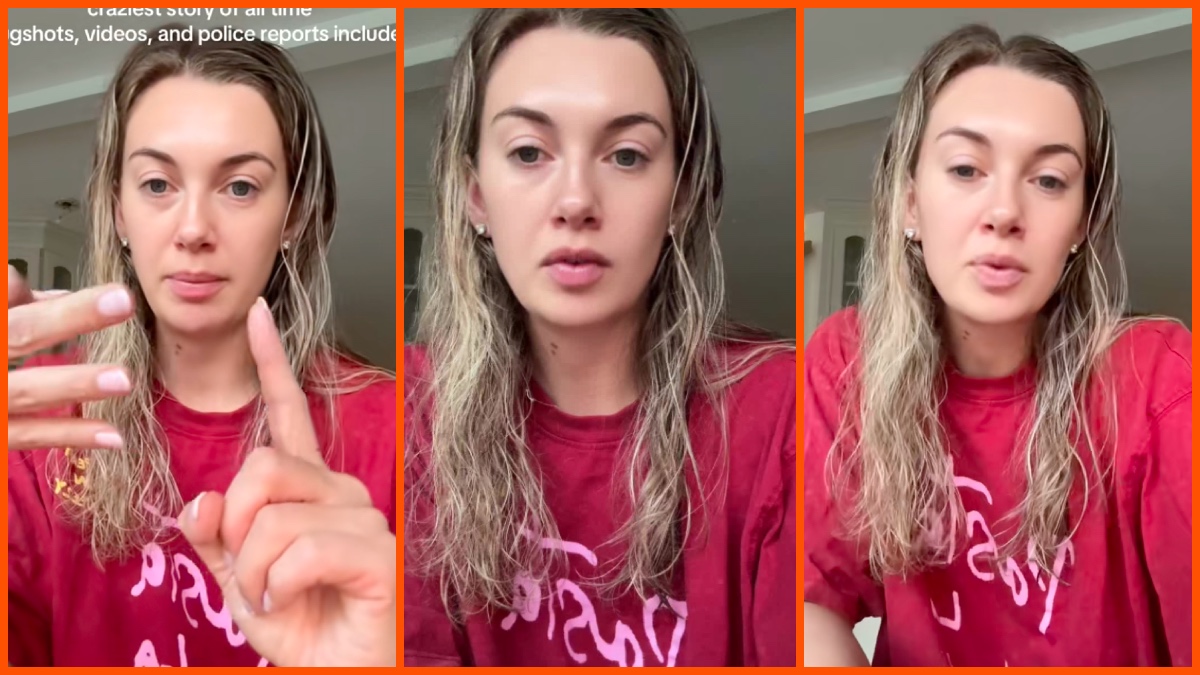

A Florida homeowner’s “dream fixer-upper” purchase has gone viral after she claimed the property came with an unexpected and persistent intruder who refused to leave, according to a TikTok story she posted years after the events allegedly occurred.
Emily, who posts under @quietly.emily, shared the multi-part account on TikTok, drawing roughly 500,000 views. She says the events happened around 2021 in Sarasota, Florida, after she and her husband bought their first home with plans to renovate it.
“I’m gonna tell you the craziest story of all time,” she says at the start of the video series. “And I’m gonna come with receipts, I’m gonna come with mugshots, I’m gonna come with videos, I’m gonna come with police reports.”
It started with a missing credit card
Emily explains that the couple purchased the home under asking price, describing the closing as unusually tense. She says the sellers appeared distressed, which she later assumed could have been tied to a divorce or family hardship. After closing, the couple began renovating the vacant home on weekends, including removing flooring and scraping popcorn ceilings. During the week, the house sat empty.
The situation escalated, she claims, when a replacement credit card sent to the property went missing. Shortly after, she says her credit card company flagged attempted fraud, including a reported $10,000 ATM withdrawal attempt.
Concerned, Emily went to the house and said she immediately noticed signs that someone had been inside. She describes finding dirty water in a bathtub and disturbing conditions in a guest room, which led her to call the police. According to her account, officers identified a woman they referred to as “Jane Doe,” who allegedly had a long history with the property.
Police allegedly told her the individual had previously lived in the home and had a documented pattern of returning, a claim Emily repeated from the encounter. Authorities have not independently verified these statements.
Emily: “Please just leave me alone”
Continuing her story, Emily says she later installed cameras and captured repeated entries into the home. She also alleges the woman accessed the property in unusual ways, including entering through unsecured windows and appearing on the roof. At one point, Emily says she was pregnant and increasingly fearful of staying in the home alone.
In a later confrontation, she recalls speaking through a glass pane in the front door. “I do not want to call the police. Please, just leave me alone,” she recalled telling the woman. Emily says she ultimately moved out and stayed with her parents while continuing to monitor the property.
What were Emily’s legal options?
According to the law, situations involving long-term unauthorized occupants can fall into a gray area between trespassing and adverse possession claims, depending on state law and duration of occupation. In Florida, “adverse possession” generally requires continuous occupation for seven years and specific conditions.
Police typically treat immediate unauthorized entry as trespassing, while long-term removal often requires civil eviction proceedings rather than immediate arrest. Florida also has involuntary psychiatric hold provisions, commonly known as the Baker Act, which allows temporary evaluation of individuals deemed a danger to themselves or others.
Emily says she ultimately relocated and sold the property, though she adds that she later learned more about the home’s past through public records and police reports she reviewed. She closes her story by acknowledging the situation’s complexity, while describing it as one of the most unsettling experiences of her life.







Published: Apr 29, 2026 03:59 pm