



As the U.S.-Israel war against Iran enters its third month, the effects are being felt far beyond the battlefield. The closure of the Strait of Hormuz, a narrow waterway that carries roughly one-fifth of the world’s oil and gas, has sent energy prices climbing. But there is another crisis quietly building in America’s heartland: fertilizer prices are surging, and farmers say they cannot afford to plant.
The Strait of Hormuz is not just an oil route. About one-third of the world’s fertilizer ingredients also move through it. Countries in the Gulf region, including Iran, Qatar, Saudi Arabia, and the UAE, account for roughly 49% of global urea exports and about 30% of ammonia exports, according to the American Farm Bureau Federation. Because fertilizer markets are globally connected, a supply shock in the Gulf hits American farmers too, even if the product never directly passed through U.S. ports.
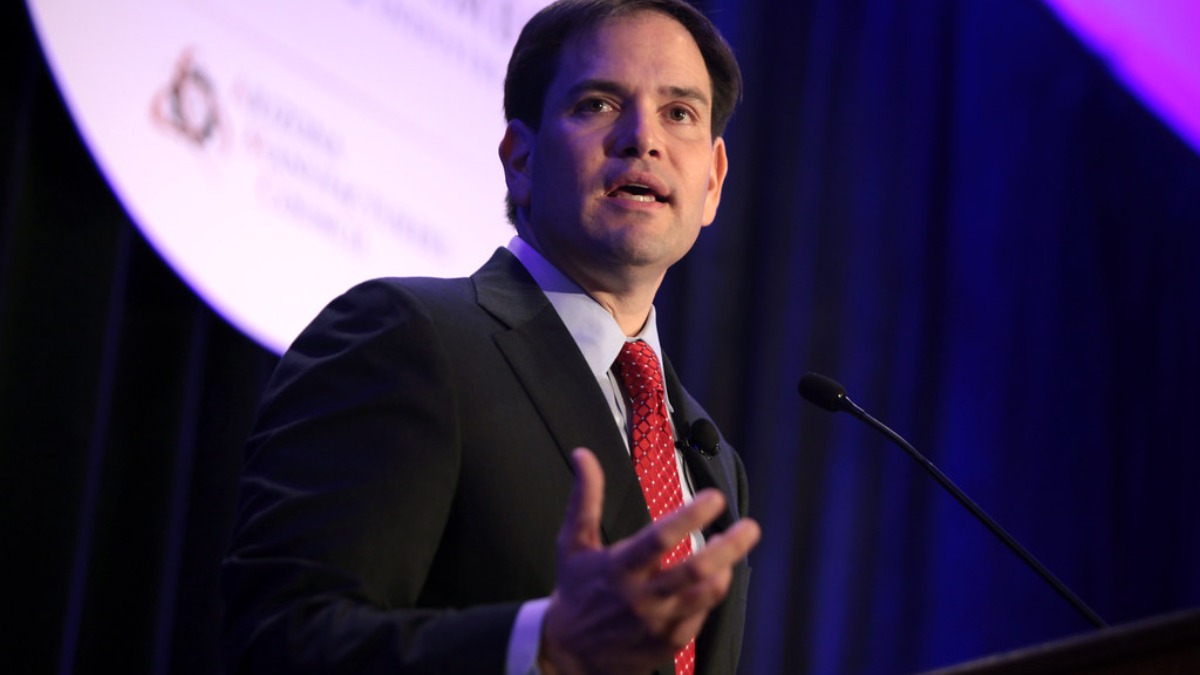
At a White House press briefing last week, Secretary of State Marco Rubio pushed back on concerns about the impact on American agriculture. “It’s the fertilizer that they need for their food and crops that’s stranded in the Persian Gulf,” Rubio said. “Not our fertilizer, their fertilizer.” He also downplayed rising gas prices, saying other parts of the world “are really suffering big time” and that the U.S. is “more insulated than other countries.”
But the numbers tell a different story
Before the conflict began in late February, anhydrous ammonia, one of the most widely used nitrogen fertilizers in the U.S., averaged $828 per ton. By April 17, 2026, that price had climbed to $1,123 per ton, a jump of about 36%. Nitrogen solution prices also rose by 25% over the same period, according to data tracked by agricultural researchers at the University of Illinois.
A nationwide survey of more than 5,700 farmers by the American Farm Bureau Federation, conducted in early April, found that 70% of U.S. farmers say they cannot afford to purchase all the fertilizer they need this year. In the South, that figure rises to 78%.
AFBF economist Faith Parum warned the consequences are real. “When producers cannot afford full fertilizer application rates, they may reduce nutrient use or shift acreage decisions, both of which increase the risk of lower yields,” she said.
According to NBC News, Agriculture Secretary Brooke Rollins said in Mid-March that about 25% of farmers had not yet purchased the fertilizer they needed for the 2026 spring planting season when prices began to spike.
Many of those farmers had been hoping prices would ease. They did not. The USDA now projects corn costs $5 per bushel to grow but will sell for $4.20. Soybeans cost $12.27 to produce but are expected to sell for $10.30. Farmers are losing money before the fertilizer crisis is even factored in. This comes as the USDA has also faced criticism for gutting a $300 million program meant to help minority farmers, raising further questions about the agency’s priorities during a difficult time for agriculture.
The Trump administration has taken some steps to address the problem. Agriculture Secretary Brooke Rollins announced a plan to increase fertilizer imports from Venezuela, which she said could fill about 57% of the April-to-June urea supply gap. The USDA has also pointed to $12 billion in one-time payments to help farmers offset losses.
However, farm leaders say that it falls short. Meanwhile, the administration’s effort to reopen the Strait of Hormuz hit a significant obstacle after reports emerged of Saudi Arabia rejecting the U.S. Hormuz reopening plan, casting doubt on how quickly global fertilizer shipments can resume. Industry analysts warn that high fertilizer prices are likely to last well into fall 2026 and possibly through spring 2027, meaning the full weight of the crisis may still be ahead.









Published: May 7, 2026 10:37 am