


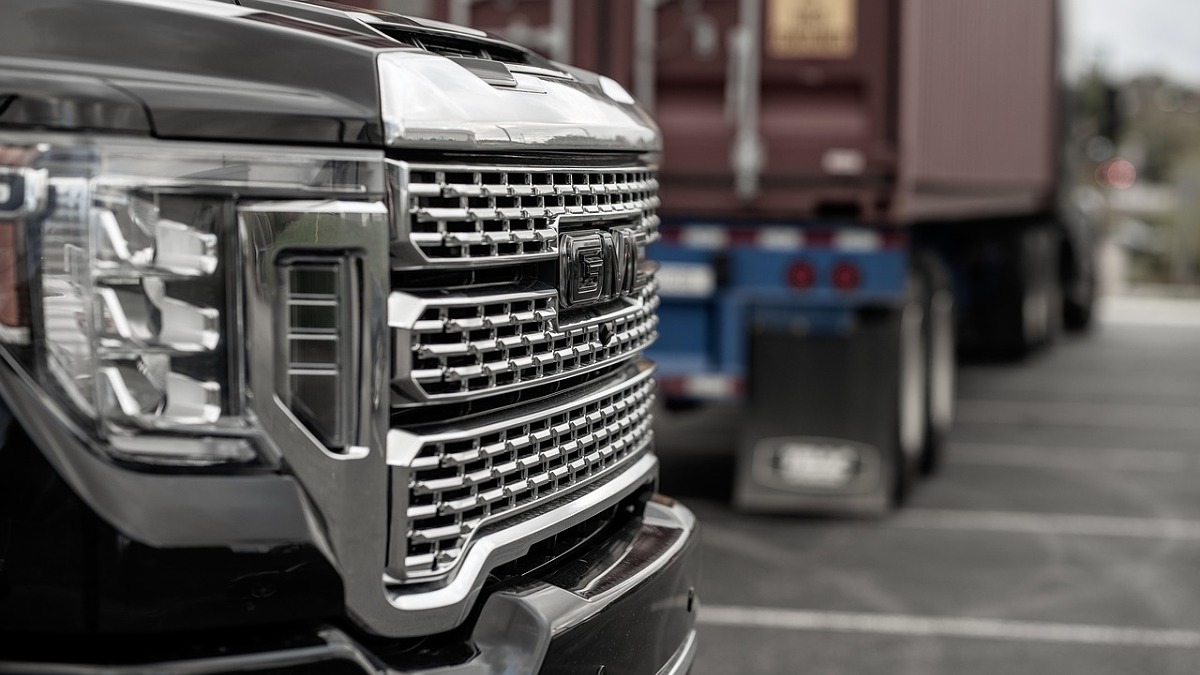

A Mississippi man says he is stuck making loan payments on a vehicle he cannot drive after a warranty company denied his engine repair claim, citing a pre-existing condition, according to Motor1. The man claims he paid $4,500 for what he understood to be full coverage on the day he bought the truck, but the company refused to pay out when he tried to use it just weeks later.
The story was shared by TikTok creator Burt Wallace, who goes by @burt5676 on the platform. Wallace said he purchased his vehicle from Legacy GMC in Laurel, Mississippi, and bought a warranty from AssureGuard on the same day. The video has since been deleted.
Wallace claimed he drove the truck for about a week before the check engine light came on, per Motor1. He then said he brought it to a nearby mechanic, who found low compression in cylinder number four and told him the engine needed to be replaced.
The claim process that ended with a pre-existing condition denial
Wallace said he filed a claim with AssureGuard after the mechanic’s initial inspection. He described the warranty as a “zero deductible, bumper-to-bumper warranty” that was supposed to take effect on the date of purchase. “It was supposed to be full coverage,” he said. “Anything that goes wrong, I was supposed to be covered.”
The mechanic, according to Wallace, ran a scope down one of the cylinders and found damage inside. He said AssureGuard was not comfortable approving the claim based on that alone and wanted more evidence. “So, the warranty company forced us to tear the engine down so that they could look in it,” Wallace said.
The shop agreed to disassemble the engine, which Wallace said cost $4,000 in labor. After the teardown, he said AssureGuard denied the claim. The company said the issue was a pre-existing problem, meaning it existed before the warranty took effect. Warranty disputes over pre-existing conditions are not unheard of; a Carvana customer who faced a $7,000 repair bill after her warranty company took unexpected action drew similar attention online.
“I don’t know who is at fault,” Wallace said. “As far as, was it a pre-existing problem or are they just trying to get out of paying for what I [am] paying them for? I paid them for the warranty the day I bought the truck. They got their payment, but now they’re trying to stop me from getting mine.”
Wallace said he reached out to both AssureGuard and the dealership for help, but neither took responsibility. “They’re all just telling me it’s not their problem. Sorry for your luck,” he said, recounting the responses he received. He ended the video asking viewers to help him get the story out. “So, I’m stuck with a vehicle that I’m paying payments on that I can’t drive,” he said.
Viewers who commented on the video apparently had mixed reactions. Several reportedly suggested Wallace seek legal advice, while others pointed him toward a TikToker known as CJ the Car Girl, who is known for helping people navigate car purchase disputes. “I bet she can help,” wrote one commenter.
Not everyone apparently sided with Wallace, however, as one commenter suggested the dealership bore responsibility for selling a vehicle with an existing problem, writing, “Your dealership should step up. They sold you that vehicle with that problem. That’s why the person before you traded it in. The warranty company is right.”
Another commenter appeared to suggest the denial was technically valid, writing, “Pre-existing problem is why you buy the warranty.” Dealership accountability has come up in other cases too, as one couple whose truck fell off a dealership lift overnight were reportedly told they would have to pay $12,000 for the damage.
According to AssureGuard’s website, they offer several automotive vehicle service contracts for pre-owned vehicles. These reportedly include plans such as the Powertrain Plus Vehicle Protection Plan, Essentials Vehicle Protection Plan, Vehicle Protection Plan, Absolute Lifetime Protection Plan, and Reserve Care Plus Plan.
A brochure associated with AssureGuard states that coverage is subject to limits and exclusions. “The contract covers repairs only of covered parts and only when they suffer a breakdown as defined in the contract,” the document states. The brochure does not appear to define what qualifies as a pre-existing condition or outline how the company investigates such claims.


Published: Jun 9, 2026 05:50 pm