It’s surprising there aren’t many films concerning the actual events that lead up to the fall of the USSR and communism. Especially considering how dramatic they are. It’s these exact events that are the focus of Christian Carion’s thriller Farewell (L’affaire Farewell). And his principle characters are two of the biggest names in European acting today, Serbian director Emir Kusturica, and French director Guillaume Canet (Tell No One). It’s a spy film, but these aren’t spies like James Bond, or Jason Bourne. These are real people, in really serious situations. And it’s a refreshing reminder of that fact.
Were it not for Eduardo Saverin's reportedly reluctant confiding in Ben Mezrich, the story of Facebook may never have been told. Mezrich eventually wrote the book 'The Accidental Billionaires: The Founding of Facebook: A Tale of Sex, Money, Genius and Betrayal,' which was optioned into the movie now known as The Social Network, directed by David Fincher. Facebook's CEO and co-founder has done his damnedest to stop the production of this film, and upon viewing it, it's easy to see why. But it leaves the question about who is getting an unfair wrap if the story is told mostly through Saverin's point of view. Does this matter? Absolutely not. And here's why.
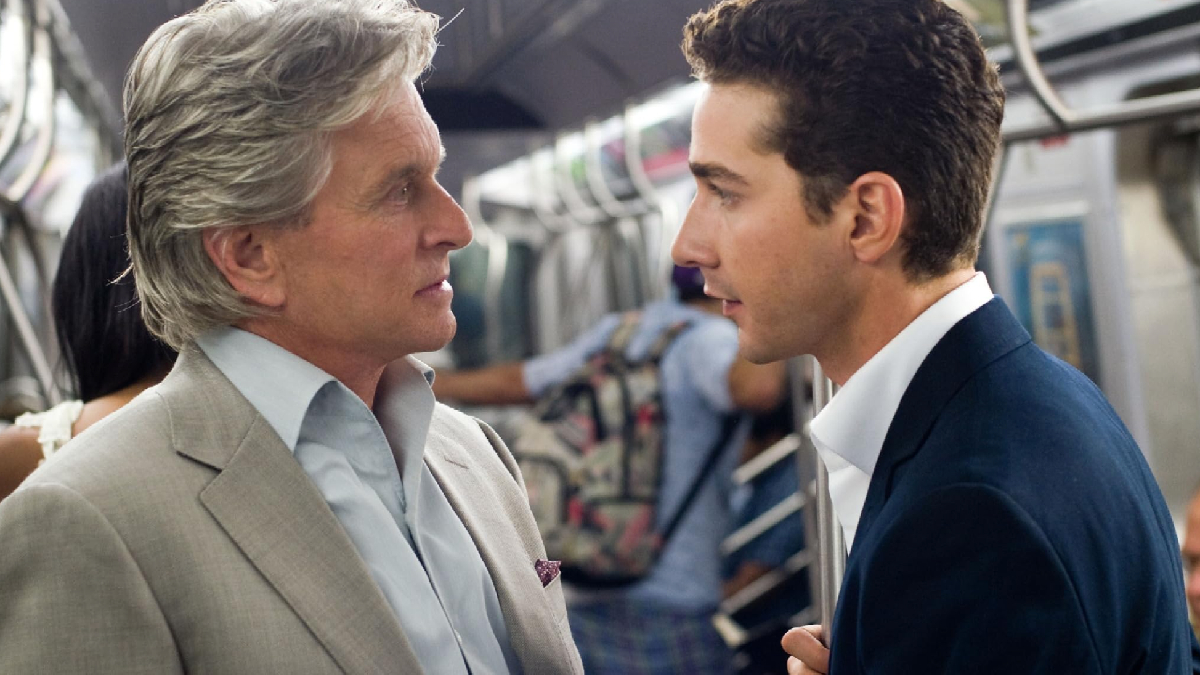
Updating a hit from the eighties may be Oliver Stone scraping at the bottom of a his proverbial barrel, but it seems that it works for him a bit. After years of hits and misses, well, mostly misses, it's a refreshing to have a film from the iconic director that doesn't totally suck.
For me, the name George Clooney brings to mind a few certain types of film: respectable romantic comedies, off-color comedies, and the occasional Oscar favorite. But I’m hard pressed to think of a Clooney film that really stayed with me, or even one I enjoyed watching more than once.
Although unfortunate (only because each film is so strongly individualistic), Samuel Maoz’s film Lebanon will undoubtedly draw comparisons to Kathryn Bigelow’s war drama The Hurt Locker. The comparisons are favourable, of course.
Even with a mind numbingly drab name like Easy A, Will Gluck’s latest film manages to transcend the mold of teenage cautionary tales while still providing some serious laughs and genuine moments. The choice of lead Emma Stone as Olive proves to be inspired, as her presence alone inspires forgiveness of any weakness in the film itself.
There are many movies that I scoff at, and look down on. If a friend unfamiliar with my movie pretensions asks if I’ve seen a film, like, say, The Last Song, I will make a disgusted face and proceed to tell him why I would never spend money on a film like that, let alone watch it for free. Charming, right?
It’s unquestionable that Devil was purposely marketing itself as an M. Night Shyamalan film. And I cannot understand for the life of me why they would do that. Is it an ego thing since the production company is owned by Shyamalan himself? Is the general public dumb enough to be shepherded into a film based on a pretty good film eleven years ago?