



In the mid-20th century, as medical evidence increasingly linked smoking to lung cancer, the tobacco industry raced for a solution to preserve its profits and image.
For one brand — Kent — that “solution” was audacious and deadly: a cigarette filter made of asbestos.
The rise of “Micronite” and the asbestos secret
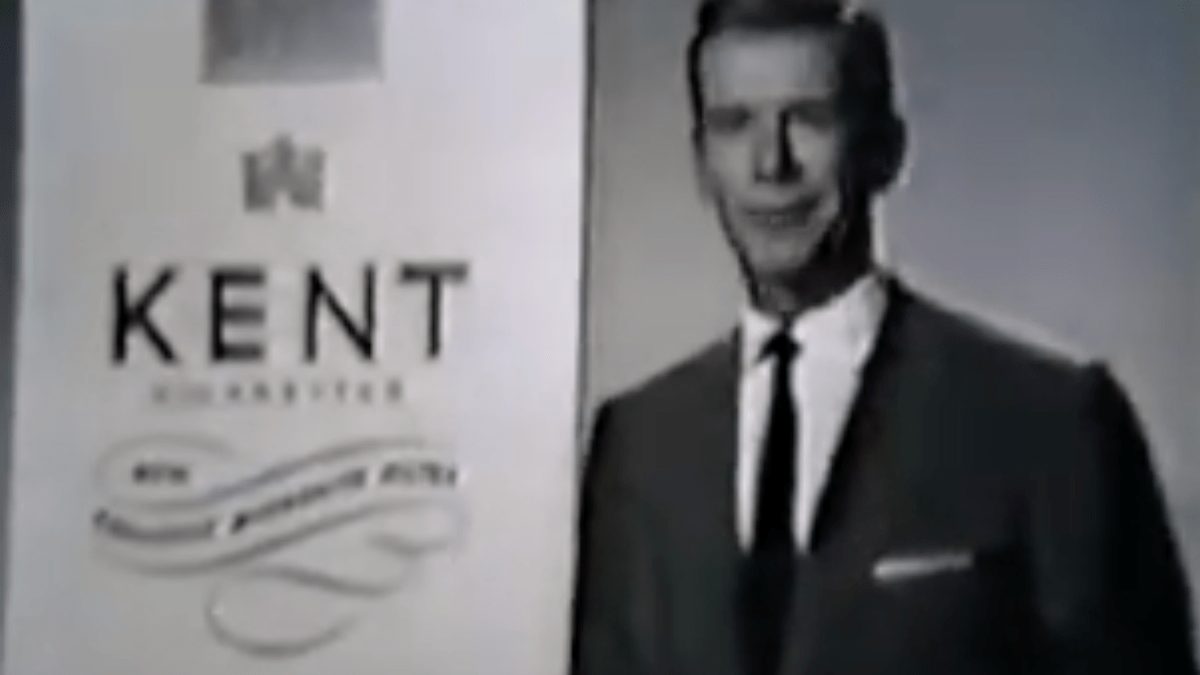
Kent cigarettes, launched by the Lorillard Tobacco Company in 1952, aggressively marketed themselves as the next generation of “safer” smoking. Their selling point was the so-called Micronite filter, a design claimed to trap impurities and protect the lungs.
But behind the marketing bravado lay a dangerous truth. From March 1952 until at least May 1956, the Micronite filter incorporated crocidolite asbestos (also known as “blue asbestos”) inside compressed crepe paper layers.
Crocidolite is one of the most hazardous forms of asbestos, strongly associated with mesothelioma, lung cancer, and asbestosis — a chronic lung disease caused by inhaling microscopic fibers.
Once lodged in the lungs, asbestos fibers can remain for decades, triggering inflammation and genetic damage that lead to cancer. Even short-term exposure can be harmful, and no amount of asbestos exposure is considered safe.
Researchers later confirmed that smoke from original Kent cigarettes indeed carried asbestos fibers, meaning those who smoked them inhaled the same carcinogenic material the company claimed would “protect” them.
Theatrical marketing vs. reality
Kent’s marketing campaign was just that — marketing. Lorillard sponsored “scientific demonstrations” to suggest that the Micronite filter was superior and health-protective, without disclosing the presence of asbestos. Advertisements even appeared in medical journals and in mass media to bolster claims of safety. The tagline touted the Micronite filter as offering “the greatest health protection in history.” As a result of this marketing, Kent sales skyrocketed: in its first four years, Lorillard reportedly sold approximately 13 billion Kent cigarettes.
By mid-1956, under mounting scrutiny and pressure, Lorillard quietly dropped the asbestos component and switched to a conventional cellulose acetate filter. Yet the damage had already been done. Decades later, numerous lawsuits have alleged that exposure to asbestos from Micronite filters contributed to mesothelioma and other cancers in former Kent smokers.
The legal fallout continues, with victims and their families seeking compensation for illnesses linked to Kent’s asbestos gamble. People who manufactured the filters and cigarettes were also heavily exposed to the asbestos dust and have filed separate, successful lawsuits. Moreover, the Kent-Micronite episode has become a symbol of how the tobacco industry manipulated science and public perception to fight off regulatory pressure, even at the cost of human lives.









Published: Oct 8, 2025 04:50 pm