


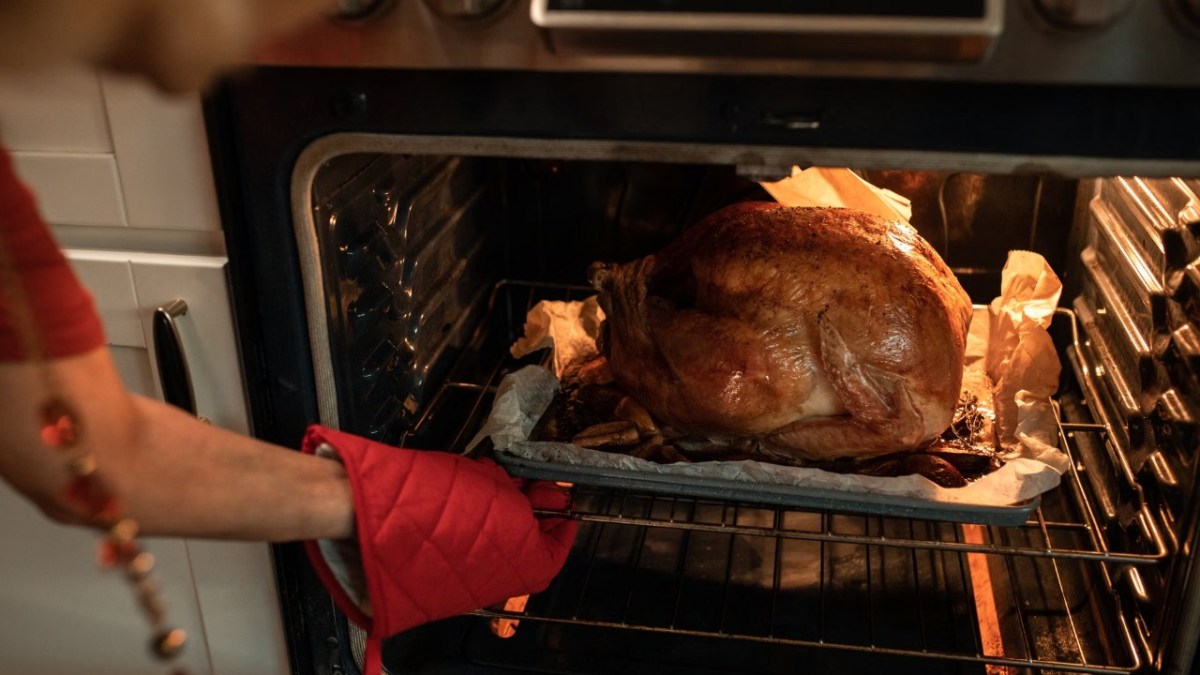

Travelers heading into Canada after US Thanksgiving cannot bring homemade turkey leftovers or other homemade poultry meals across the border, and failing to declare them could mean a penalty of up to C$1,300, or about $930, as reported by Newsweek. The rules are aimed at stopping the spread of highly pathogenic H5N1 avian influenza.
“Homemade food or leftovers containing poultry cannot be brought into Canada,” the Canada Border Services Agency said in its advisory. The rule applies to Americans visiting Canada and to Canadian residents returning home after celebrating in the US.
It is not a total ban. Commercially packaged grocery items such as frozen whole turkeys, rotisserie chickens, deli meats, eggs and packaged chicken breasts can still cross, as long as they are retail-packaged for human consumption and labeled “Product of the USA.”
A frozen turkey is fine, a turkey sandwich is not
According to the Canadian Food Inspection Agency, those products can come from any US state, regardless of outbreak status. The agency’s list of allowed items also includes raw table eggs, vacuum-packed raw chicken, frozen chicken strips or wings and hard-boiled eggs.
Restaurant food, leftovers, homemade food and poultry from roadside stands, farms or backyard flocks are all prohibited, along with meat sent by mail or courier. Cooked kibble or canned pet food with poultry is allowed only if the pet is traveling too, while raw pet food is never allowed for travelers.
The agency also allows live pet birds with official certification from the US Department of Agriculture. Travelers must declare everything they bring into Canada, and motorists are responsible for all goods in their vehicles.
As part of Canada’s response to bird flu, the CFIA set up new control zones in Alberta and Quebec on November 18. Mexico restricted poultry imports from Quebec the same day.
Hong Kong’s Centre for Food Safety announced on November 23 that it was suspending poultry meat and egg imports from the L’Île-d’Orléans Regional County Municipality in Quebec. It also suspended imports from four US counties after reports of H5N1, including Placer in California, Pierce in Washington, Gooding in Idaho and Clackamas in Oregon.
Travel between the two countries has been picking up despite strained relations, including tariffs and repeated 51st-state remarks from Donald Trump, Newsweek noted. Statistics Canada reported that Americans made over 1.53 million trips to Canada in October, up 8.1% and the ninth straight monthly increase. Travelers are also being advised to check border wait times before leaving, since construction at the Saint-Bernard-de-Lacolle crossing between Quebec and New York State may affect travel.








Published: Nov 26, 2026 10:00 am