


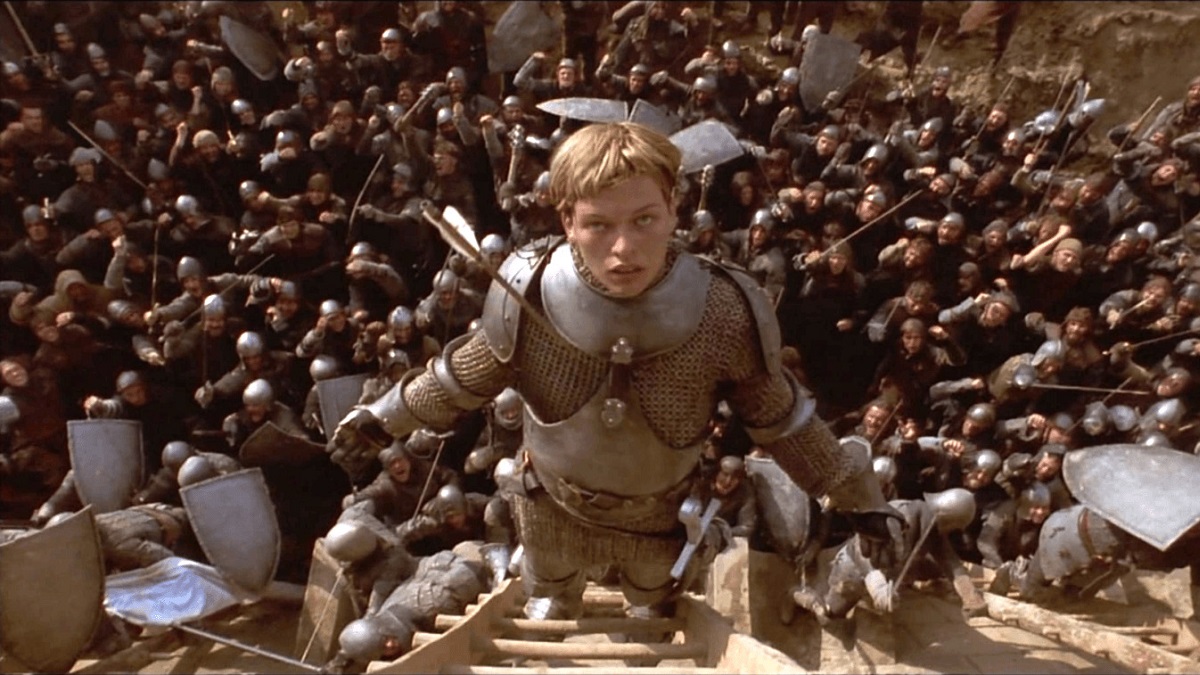

Everyone knows that the industry’s obsession with big budget historical epics was ignited by the critical, commercial, and awards season success of Ridley Scott’s Gladiator, but many of those very same people might well be completely unaware that The Messenger: The Story of Joan of Arc released just six months previously.
On paper, it possessed all of the same ingredients that made Russell Crowe’s Maximus and the movie that surrounded him a success; the period piece marked Luc Besson’s first feature since bonkers blockbuster The Fifth Element, it was based on one of history’s most famous figures, the production budget was a substantial $60 million, and the cast was packed to the brim with talent like Dustin Hoffman, John Malkovich, Faye Dunaway, Vincent Cassel, and Milla Jovovich following her breakout as Leeloo in Besson’s last film with her biggest lead role to date.
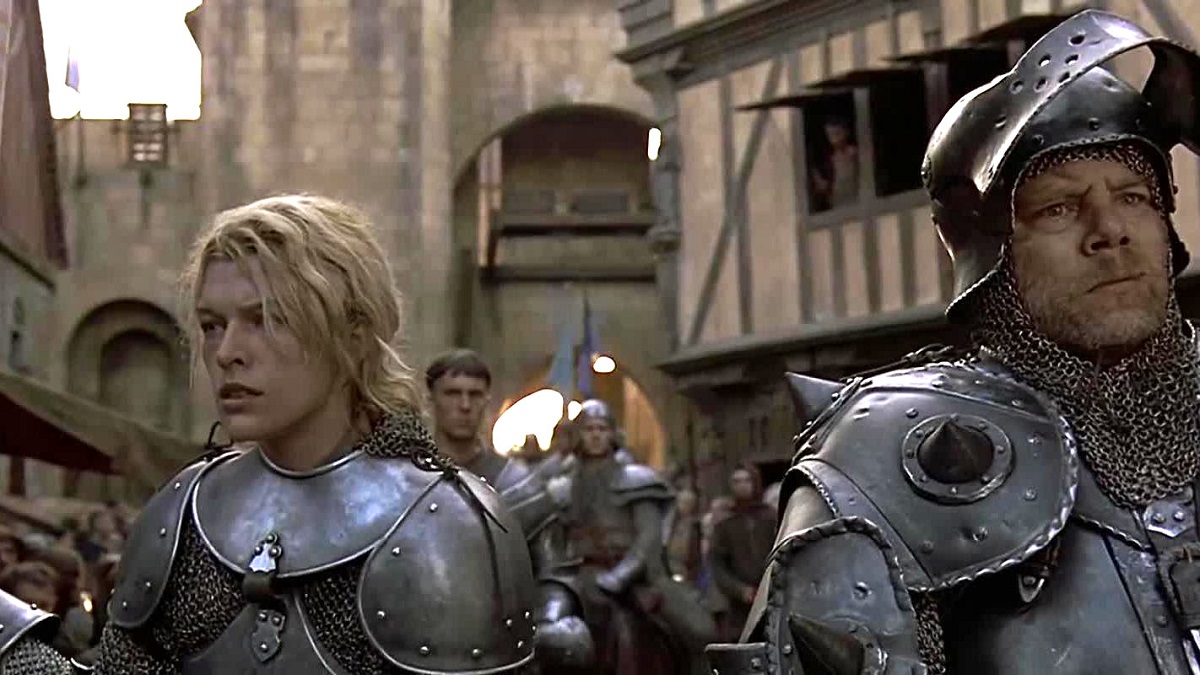
While there are no guarantees The Messenger would have fared any better had it hit theaters on the other side of Gladiator, it may not have bombed quite so hard given that the renewed interest in sword-swinging spectaculars generated its fair share of box office bonanzas.
Instead, The Story of Joan of Arc could only cobble together $67 million from theaters, matters that weren’t helped by middling responses from critics and divided reactions from historians and scholars. Of course, historical epics are always fair game for a streaming resurgence, so it was only a matter of time before this one came full circle.
Sure enough, The Messenger has made its contractually-obligated return to prominence on iTunes this week, with FlixPatrol naming it as one of the platform’s top-viewed titles. It’s by no means the best, but if you’ve got 158 minutes to spare and you’ve seen all of its contemporaries, then maybe it’s worth the time investment.

Published: Jul 10, 2023 12:51 pm