


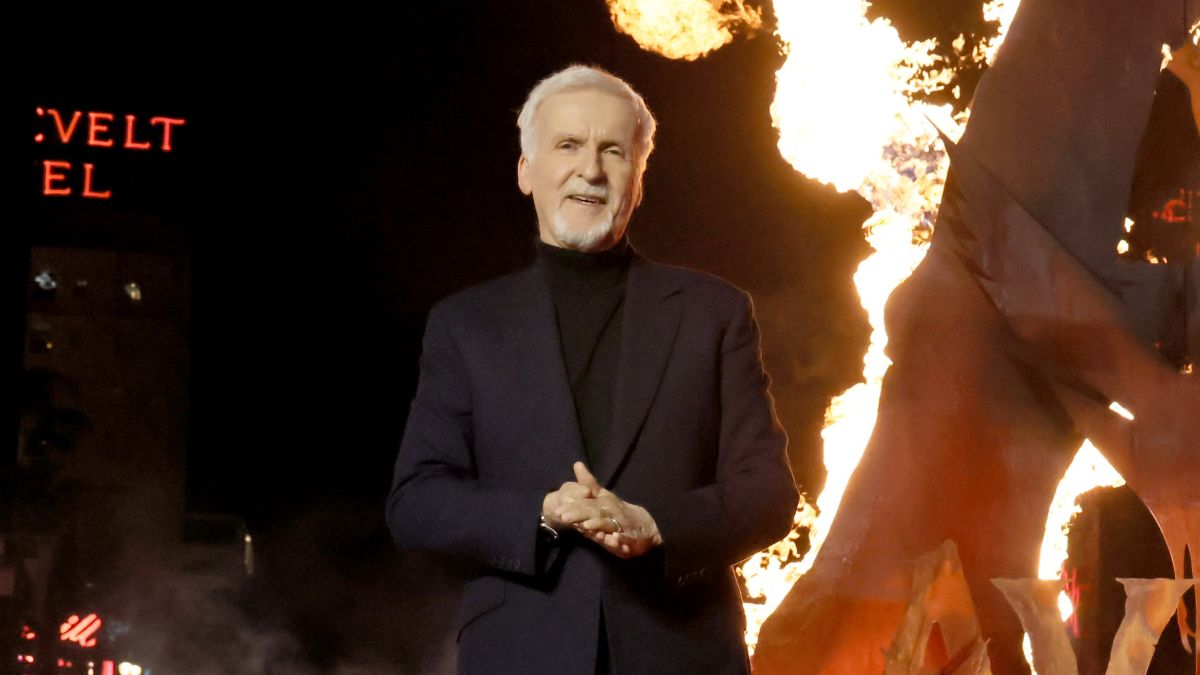
It’s been a difficult few weeks for Terminator: Dark Fate director Tim Miller, who’s seen the movie bomb at the box office, with the long-running franchise seemingly at risk of being retired. Miller’s recently been trying to explain some of the issues he faced with the picture though, which he’d intended to be a fresh take on the Terminator mythos, including problems with producer James Cameron over the finished product.
Now, however, the Deadpool director has pointed to a lack of female writers for the woman-centric movie as another reason for the film’s struggles. Although each had a varying role to play in the final product, Terminator: Dark Fate is credited to six different scribes: James Cameron, David Goyer, Justin Rhodes, Charles H. Eglee, Billy Ray and Josh Friedman.
When asked on the KCRW The Business podcast about the lack of diversity in this group, Miller admitted it may have hurt the film’s strong female themes:
“Yes. You’re right. You’re probably right. Although I will say that, at the time we had the scripts, it wasn’t three female leads. It was a blank slate. We hadn’t even, when we picked the writers, even Linda hadn’t decided to come back. So we didn’t know what it was. I wish that, in hindsight, yeah, we should have had a woman there, or two.”


In our opinion, it’s refreshing that Miller is willing to accept the wrong turns involved in the picture, and that he can take criticism of problems with the script from an early stage that could have been solved by bringing a woman onto the team. Indeed, Miller has long been defensive of Terminator: Dark Fate‘s focus on three strong female leads, and was attacked with potential backlash by misogynist trolls even before the film’s release.
Based on these comments though, it seems that Miller’s intentions were good in tackling a franchise that has powered on with a diverse range of sequels in recent years to diminishing returns. Of course, having more female writers on board is unlikely to have saved Terminator: Dark Fate at the box office, especially given the parallel failure of the Elizabeth Banks-written-and-directed Charlie‘s Angels. Although Banks has also thrown in the possibility of sexism and poor marketing for the latter film’s problems, it seems more likely that some franchises just aren’t appealing to audiences right now.
To this end, it’s unlikely we’ll see another Terminator entry for some time, though we’re still hoping Miller can bounce back from the disappointment.




Published: Nov 23, 2019 05:01 pm