


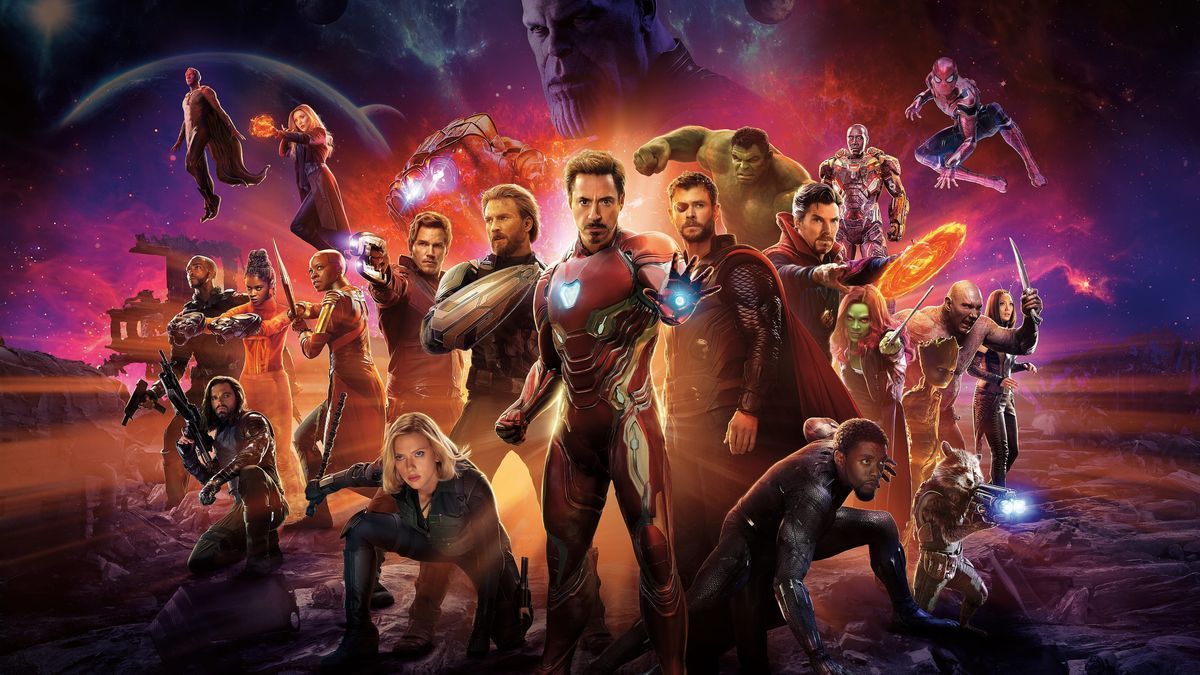
Dormammu and an Infinity Gauntlet-equipped Thanos remain the strongest contenders among the most powerful MCU villains. But a list built around the early Avengers movies misses threats such as Cassandra Nova, the Void and the version of Galactus introduced in The Fantastic Four: First Steps.
This ranking covers live-action MCU films and television, including the alternate universes those stories visit. Placement weighs demonstrated abilities, the scale of a character’s threat and the limitations that allow the heroes to survive. Equipment counts when a character actually uses it, so Thanos gets his completed Gauntlet and Surtur gets his Eternal Flame form. Animated variants and comic-only feats are excluded.
Cosmic antagonists such as Arishem and Death also qualify, even when their role is more complicated than conventional villainy. The order is an editorial judgment, not an official Marvel power chart.
Spoilers follow for the films and shows discussed, including Agatha All Along, Thunderbolts* and The Fantastic Four: First Steps.
12. Cassandra Nova
Cassandra’s ability to reach into someone’s mind makes physical toughness a poor defense against her. In Deadpool & Wolverine, her telepathy and telekinesis let her control encounters with people who are formidable fighters themselves.
Her limitations are just as important. Juggernaut’s helmet can block her mental abilities, and her attempt to destroy timelines requires the TVA’s Time Ripper. That plan makes her a potentially enormous threat, but it does not mean she can casually erase universes with her own powers. She earns this place for the abilities she demonstrates, rather than the full destructive potential of a machine she tries to hijack.
11. Hela
Hela destroys Mjolnir with one hand, cuts through Asgard’s defenses and leaves Thor unable to defeat her in a conventional fight. The speed and ease of those victories distinguish her from villains who need an army or a carefully prepared trap to threaten an Avenger.
Her connection to Asgard is both an advantage and a vulnerability. As Marvel’s screen biography explains, her power is bound to the realm. The solution in Thor: Ragnarok is to let Surtur destroy it. Hela dominates much of the film, but its ending gives a clear reason to place the fully restored Surtur above her.
10. The Void
The Void turns Bob Reynolds’ immense power into a threat that the Thunderbolts cannot solve by hitting harder. In Thunderbolts*, darkness spreads across New York and traps people inside experiences built around painful memories.
That is different from permanently deleting everyone he touches. As Time’s explanation of the film’s ending describes, reaching Bob and confronting that internal crisis is central to stopping the disaster. The Void ranks above Hela here because he can overwhelm a city while pulling opponents into a struggle they cannot win through ordinary combat. The film does not, however, demonstrate every extravagant power attributed to Sentry in the comics.
9. Alioth
Alioth makes the Void in Loki dangerous even for people who have survived being removed from their timelines. The enormous creature consumes what is sent there and guards the route toward the Citadel at the End of Time.
Marvel’s episode-five recap documents the key limitation: Loki and Sylvie can enchant Alioth together. That escape does not make it a minor obstacle. Most stranded people have neither their abilities nor their opportunity. Alioth’s scale and its ability to consume victims put it ahead of more localized threats, although successfully guarding a passage is not the same feat as independently destroying a universe.
8. Surtur
The Surtur Thor fights at the beginning of Ragnarok would not rank this high. The restored version, empowered by the Eternal Flame, is a different proposition.
That Surtur destroys Asgard and overwhelms the conflict that Thor cannot resolve against Hela. His inclusion depends on this specific transformation, rather than treating his weaker and stronger appearances as interchangeable. He places above Alioth because the film shows the completed destruction of a realm, not just the threat of it. His size and destructive reach are extraordinary, but the MCU has also introduced enemies who can change reality without needing to strike it with a sword.
7. Scarlet Witch
Wanda’s role in Doctor Strange in the Multiverse of Madness puts her on the villain side of this particular comparison. She breaches Kamar-Taj’s defenses and dismantles the Illuminati with a combination of chaos magic, mental attacks and reality-altering power.
The versatility gives her the edge over Surtur here: she can attack the rules of an encounter as well as the person in front of her. Still, her pursuit across universes depends on specific mechanisms, including Darkhold-enabled dreamwalking. She is not shown traveling anywhere and rewriting everything without restriction. Her place reflects that antagonistic phase of her story, rather than a claim that every version or appearance of Wanda is villainous.
6. Ego
Ego’s human appearance conceals the scale of the actual opponent. His planetary body gives him an environment he can reshape, while his Expansion threatens worlds far beyond the one where the Guardians confront him.
There is a crucial condition: he needs Peter Quill’s Celestial power to complete that plan. Marvel’s account of Ego’s abilities and defeat also identifies the vulnerable core that makes killing him possible. The Guardians do not have to destroy every piece of a limitless, indestructible being. Ego ranks this high for the reach of his attempted Expansion, but comparisons with comic-book Galactus or claims that he can always reform after death go beyond the screen evidence.
5. Galactus
The Fantastic Four: First Steps introduces a threat whose relationship with a planet is fundamentally different from a conqueror’s. Galactus consumes worlds. Earth is something he intends to feed on, rather than a territory whose population he needs to rule.
The Fantastic Four’s solution depends on removing him through a portal, with the Silver Surfer’s intervention helping make it possible. They do not establish that they can kill him in a direct fight. That makes the escape a demonstration of ingenuity, rather than proof that Galactus is physically weak. This placement applies to the version in the 2025 MCU film, without importing the power levels of every Galactus story Marvel has published.
4. Arishem
Arishem is an antagonist on a scale that makes the heroes’ normal victories feel precarious. In Eternals, he controls the mission behind the Eternals’ presence on Earth, reveals the purpose of Celestial emergence and later removes surviving Eternals from the planet for judgment.
His position above Galactus reflects that cosmic authority and the scale of the system he oversees. It is a closer, more debatable comparison than Hela versus Surtur: the MCU has not staged an Arishem-Galactus fight. Nor does Arishem’s appearance establish that he can erase any universe at will. What makes him frightening is how little the heroes can do when he arrives to demand an account of their actions.
3. Death
Rio Vidal’s identity in Agatha All Along changes the nature of the threat. Agatha is dealing with Death herself, not simply a witch with more experience or a larger supply of magic.
Showrunner Jac Schaeffer explained in an interview with TheWrap that Agatha cannot survive absorbing Death’s power. The show also presents rules, negotiations and personal attachments that complicate how Rio acts. Those restrictions matter: being Death does not prove that she wins every imagined fight automatically. She takes this spot because the heroes cannot treat her as an ordinary mortal enemy, while her rank below the top two reflects how much of her wider capability remains unexplored onscreen.
2. Thanos with all six Infinity Stones
Thanos has the strongest completed, universe-wide destructive feat on this list: using the six Stones to eliminate half of all life. Before that, he uses individual Stones to alter reality, move through space and reverse Vision’s destruction so he can claim the Mind Stone.
Marvel’s screen biography distinguishes those artifacts from his already formidable physical strength. The distinction is essential. Thanos without the Stones belongs much lower in this comparison, even though he can beat Hulk in hand-to-hand combat.
The Gauntlet also creates opportunities for opponents who can restrain his hand or separate him from it. He is devastatingly powerful with the complete set, but possession and use of that set remain conditions of this ranking.
1. Dormammu
Dormammu gets the top spot because Strange cannot defeat him through greater force. Inside the Dark Dimension, the confrontation is so unequal that Strange turns repeated death into a bargaining strategy.
The Time Stone provides the loophole. By trapping Dormammu in a repeating encounter, Strange makes continuing the confrontation intolerable and secures Earth’s release. Marvel explicitly acknowledges that powerful artifacts can constrain him, so the scene is not evidence of absolute invincibility.
There is a strong case for putting Thanos first on demonstrated universal impact alone. Dormammu narrowly wins this ranking because he rules an entire dimension and the hero’s successful response is negotiation under a magical constraint, rather than a credible attempt to overpower him.
Why isn’t Doctor Doom ranked?
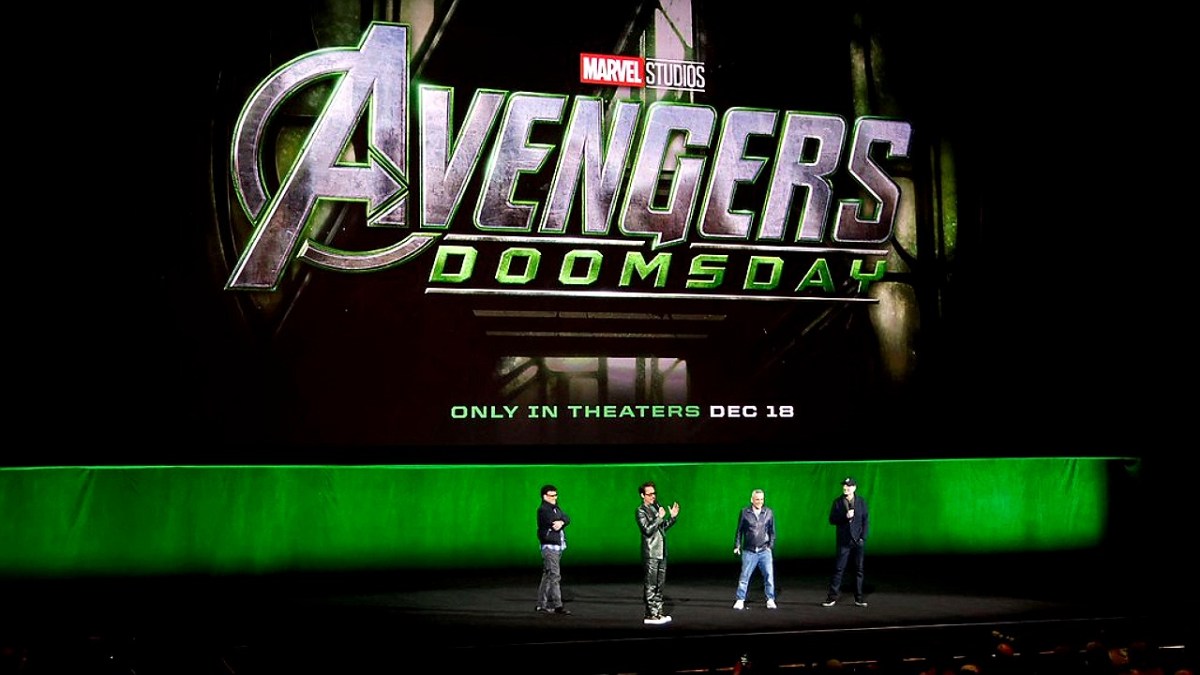
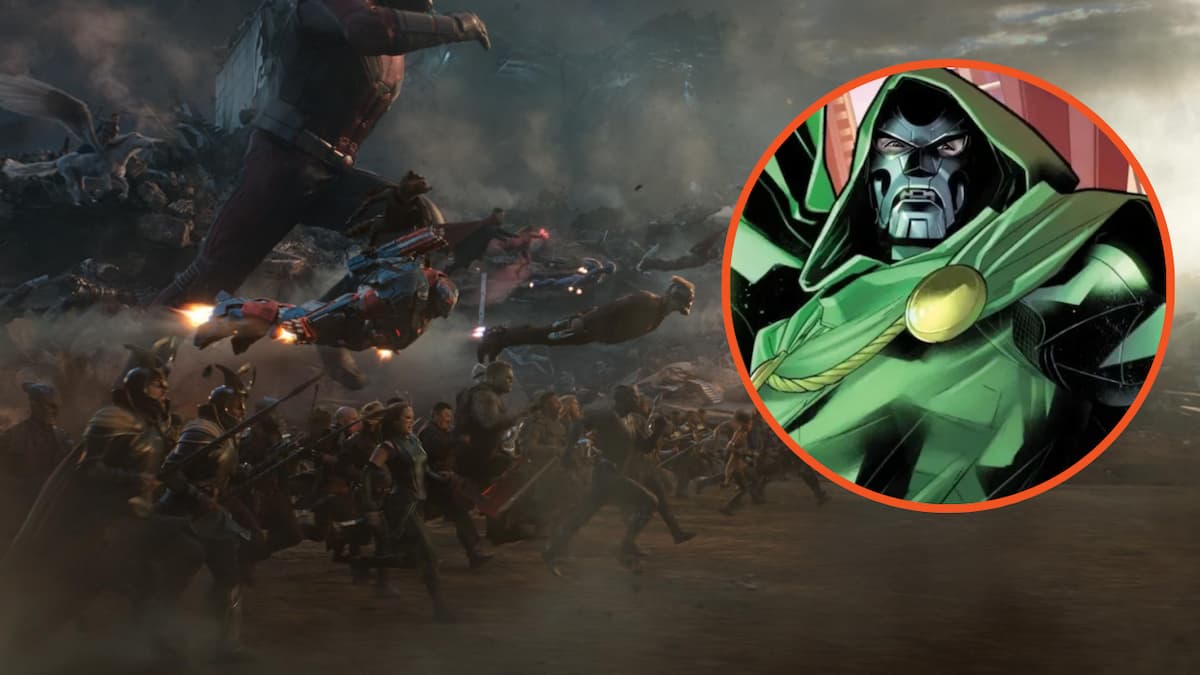
Comic-book achievements cannot stand in for MCU feats. As of November 13, 2026, Avengers: Doomsday is still scheduled for December 18, 2026. Doom’s established role in the comics, especially the story behind Secret Wars, gives him enormous potential. It does not yet supply enough demonstrated MCU power to assign him a place above characters whose major confrontations have already happened.





Published: Feb 15, 2022 10:55 am