


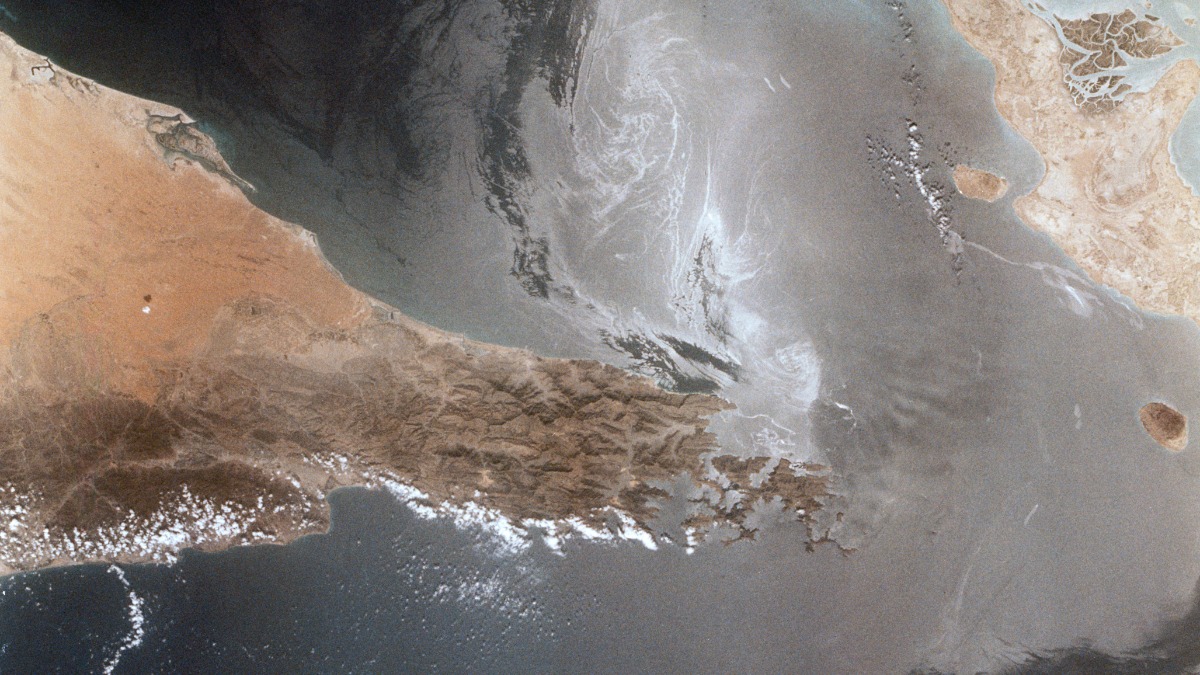

Iran‘s Islamic Revolutionary Guard Corps (IRGC) has offered European and Arab nations free passage through the Strait of Hormuz, but with one condition: they must expel all diplomats representing the United States and Israel from their capitals. The IRGC laid out this policy during a broadcast on state television, putting a heavy diplomatic price on regional navigation.
Iranian military officials made it clear that any nation willing to remove those ambassadors would be guaranteed full freedom to transit the waterway. The Strait of Hormuz is a critical route for international energy markets, connecting Middle Eastern oil producers to the rest of the world.
It currently handles about 20 percent of the world’s daily oil shipments, meaning any disruption there has serious consequences for global supply chains. By offering this “free pass,” Iran is trying to put diplomatic pressure on countries that depend heavily on these energy imports. Tehran says this proposal is a direct response to recent moves by the United States.
Iran’s Hormuz offer forces countries to choose between US ties and their energy supply
This ultimatum forces foreign governments to choose between keeping their established diplomatic ties with Washington and Israel or ensuring their vital energy supplies can move safely through the Gulf.
The IRGC statement left no room for doubt: only nations that comply with this condition would be able to bypass the broader shipping threats. The conflict has already begun pulling in uninvolved regional nations, making this ultimatum even harder for smaller countries to ignore.
Iran recently appointed a new supreme leader, but this change has not softened the country’s approach toward the West (especially not now!). The new leadership and the broader IRGC command remain firmly committed to their existing policies regarding the US and Israel. They have shown no interest in scaling back their demands.
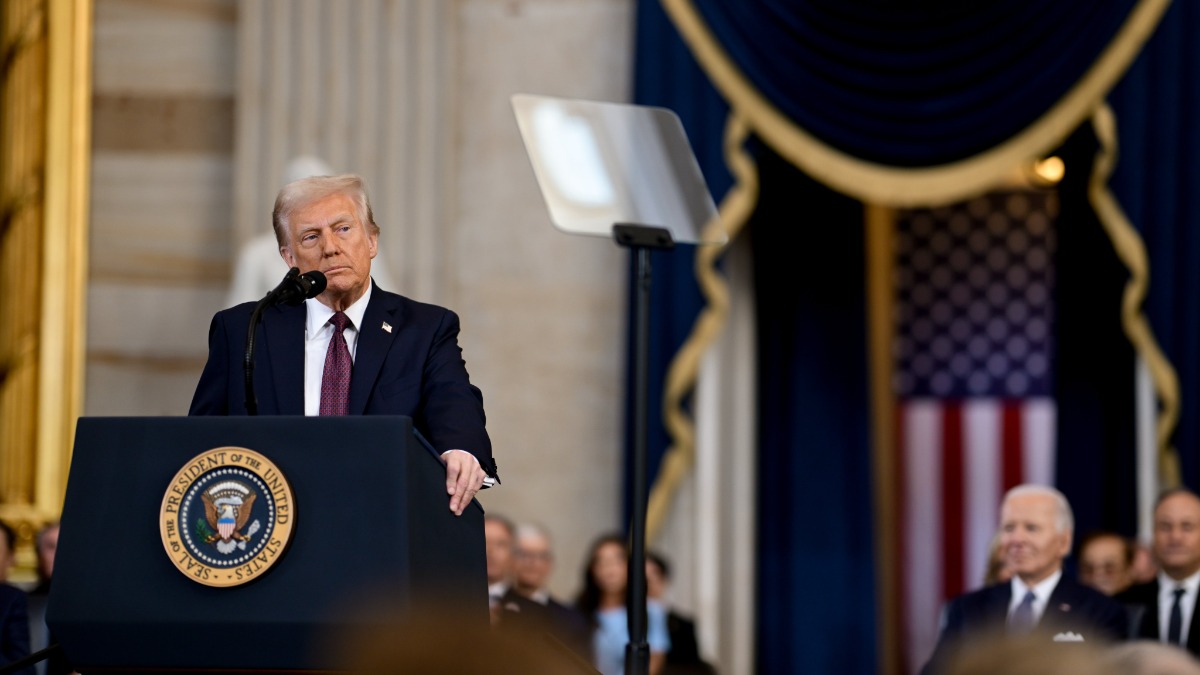
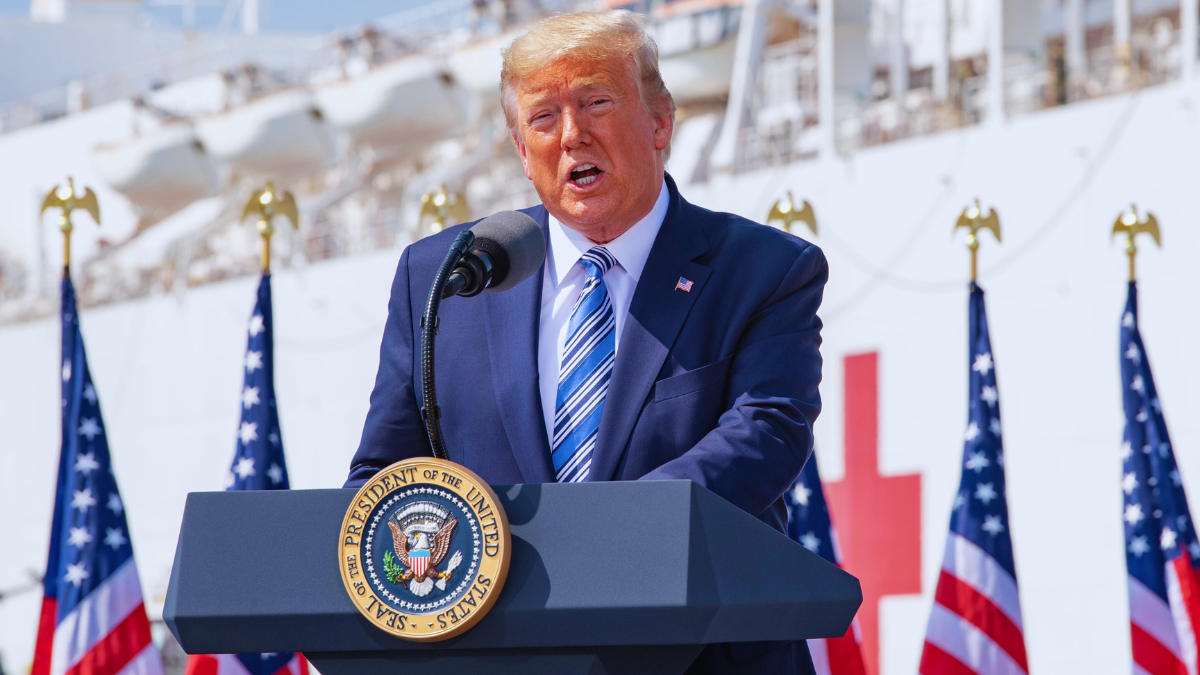
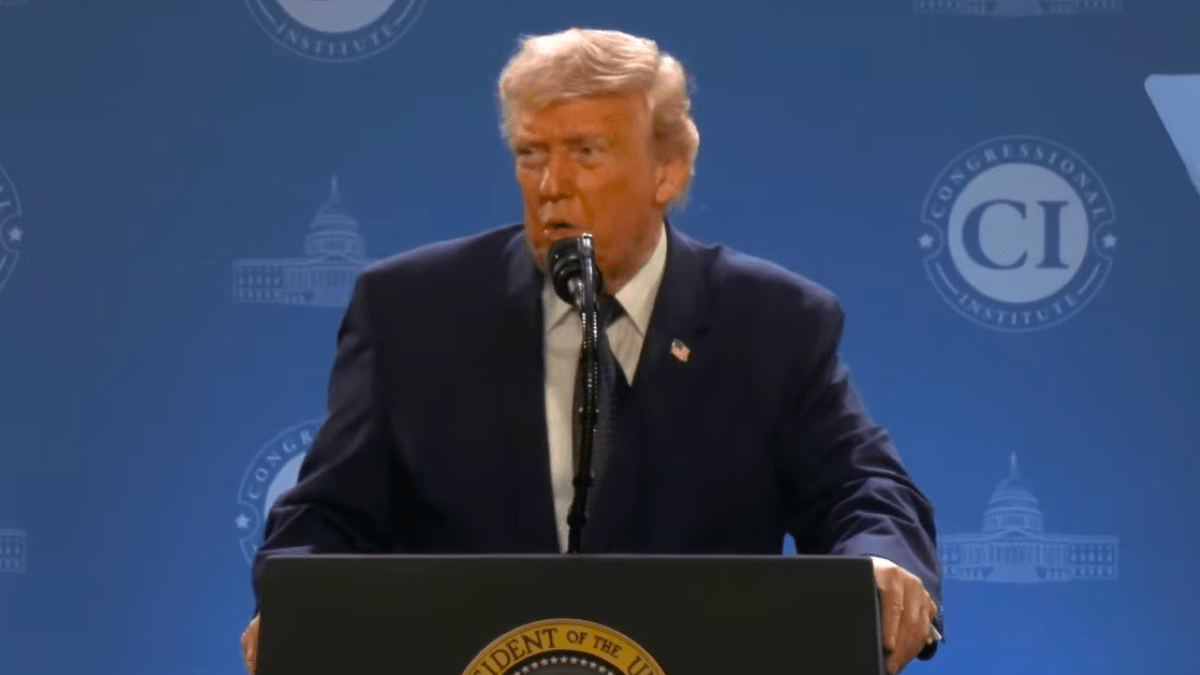
Airstrikes are still happening daily across the region, which puts Trump’s recent statements about the conflict winding down out of step with what is actually happening on the ground. Trump has insisted a resolution is near and recently stated that he has achieved victory in many respects. However, there are disputed claims over US military casualties in the region, adding another layer of tension to an already complicated situation.
The new supreme leader’s early actions suggest Tehran is preparing for a longer fight, which leaves global shipping vulnerable to this unresolved dispute. This clashes directly with the picture Trump has been presenting to the public about the state of the conflict. The gap between his statements and the situation on the ground continues to grow.
With no real change in military strategy on either side, and Iran doubling down on its demands, the Strait of Hormuz remains a pressure point that could affect energy markets worldwide. Countries that depend on Gulf oil now face a stark and uncomfortable choice, with no easy way out of the situation Iran has placed before them.




Published: Mar 10, 2026 11:00 am