


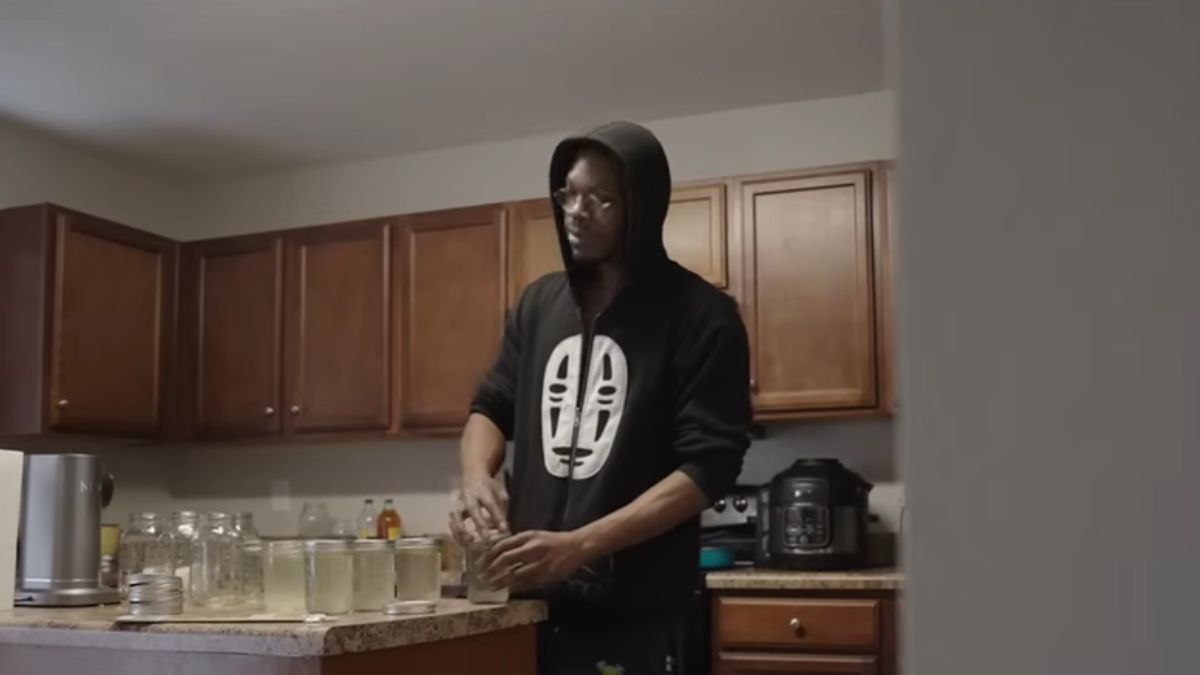

Romeo Crenshaw, an Army veteran living in Charlotte, North Carolina, was facing eviction and near-homelessness despite paying his $3,250 monthly rent on time every single month. The money he was sending, which he believed was going to his landlord, never actually reached them, according to court records.
According to The Sun, the trouble started in early December when Crenshaw was at work and received a frantic call warning him that Mecklenburg County Sheriff’s Office deputies were at his home ready to evict him. He was told his dog could be taken to the pound if he didn’t return within the hour.
Crenshaw was completely blindsided. “Why didn’t y’all tell me that y’all were coming?'” he said. “They were like, ‘Well, the sheriff said he put a letter on your door.’ I had no letter.” The eviction made no sense to him because he had been consistently sending rent to the person managing his lease. But court records told a different story, showing rent unpaid for the exact same period Crenshaw had covered.
A middleman company with a troubled history took veterans’ rent money and left them facing eviction
To find help, Crenshaw turned to Veterans Bridge Home, a large Charlotte veterans nonprofit, which connected him with Karen Blackmon, owner of Our Hearts Our Heroes. The company acted as a middleman, helping veterans like Crenshaw who couldn’t secure apartments on their own.
Veterans Bridge Home funneled over $200,000 in taxpayer funds to Blackmon’s company for veterans’ housing payments, before cutting ties with her in late 2024 after other veterans raised concerns. Cases like this are part of a broader pattern of veterans being failed by those in power.
Blackmon had helped Crenshaw arrange his apartment by fall 2025, and text messages show she specifically directed him to send rent payments to one of her contacts. CashApp receipts confirm he made those payments.
Yet he was evicted anyway. Weeks before his own eviction, Crenshaw said he watched another veteran go through the exact same situation, evicted despite paying rent to Blackmon as instructed.
After his eviction, Crenshaw spent months quietly pressuring Blackmon to repay him rather than going public. Text messages show she repeatedly promised to send money, but of the $3,250 he paid, he initially received only $100 back. “Sending you some money today,” Blackmon texted him in February. His reply the next day: “It is now tomorrow Karen. What am I supposed to think?” This back-and-forth continued for weeks with no full repayment.
Crenshaw eventually received a full payment after reaching out publicly. But Blackmon also pressured him to stop his story from being reported, even attempting to draft a message for him to send to the outlet.
He refused. “I want you to report this,” he said firmly. Blackmon later stated, “The matter concerning Romeo Crenshaw has been resolved following a clarification of the miscommunication.” At a time when the U.S. military faces growing political pressures, stories like Crenshaw’s raise serious questions about how well veterans are truly being protected.
Blackmon’s company, Our Hearts Our Heroes, is named in at least 18 evictions in Mecklenburg County. Blackmon herself owes hundreds of thousands of dollars in court judgments going back to the early 2000s. Despite this history, she opened multiple LLCs in North Carolina over the years and received over $200,000 in grant money meant for veterans’ rent payments.



Published: Mar 24, 2026 02:13 pm