


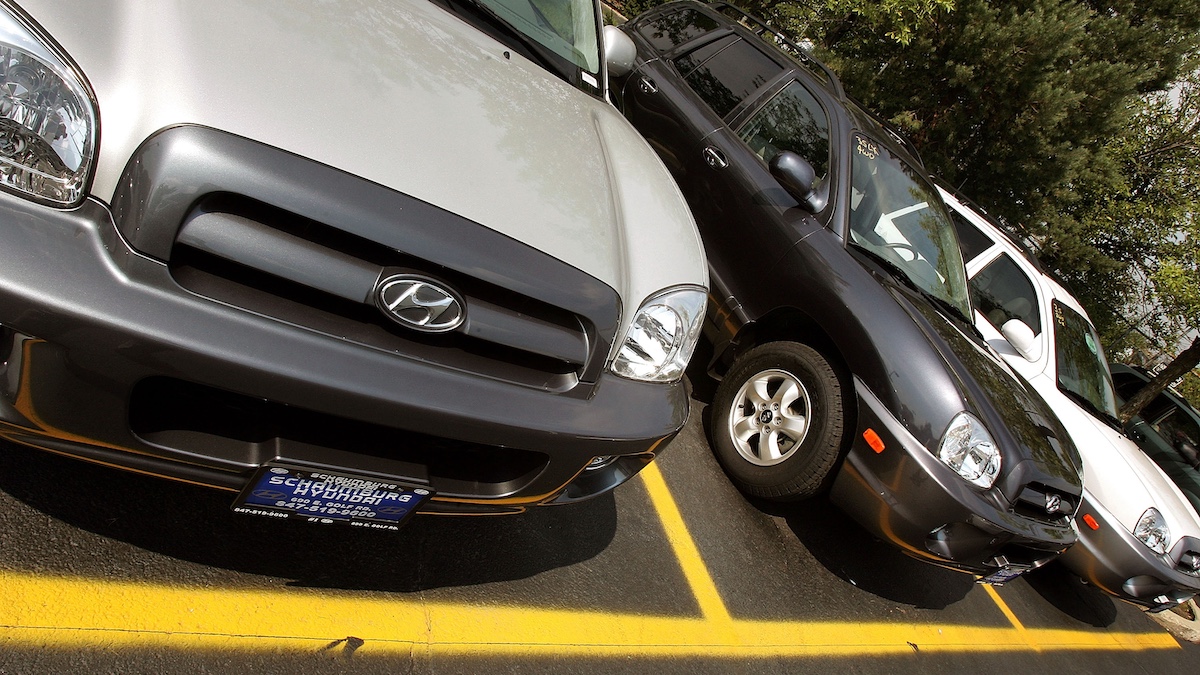

A Chicago-area man says a vehicle purchase from a suburban car dealership unraveled within days, ending with a disputed swap, conflicting explanations, and a threat that could affect his credit report for years.
In a Reddit post, the buyer said he purchased a truck from a dealership outside Chicago, only to experience serious mechanical problems almost immediately. Within the first week, the engine light came on, and the transmission started to act up, he said.
The buyer contacted the dealership and says he was told to bring the truck back. According to his account, dealership staff offered him the option to exchange the vehicle rather than repair it. Instead, he chose a cheaper vehicle to reduce risk and lower his monthly payment.
“At this point, I just wanted something that was cheaper but ran well so I could pay it off faster,” the buyer said. He noted that he had put zero money down on the original truck and believed the exchange for a lower-priced vehicle would not require additional cash. That understanding changed the next day.
The first truck, repaired
The next day, the buyer says the dealership called to say there had been a mistake in the numbers and that a down payment would now be required for the replacement vehicle. When he refused to agree to the new amount, the dealership asked him to return the car, which he did.
Once back at the dealership, the situation took another turn. The buyer claims a salesperson told him the original truck had been repaired and that he was now required to take it back. He refused, saying a repair was never discussed and that the dealership had already approved an exchange.
According to the post, the salesperson then threatened to report the situation as a voluntary repossession if the buyer did not take the original vehicle. Such a designation can have long-lasting consequences for a consumer’s credit profile.
“What should I do in this situation?” the buyer asked, adding that he had been unable to reach a live representative at his finance company, Westlake Financial, despite repeated attempts.
“Different cars book out differently”
Commenters pointed out that financing terms often depend on credit profiles and vehicle values. One response noted, “Different cars book out differently,” adding that buyers rebuilding credit can face stricter terms from lenders. The commenter also warned that signed paperwork matters most: “If you signed paperwork on the first truck and not the second then you need to take the first one after the repair.”
The buyer responded that he believed he was following dealership policy. “I was told that I had 15 days to bring the car back if anything was wrong [with] the car,” he wrote. “I thought that they were just going to fix it but he explained to me that he’ll exchange the car out so I went for a cheaper car a 2018 Hyundai Santa Fe that ran good.”
Other commenters were more critical of dealership practices, alleging that some lots only address warning lights superficially. “Unfortunately it’s SOP [Standard Operating Procedure] for dealerships to just clear engine codes while doing f—all to actually fix the car,” one wrote, advising buyers to use an OBD-II scanner during test drives to verify the vehicle’s condition. For this Chicago-area buyer, the outcome could hinge on paperwork details and whether a reported repossession ever hits his credit.



Published: Jan 14, 2026 09:06 am