



Tesla’s ambition to achieve true autonomy faced a literal “sink or swim” moment this week after a safety failure reignited viral debate over its camera-only vision system.
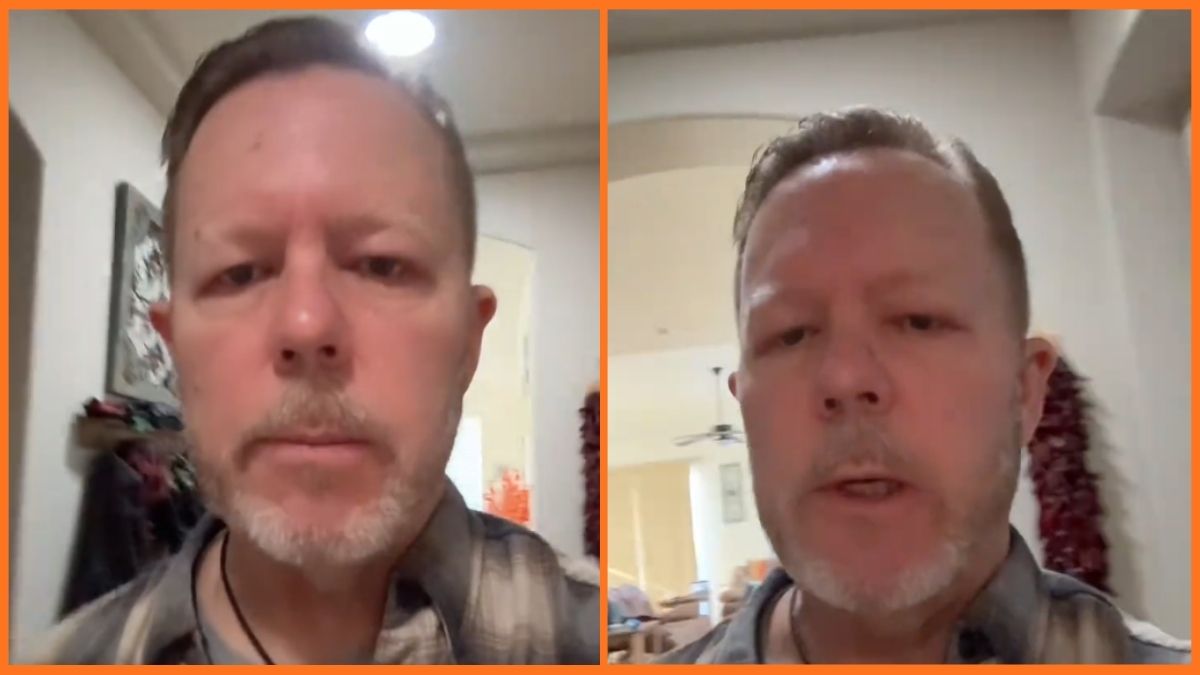
Daniel Milligan, who previously worked as an equipment reliability engineer at SpaceX, posted a video on X showing his Tesla making an unexpected turn down a boat ramp and toward water with “Full Self‑Driving” engaged.
The footage, which has drawn millions of views, shows the vehicle successfully navigating the primary intersection before misidentifying a boat launch as a throughway. Instead, the system steered onto a ramp leading directly into a lake before Milligan intervened and took control by braking.
In his caption, he wrote, “My Tesla tried to drive me into a lake today!” and included the FSD version number his vehicle was running. Comments noted a similarity to a certain Office episode.
Milligan then shared a follow‑up video demonstrating the pattern was “repeatable” at night: when given the same destination under similar lighting conditions, the car again veered toward the water. In daytime conditions, he reported, the system correctly navigated the same route
What is Tesla’s full self‑driving, and how does it work?
Despite its name, Tesla’s FSD does not make its vehicles fully autonomous. Instead, the system remains an advanced driver‑assist feature that requires continuous driver supervision and readiness to take control at any moment.
Tesla’s recent move to a subscription-only model in February 2026 coincided with a permanent rebranding of the software to “Full Self-Driving (Supervised),” aligning the product with the $99 monthly ‘software-as-a-service’ model while providing a crucial legal buffer. By embedding “Supervision” directly in the product name, Tesla is attempting to shift liability for failures, such as Milligan’s boat ramp misidentifications, onto the subscriber.
Meanwhile, the National Highway Traffic Safety Administration (NHTSA) has been investigating Tesla’s FSD and Autopilot features for various safety issues, including vehicles running red lights or entering wrong lanes. The probe covers millions of vehicles reportedly involved in incidents connected to automated driving features.
Musk: FSD “feels like magic”
Referring to FSD, Elon Musk wrote on X, “Yup, feels like magic when you first use it.” He has also claimed that, with the feature, drivers could one day text behind the wheel.
In 2022, Musk wrote on X, “FSD Beta 9.2 is actually not great imo, but Autopilot/AI team is rallying to improve as fast as possible. We’re trying to have a single stack for both highway & city streets, but it requires massive NN retraining.”
Thankfully, Milligan’s OK, but if his experience proves true, Musk’s company still has work to do. A Milligan comment noted, “Glad people like you manage to get their experiences out. We really need more like that and not only the Tesla ‘influencers’ who keep repeating FSD is perfect. NO it is obviously not and getting this points out can make FSD better.”

Published: Feb 18, 2026 04:01 pm