


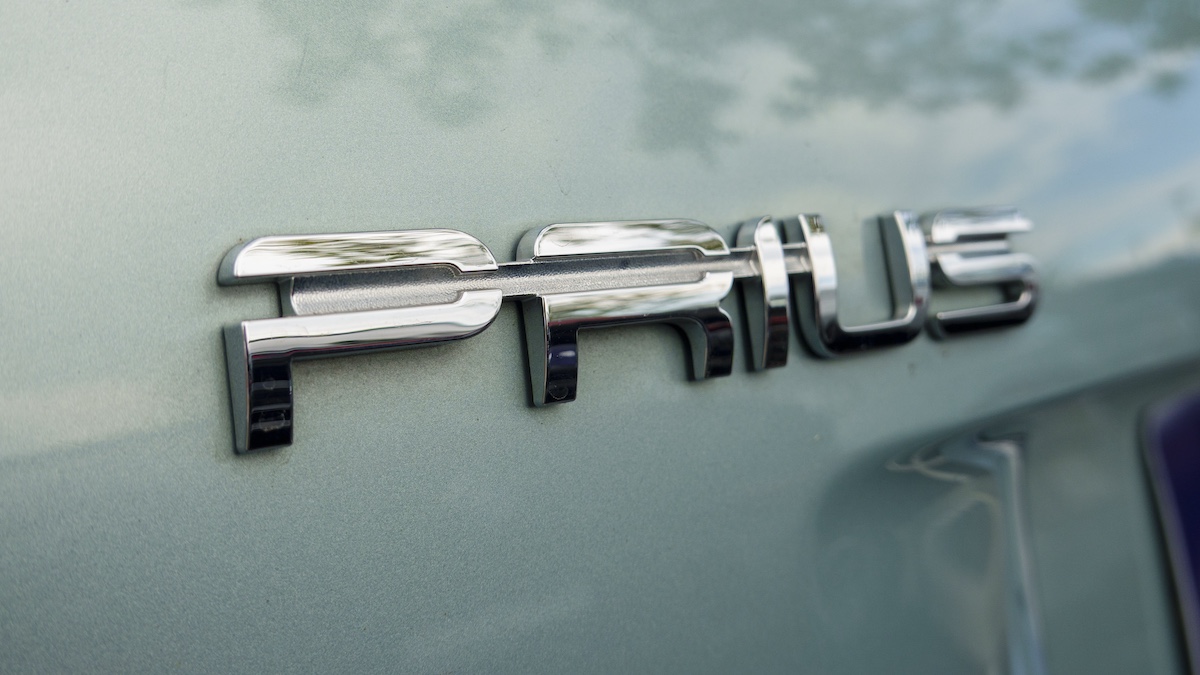

A California car buyer says they were shocked after discovering that a $15,000 down payment — plus a $2,000 trade-in — appeared to have little impact on the balance of their Toyota Prius auto loan, suggesting they may have inadvertently paid about $45k for $28k vehicle.
The buyer detailed the experience in a Reddit post, describing the purchase of a new Prius. According to the post, the buyer believed the vehicle’s price was $28,990 and financed the purchase through Toyota. In addition to financing, they put down $15,000 in cash and traded in their old car for about $2,000, for a total upfront contribution of roughly $17,000.
Months later, while reviewing their credit report for the first time, the buyer noticed something alarming: the auto loan still showed a balance of $28,990. “I’m dumbfounded and unsure what to do,” the buyer wrote, asking whether the situation was normal and if it could be fixed. Someone responded, “Someone got paid on this deal.”
The case of the missing $17k
Commenters urged the buyer to scrutinize their paperwork, pointing out that a legally binding purchase contract, truth-in-lending disclosure, and other financing documents would spell out exactly how the numbers were calculated. One commenter asked whether the buyer had negative equity rolled in from their trade-in or whether they had reviewed the total “out-the-door” price.
Some commenters cautioned that loan figures can sometimes reflect total payments over time, including interest, noting that “it’s really tough to say without seeing your contract.” Others suggested contacting the dealership’s finance and insurance department to request a detailed explanation, pointing out that total payment amounts often include interest charges.
In response, the buyer said their trade-in was fully paid off and confirmed that the contract explicitly listed $28,990 as the financed amount.
Mystery solved
But after going back through the documents in detail, the buyer said they finally understood how the discrepancy occurred. According to the update, the buyer purchased a base-model Prius LE, which at the time carried a sticker price of about $29,000. However, negotiations never centered on that figure. Instead, the salesperson focused almost entirely on monthly payments.
“They asked me about what I want my monthly payments to be, but never verbally stated a price to me,” the buyer wrote.
Paperwork later revealed that the dealership sold the car for roughly $36,000 — about $7,000 above sticker — before adding optional products such as warranties, licensing, and registration. California taxes and fees added another $5,000. In total, the buyer says the final cost climbed to around $45,000, with their substantial down payment effectively absorbing the inflated price and fees, leaving $28,990 to be financed.
The buyer also said confusion during the signing process played a role. They allege the line showing the actual vehicle sale price was stapled over, preventing them from seeing it clearly. When they saw the $28,990 figure, they assumed it referred to the total cost of the car rather than the loan balance.
“The financier was going pretty quickly for signing,” the buyer wrote. “When I saw that price, I thought it was the total price of the car, not what was being financed.”
Still, the buyer ultimately concluded that the numbers were accurate and that the outcome stemmed from a lack of price negotiation and inexperience with traditional dealerships.
“I’ve never bought from a dealership before,” the buyer wrote, adding that they were accustomed to fixed pricing from retailers like CarMax. While they said they can afford the payments, they described the experience as “predatory and dishonest.”






Published: Jan 8, 2026 09:30 am