


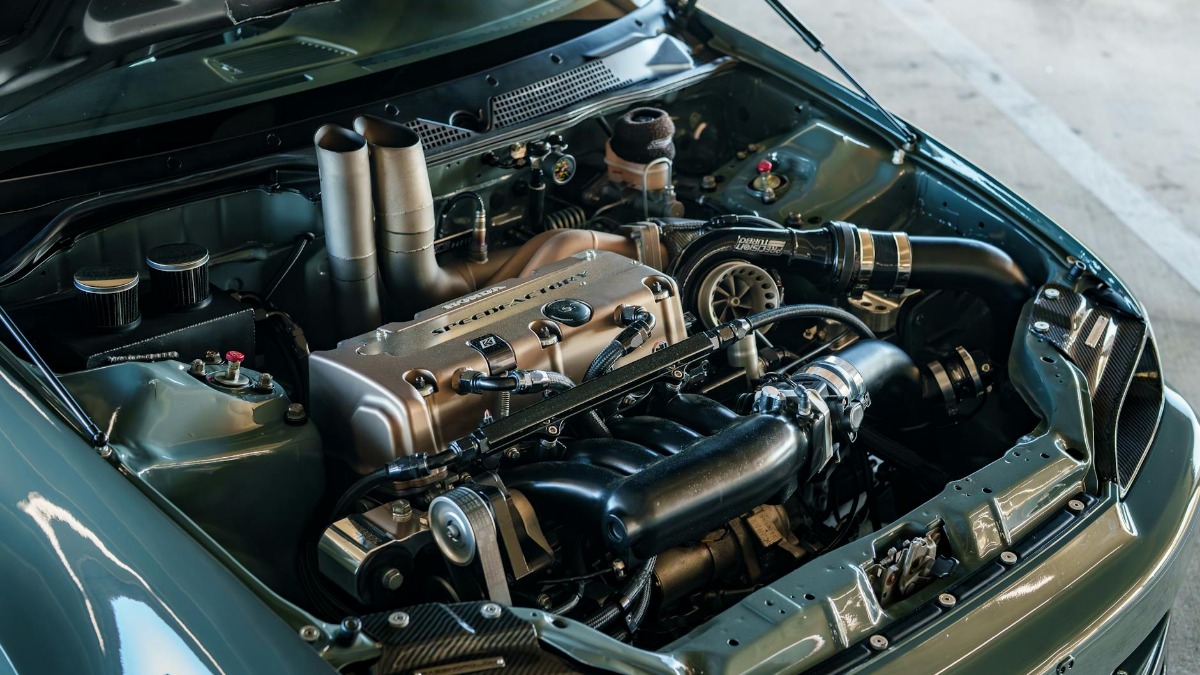

A Utah car enthusiast named Braxton Butterfield recently learned a hard lesson about vehicle modifications. He spent $7,000 upgrading a $2,000 used car, only to find that it had dropped in value to just $1,500. He shared the experience in a Facebook Reel that has since gathered over 806,000 views.
According to Motor1.com, the video shows Butterfield performing donuts in a cul-de-sac, with on-screen text that reads, “My hidden talent is that I can put 7k into a 2k car and make it worth $1,500.” While posted as a joke, the clip struck a chord with many car lovers who have faced the same disappointing reality.
Automotive experts generally agree that cars are not good investments. They start losing value the moment they leave the lot. Nick Musica of Cash For Your Junk Car notes that a car’s value depends on its condition, including its exterior, interior, accident history, rust, and cosmetic damage, as well as market demand and the brand’s reputation for reliability.
Modifications, mileage, and accidents are the biggest reasons a car loses its value
Mileage is one of the biggest factors that lowers a car’s value. Tariro Goronga, CEO of DriveSafe Driving Schools, says the typical yearly mileage is between 12,000 and 15,000 miles. Anything above that pushes a car into high-mileage territory, which hurts its resale price. As Goronga puts it, “In essence, as you drive your car more and more, its overall value will decrease.”
Even a car that has run reliably past 200,000 miles will still take a big hit in resale value. To manage this, Goronga suggests setting daily, weekly, or monthly driving limits, saying this “will help you keep track of your mileage and avoid accruing too many miles over time.” Unexpected situations on the road can also affect your car’s condition, much like a Florida man who stopped to help a crashed vehicle and ended up in a life-threatening situation himself.
A car’s accident history also plays a major role. Goronga explains, “Accidents not only cause physical damage, but they can also reduce a car’s worth when it comes time to trade in or sell.” According to Yahoo Finance, many buyers avoid cars with any mark on their history report, even if repairs were done professionally. Keeping a clean vehicle history is key to getting the best resale price.
As for modifications, Butterfield explained in an interview that installing expensive parts often lowers resale value, especially when selling to non-enthusiasts or dealerships. These buyers prefer stock cars because they are easier to resell. He also noted that “car guys would rather modify the car themselves over buying it pre built,” meaning enthusiasts usually want to customize a car to their own taste rather than pay for someone else’s choices.
The more extreme the modification, the smaller the buyer pool becomes. Things like neon interiors, large lift kits, or complex engine swaps appeal to very few people. Other car owners shared similar stories in the comments. One wrote, “i bought a 135i convertible (08 year one) for 12k its now fbo and worth half that lol”
Another said, “In the modern world you can add a $4k paint job and pick up another $600 !!!” A third simply joked, BUT, but, my wife thinks it’s now worth $15,000.” For those who enjoy taking a gamble on mystery car rentals, the unpredictability of what you get can be just as surprising as discovering your modified car is worth less than you paid for it.
Butterfield summed it up clearly: “Overall you’ll find modified cars, even ones that have thousands of extra dollars invested in them, will go for cheaper than a stock car as people don’t want someone else’s modified cars.” If keeping your car’s value matters to you, the safest approach is to leave it as close to its original factory condition as possible.







Published: Apr 9, 2026 03:09 pm