



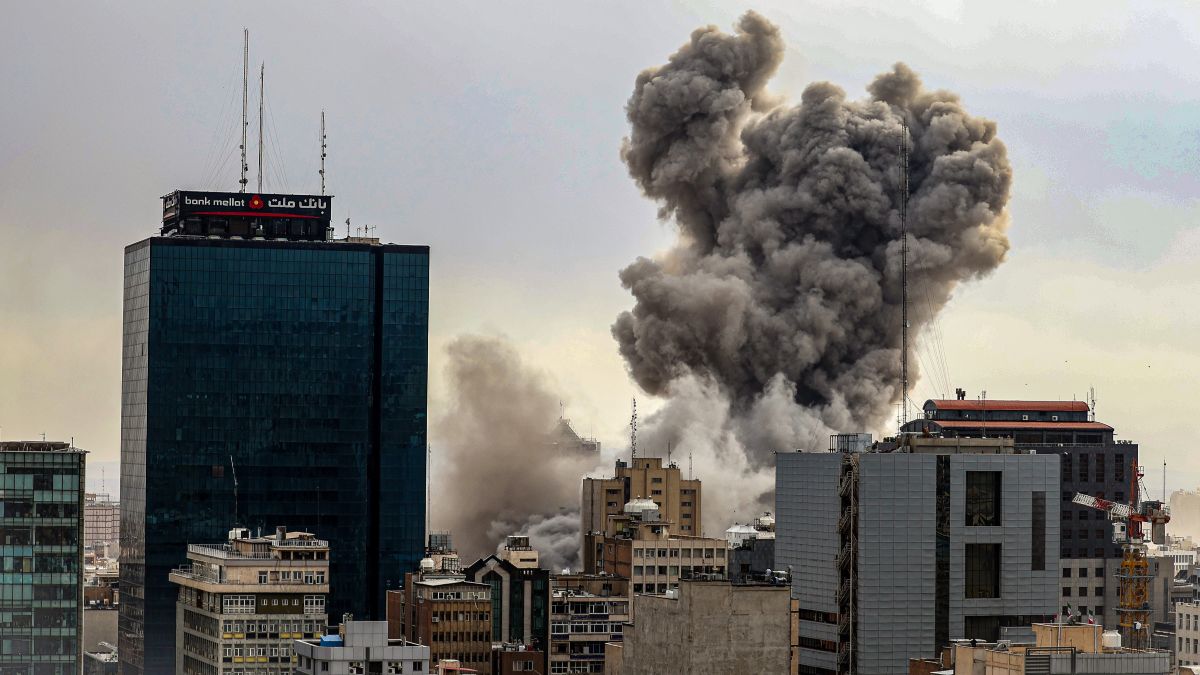
Three days into Operation Epic Fury, the largest US military operation in the Middle East in two decades, President Trump‘s war goals and his vision for Iran‘s future remain unclear. The administration has sent mixed messages about what success actually looks like.
According to the BBC, the administration initially said its main goal was to destroy Iran’s nuclear program. But in the hours and days after the first strikes, the stated reasons for the operation began to shift. Trump has been using social media posts and brief phone calls with reporters to signal his intentions, rather than formal public addresses.
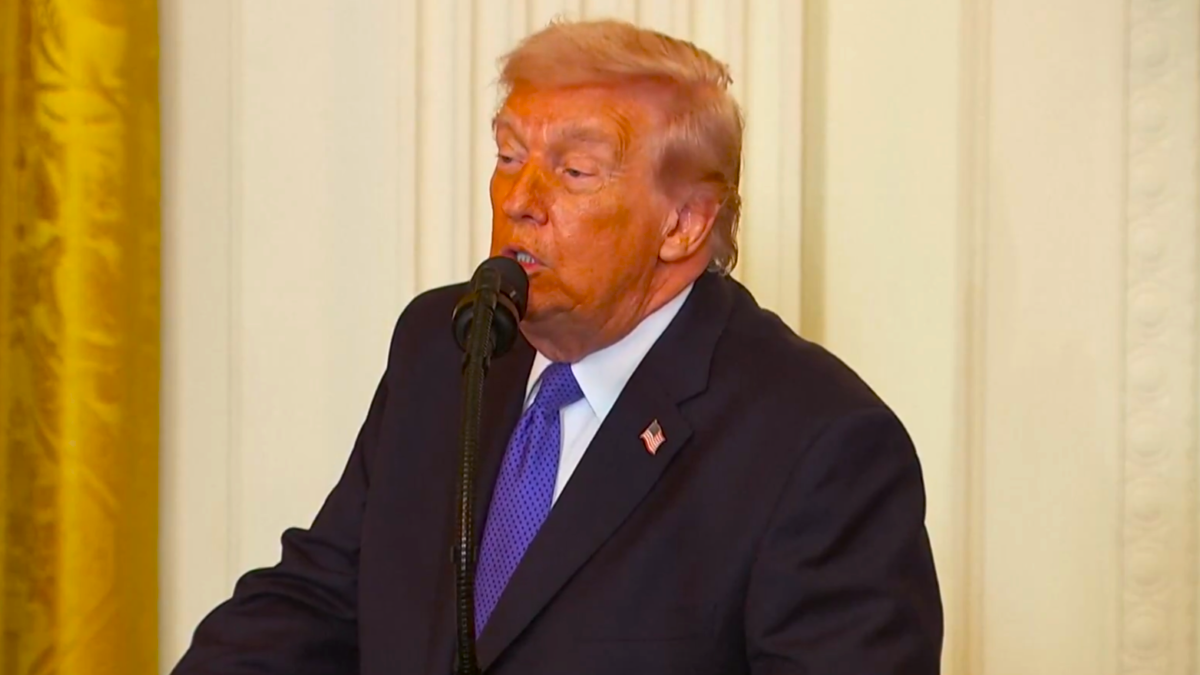
On Monday, Trump gave his first public remarks from the White House since the conflict began. He said the US aims to destroy Iran’s ballistic missile capabilities, its navy, its ability to build nuclear weapons, and its support for armed groups in the region. Without giving any reason or explanation, ge stressed it “it was our last best chance to strike.”
He said, “An Iranian regime armed with long-range missiles and nuclear weapons would be an intolerable threat to the Middle East, but also to the American people.”
Mixed signals from Trump and his top officials point to a war without a clear endgame
On Saturday, Trump urged Iranians to “take back your government,” which many saw as a call for regime change. He also said, “The attack was so successful it knocked out most of the candidates. It’s not going to be anybody that we were thinking of because they are all dead. Second or third place is dead.”
Secretary of Defense Pete Hegseth rejected the idea that the US goal was regime change, saying, “This is not a so-called regime change war, but the regime sure did change.” General Dan Caine warned that America’s military goals “will be difficult to achieve, and in some cases, will be difficult and gritty work,” and that the US could suffer further casualties.
Six US service members have been killed in retaliatory Iranian strikes hitting Jordan, Bahrain, the UAE, and other US allies. Secretary of State Marco Rubio later said the US struck Iran “pre-emptively” after learning Israel was planning to strike first. Rubio said, “We knew that if we didn’t preemptively go after them before they launched those attacks, we would suffer higher casualties.”
With public support already uncertain, polls showing Trump losing loyal voters over Iran could spell further trouble ahead. Democrats have argued that Trump has no defined strategy and warned the US could be pulled into a long conflict. Representative Adam Smith said, “We have not seen any specific intelligence, so I don’t think there’s any credible claim that there was an imminent threat coming from Iran.”
Critics have also pointed to Trump’s key mistakes in past public addresses as a sign of a broader communication problem. Former CIA Director General David Petraeus called the killing of Iran’s supreme leader a “historic achievement,” but warned that urging Iranians to rise up is very risky. He said, “Unfortunately, in most cases like this it is the guys who have the most guns and the most thugs and who are willing to be most brutal who prevail.”
Petraeus added, “No, the president has clearly said that won’t be the case, the vice-president has echoed that. And in a way I think they’re trying to pre-emptively reassure the American people there won’t be another long, tough, hard war such as we had in Iraq or Afghanistan.”



Published: Mar 3, 2026 12:27 pm