


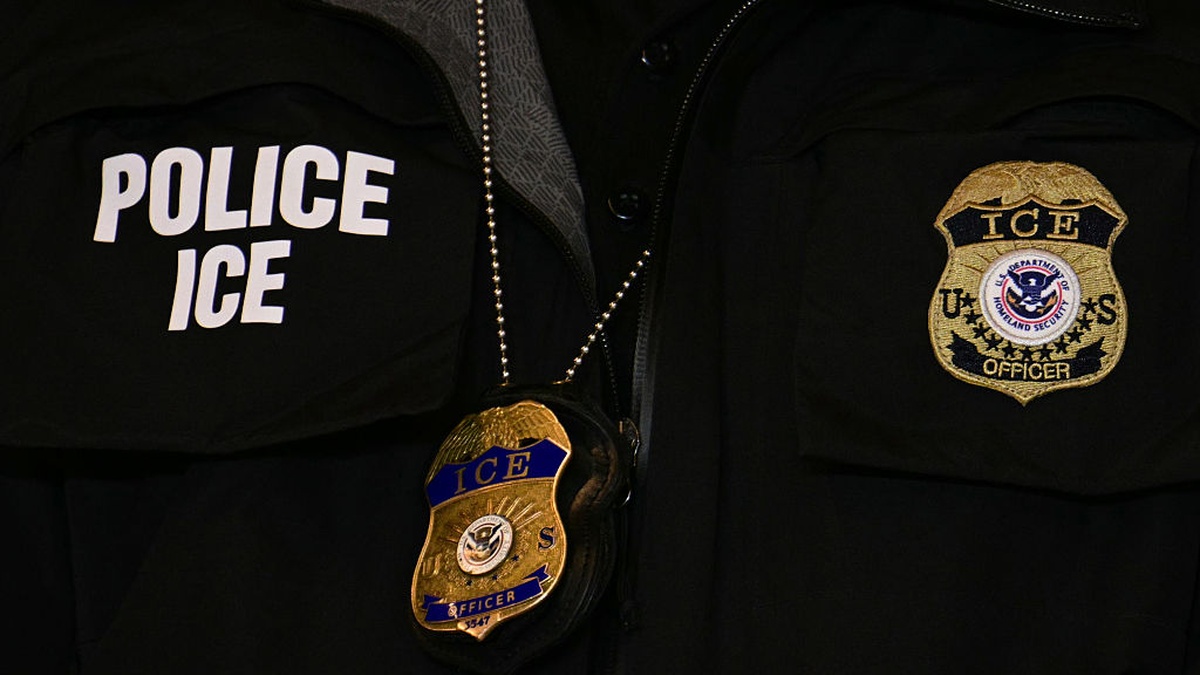

A gas station manager recently refused service to a U.S. Border Patrol Commander, sparking a national debate about whether private businesses can legally deny service to federal law enforcement officers. This incident is part of a growing trend of public hostility toward agents doing their jobs, raising questions about where a business’s personal politics end and its legal duties begin.
According to Fox News, the incident happened at a Speedway gas station where conservative activist Cam Higby recorded the encounter on video. The footage showed U.S. Border Patrol Cmdr. Gregory Bovino being followed out of the store by a man who said he was the manager. When Higby asked why he denied service to the federal agent, the manager’s answer was direct.
“Because I wanted to. I don’t support ICE and nobody here does,” the manager said. When asked if he thought denying service based on someone’s job as a federal agent was legal, the employee didn’t back down. He said, “If it is [illegal] I personally don’t care.” Commander Bovino stayed silent when asked about the situation outside the store.
This kind of discrimination raises serious moral and legal concerns
Zack Smith, a former Assistant U.S. Attorney for North Florida who now works as a senior legal fellow at the Heritage Foundation’s Institute for Constitutional Government, called the behavior morally wrong. He described it as “shameful conduct to try to penalize men and women who are going out, day in and day out, seeking to enforce federal… law, seeking to penalize them and refusing to provide them services.”
Smith explained that while businesses may have the legal right to turn away certain customers, that doesn’t make it morally right. He pointed out that this kind of hostility isn’t new, noting similar situations happened after George Floyd’s death in Minneapolis, where people refused service to law enforcement officers. ICE has faced growing criticism, with some critics comparing the agency to historical regimes.
This Speedway incident is just the latest in a series of similar cases. Deputy Homeland Security Secretary Tricia McLaughlin confirmed that agents have faced refusals at several gas stations where activists have “stalked agents.” Hotels have also been involved.
In Minnesota, employees at a Hampton Inn-branded hotel repeatedly refused service to ICE agents, canceling their reservations and telling them they weren’t welcome. Critics point to controversial detention practices and family separations as reasons for public anger toward the agency. Even Homeland Security Secretary Kristi Noem was once denied entry to a building in a Chicago suburb just to use the restroom.
When corporations get involved, the consequences can be serious. After the hotel incident, Hilton took quick action, removing the property from its system and even sending a crane to take down the Hampton Inn sign. Hilton CEO Christopher Nassetta later explained that some hotels close due to safety concerns, like when one DoubleTree property received bomb threats after housing agents, but he made it clear this was different from discriminatory refusals.
Speedway and its parent company, 7-Eleven, have not commented on the incident, which has frustrated many people. Smith believes the best way to address this behavior isn’t through legal action but through consumer power, suggesting that public pressure and boycotts can be more effective than laws when businesses refuse service to federal agents.

Published: Feb 3, 2026 04:03 pm