


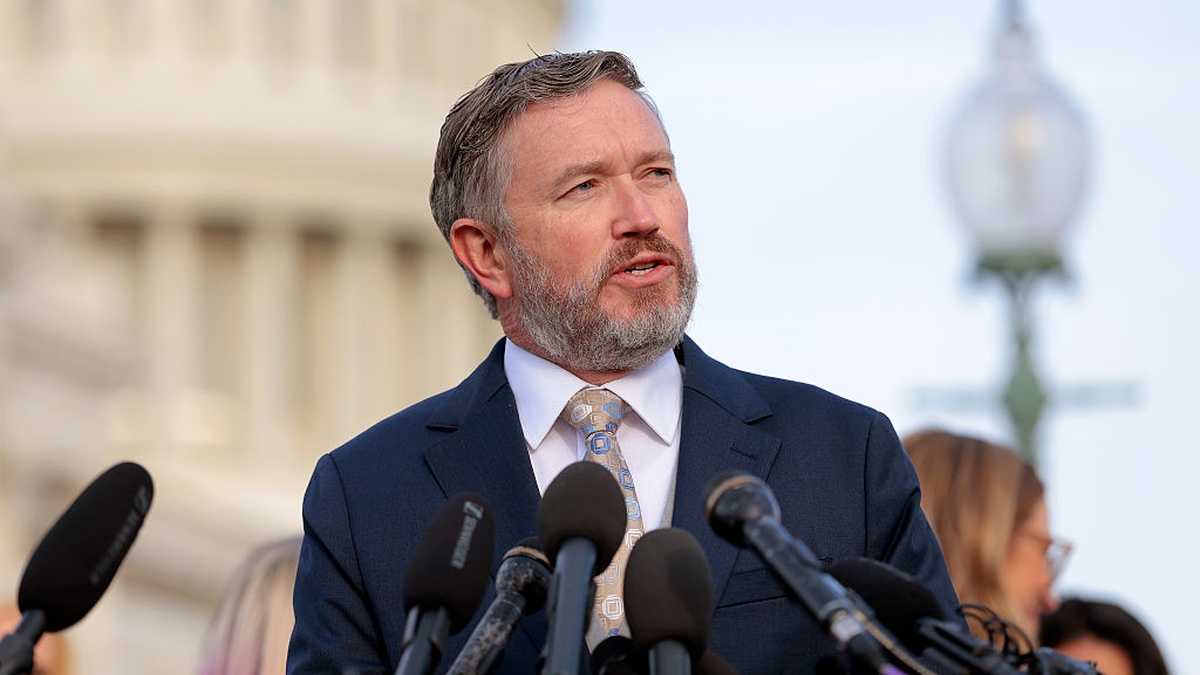

Rep. Thomas Massie, a Republican from Kentucky, criticized the Justice Department for being late in releasing files about Jeffrey Epstein, a convicted sex offender. The law requires these files to be made public, and Massie warned that legal action could be taken against officials.
According to The Hill, Deputy Attorney General Todd Blanche tried to explain the slow release by saying the department needs time to review documents and remove certain information. But Massie and others want the administration to work faster, especially since the DOJ missed the December 19 deadline to release all documents.
On Tuesday, Massie made his criticism even stronger. He said the people causing the delay could face legal consequences, even after the current Congress ends. “They’ve got a real problem, they could be in jeopardy after this Congress,” he said.
This delay could haunt officials long after Congress moves on
Massie spoke to reporters outside the Capitol and explained why this situation is different from usual delays. “Typically, with contempt, you might refer it to the DOJ, and the DOJ never prosecutes, and the problem goes away at the end of the Congress. This law does not expire.”
Massie said the officials involved have a real problem now. They could be in trouble even after this Congress is over. The congressman’s warning adds to growing concerns about Trump’s potential impeachment over controversial decisions that have drawn criticism from both parties.
President Trump signed the Epstein Files Transparency Act into law in November. This law forces the DOJ to publish all unclassified records, documents, communications, and investigation materials related to Epstein, who was a disgraced financier before his death.
Massie has been working with Rep. Ro Khanna, a Democrat from California, to uncover more details about Epstein’s activities. They also want information about his allies and the people who helped him over the years. The push for transparency comes as Trump’s administration pursues Venezuela’s oil reserves in controversial foreign policy moves.
“If this were a private law firm with 5 percent of the resources of the DOJ, this would have been done by the deadline,” Massie said. “They just missed another deadline to report all of the politicians in their files, and they’re supposed to justify all of their redactions.”
Massie also rejected the idea that the Freedom of Information Act stops the Trump administration from releasing some materials. He pointed to specific language in the Epstein Files Transparency Act that requires the government to share information about internal decisions, including agreements not to prosecute certain people.




Published: Jan 8, 2026 09:41 am