




The U.S. military dropped 5,000-pound bunker buster bombs on underground Iranian missile sites near the Strait of Hormuz. The strike came as Iran’s ongoing blockade of the Persian Gulf waterway has severely disrupted global shipping and rattled international energy markets.
U.S. Central Command announced the attack on X, confirming that multiple 5,000-pound deep penetrator munitions were successfully used. The bombs targeted hardened Iranian missile sites along the coastline near the Strait of Hormuz. CENTCOM stated that the Iranian anti-ship cruise missiles stored at these sites posed a direct threat to international shipping passing through the strait, which is one of the most critical chokepoints for global trade.
According to the New York Post, Iran has effectively shut down the Strait of Hormuz using a combination of mines, drones, and ships. This blockade has halted 27% of global maritime energy flow and pushed oil prices well above $100 per barrel, dealing a significant blow to the world economy.
The GBU-72 bomb was built specifically to destroy deeply buried and hardened targets
According to a U.S. official, the munitions used were the GBU-72 Advanced 5K Penetrator. The bomb was first released by U.S. aircraft in 2021. The U.S. Air Force developed it specifically to “overcome hardened, deeply buried target challenges,” and it is compatible with both fighter and bomber aircraft, making it a flexible option for strikes of this nature.
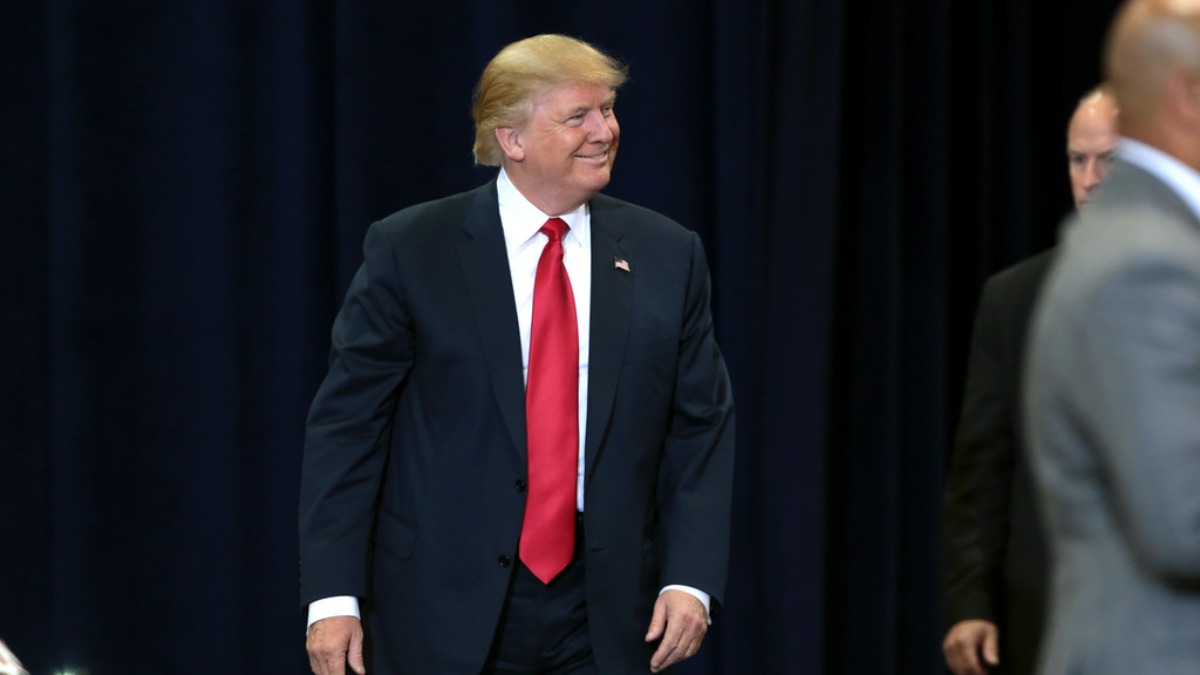
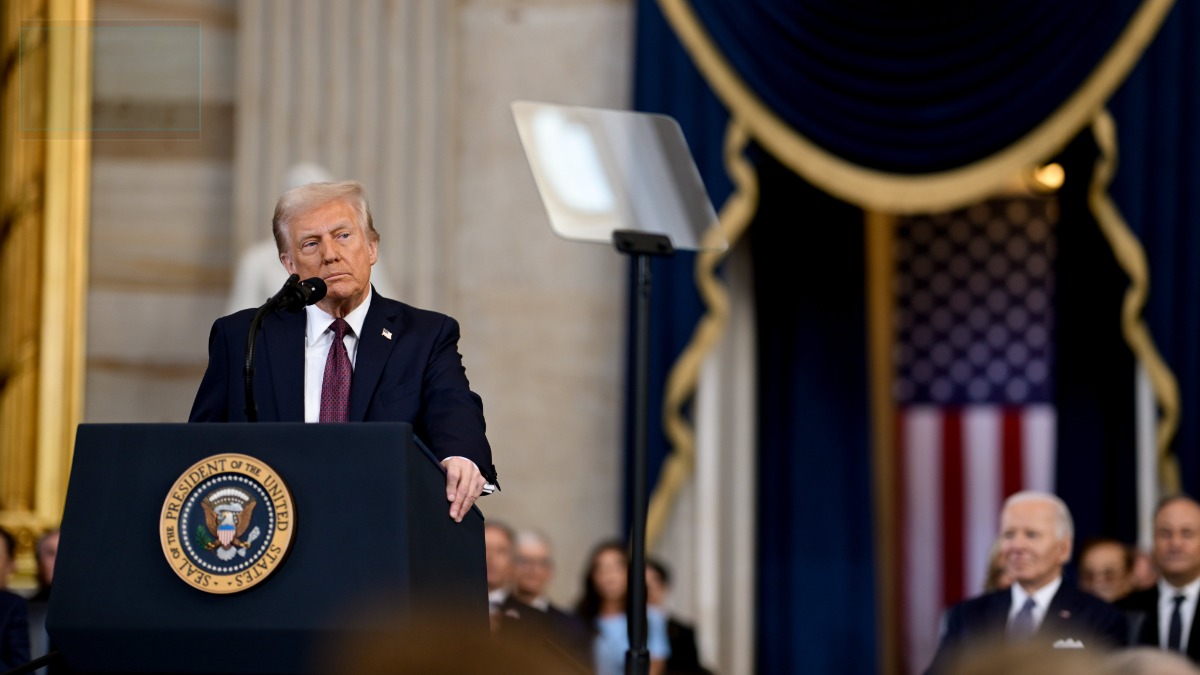
President Trump has publicly expressed frustration with European allies, including France and the UK, for refusing to help reopen the strait. Trump has also been warning allies about the Hormuz crisis consequences while facing pushback from countries like Germany over his approach to the situation.
Admiral Brad Cooper, commander of CENTCOM, stated in a video on Monday that the U.S. will “continue to rapidly deplete Iran’s ability to threaten freedom of navigation in and around the Strait of Hormuz.” He also said, “Our progress remains steady, and we remain vigilant against the enemy.”
Meanwhile, Trump has separately claimed the Iran power transition as a victory despite the deaths of all U.S.-backed leaders involved, raising further questions about how the administration is framing the broader conflict with Iran. The strike is part of a continuing U.S. effort to neutralize Iranian military threats and restore safe passage through one of the world’s most vital shipping routes.





Published: Mar 18, 2026 03:33 pm