



The White House has made it clear that President Donald Trump alone decides who represents the United States in nuclear talks with Iran. This comes after reports emerged that Tehran specifically wants to negotiate with Vice President JD Vance, while rejecting Special Envoy Steve Witkoff and Jared Kushner.
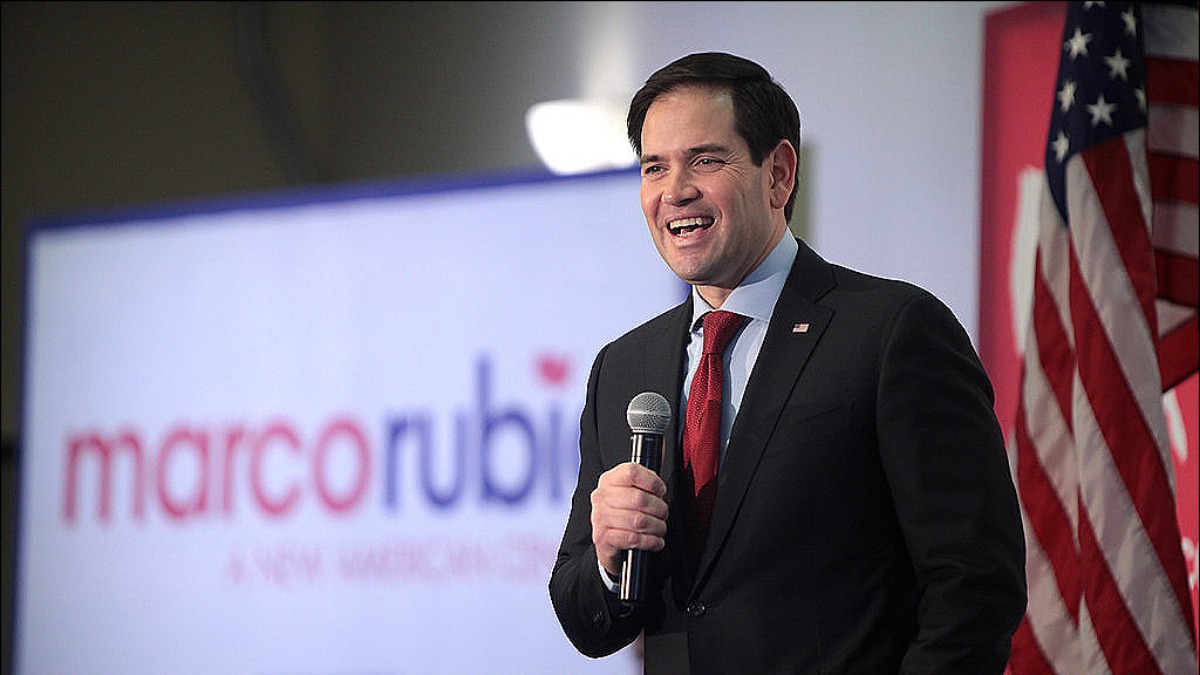
According to the New York Post, White House Press Secretary Karoline Leavitt pushed back firmly on the idea that Iran gets to choose American negotiators. “President Trump and President Trump alone decides who negotiates on his behalf,” she said. She confirmed that Vance is involved in the talks, alongside Secretary Rubio, Witkoff, and Kushner.
President Trump himself told reporters, “JD is involved, and Marco’s involved, and Jared Kushner is involved, very smart guy, and Steve Witkoff, smart guy, is involved. And I’m involved.” A White House official also dismissed the reports about Iran’s preferences as “utterly false,” calling it a “coordinated foreign propaganda campaign meant to undermine the president.”
Iran’s preference for Vance reflects deep distrust of past US diplomacy
Iranian officials reportedly want to deal with Vance because, as one source put it, “They want to deal with the vice president because he’s anti-war.” Past rounds of negotiations have collapsed, sometimes followed by military strikes, which has fueled Tehran’s push to bypass traditional diplomatic channels and engage someone they see as more skeptical of military action.
Vance has been critical of past Middle East interventions, but has publicly backed Trump on the current Iran situation. “I trust President Trump can get the job done, to do a good job for the American people, and to make sure that the mistakes of the past aren’t repeated,” he said. Vance has also made headlines recently for his controversial views on American cultural identity, which have drawn significant public attention.
US and Iranian government-level contacts are currently underway, with both sides reviewing a 15-point plan outlining demands and potential concessions. Turkey and Pakistan are being considered as possible meeting locations, though nothing is confirmed yet.
On the Iranian side, a potential counterpart could be parliament speaker Mohammad Bagher Ghalibaf, a prominent hardliner known for making pragmatic economic comments. Gulf states have largely declined to mediate.
Qatari officials reportedly rejected an Iranian request to help unless Tehran stopped attacks against Gulf Cooperation Council countries, which Iran refused, causing the Gulf states to step back. This has left Turkey and Pakistan as the leading candidates to serve as intermediaries.
Israeli officials, meanwhile, are urging Western leaders not to ease pressure on Iran. Israeli Diaspora Affairs Minister Amichai Chikli warned that letting Iran claim any symbolic success after recent military setbacks would only strengthen the regime.
“My personal view is that it would be a mistake,” he said, referring to any easing of restrictions. Outside of foreign policy, Vance has also been in the news for more personal reasons, including his stance on children’s screen time and numbers that resonated with many American parents.
“I don’t believe in deals with this regime,” Chikli added, calling for a long-term strategy focused on weakening the regime from within. “We need to make sure that we’re giving nothing to the Iranian regime. This regime must go, for the sake of the region, for the sake of the Iranian people.”




Published: Mar 25, 2026 03:27 pm