


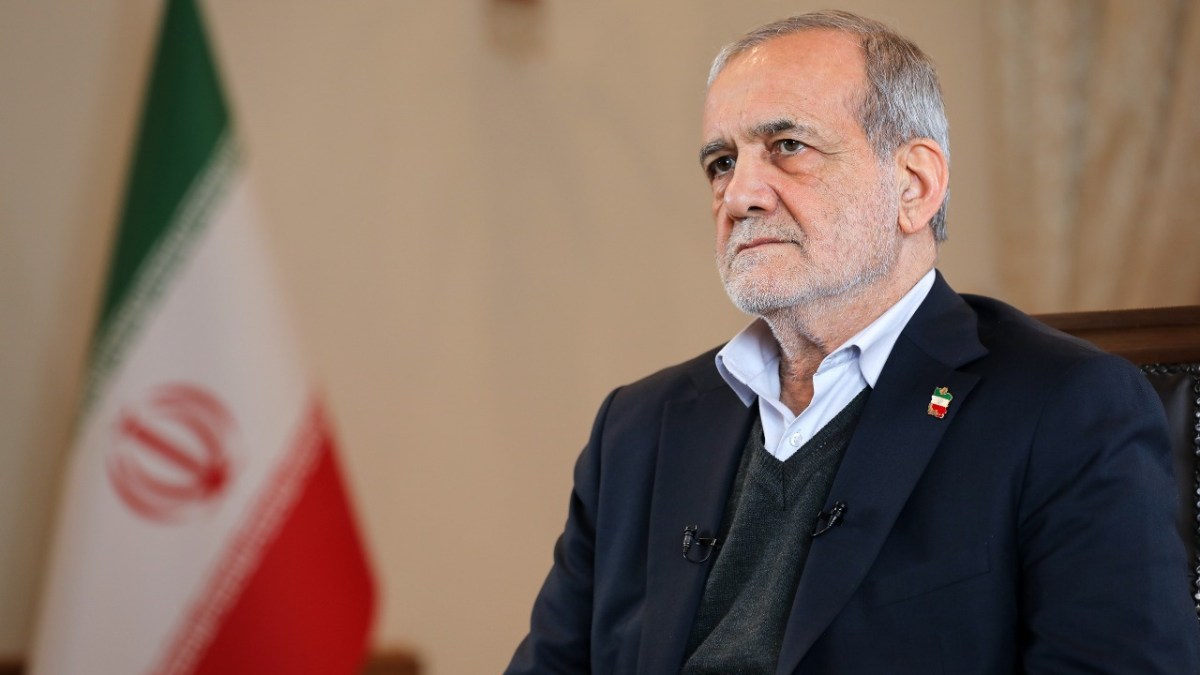

Iranian courts have officially demanded that the United States pay $290 billion in damages, according to a statement from a judiciary official on Monday, France24 reports. This development comes as the regional conflict continues to escalate, following a wave of strikes initiated by the United States and Israel on February 28, 2026, which resulted in the death of Iran’s supreme leader Ayatollah Ali Khamenei.
Hassan Abdolianpour, who serves as the head of the judiciary’s centre for lawyers, announced the legal action via state television. “We have secured court rulings in domestic courts awarding $290 billion in damages against the Americans,” said Hassan Abdolianpour.
Beyond the demand for financial restitution from the United States, he noted that several lawsuits have been filed against Gulf Arab nations. These suits allege that those countries allowed their territory to be used by America to launch attacks against Iranian interests.
The financial demand is framed as compensation for American actions spanning several decades
This legal maneuvering coincides with ongoing economic pressures, as the administration of President Donald Trump issued new Iran-related sanctions targeting dozens of people and entities on Monday. These updates were published on the US Department of Treasury website.
The current climate is a sharp departure from the Islamabad memorandum of understanding signed in June between the US and Iran. That agreement sought to create a path toward peace and included a specific clause for Washington and its regional partners to develop a plan providing at least $300 billion for the reconstruction and economic development of Iran.
The ongoing war has caused catastrophic damage across the region. Iranian gas facilities have seen production capacity drop significantly, with 140 million cubic meters of daily production still offline. This has led to rolling blackouts and fuel shortages that impact homes, businesses, and industrial sectors like cement and petrochemicals.
Reports from the Red Crescent indicate that over 6,668 civilian units, including schools and medical centers, have been targeted. For instance, the Shajareh Tayyebeh Elementary School in Minab sustained direct hits during the conflict.
The military toll is equally staggering. Iranian missile and drone strikes have damaged hundreds of buildings, aircraft, and radar systems at U.S. military and diplomatic sites. Estimates suggest the damage to U.S. bases falls between $5 billion and $15 billion, with facilities in Bahrain accounting for at least $400 million of that total.
Beyond the infrastructure damage, the human cost is immense, with thousands of deaths reported in Iran and Lebanon, and over 20 U.S. service members killed. The environmental impact remains a growing concern as well, with more than 500 oil spills covering roughly 21,000 square kilometers in the Persian Gulf. These spills are often the result of vessels idling or being struck during naval blockades and airstrikes, threatening vital marine ecosystems.






Published: Nov 24, 2026 09:30 am