


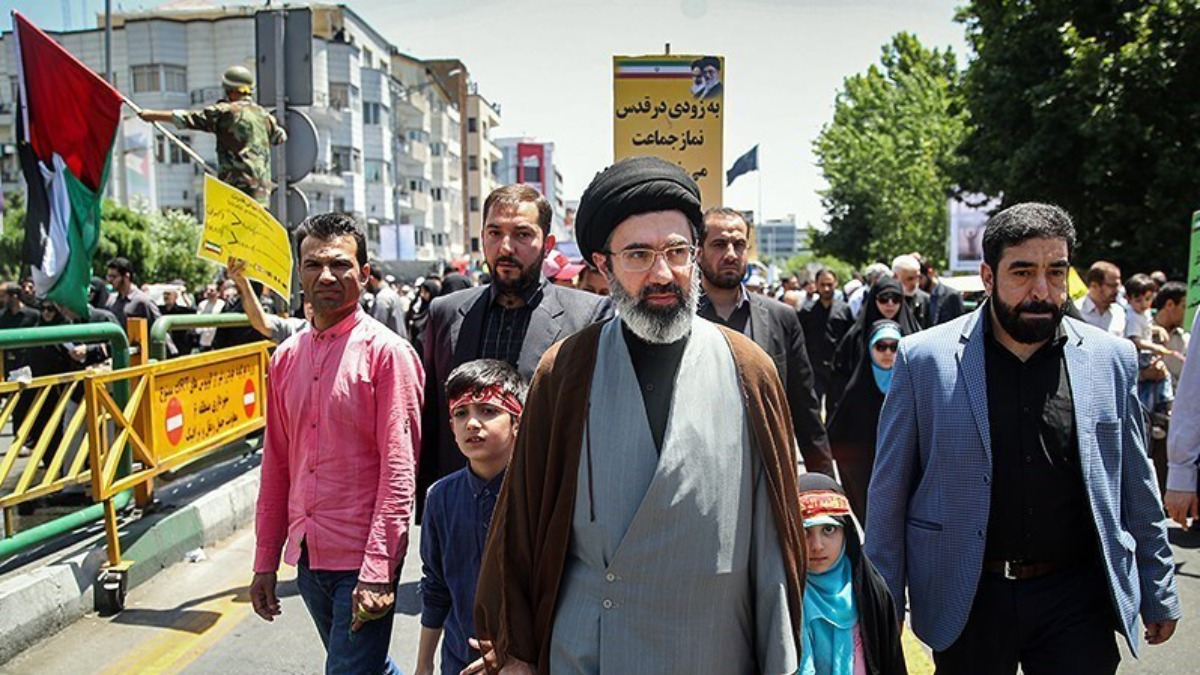

Iran has named Mojtaba Khamenei, son of the late Supreme Leader Ali Khamenei, as the country’s new supreme leader. This move cements hardliner power and turns the Islamic Republic into a dynasty. The 1979 revolution was built on ending the idea of passing power from father to son, and this appointment directly contradicts that founding principle.
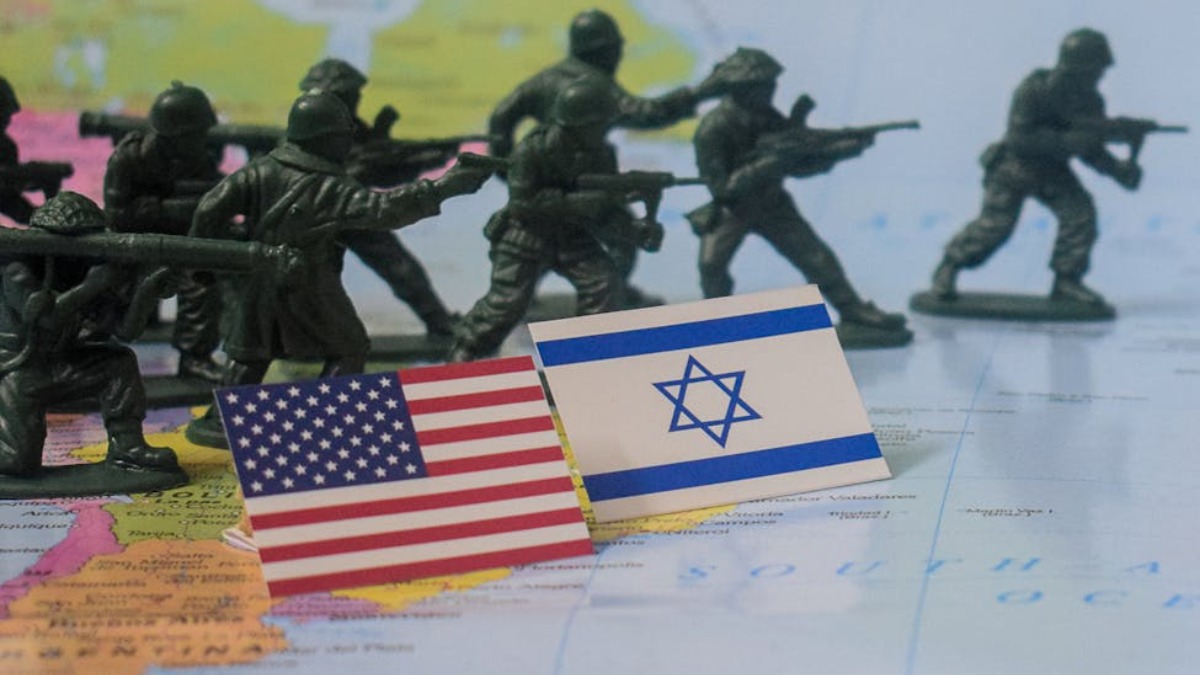
This comes after a devastating period for the Khamenei family. Mojtaba’s father, Ayatollah Ali Khamenei, died in US-Israeli air strikes. State media reported that his daughter, grandchild, daughter-in-law, and son-in-law were all killed in the same attack, and his mother died shortly after from her wounds.
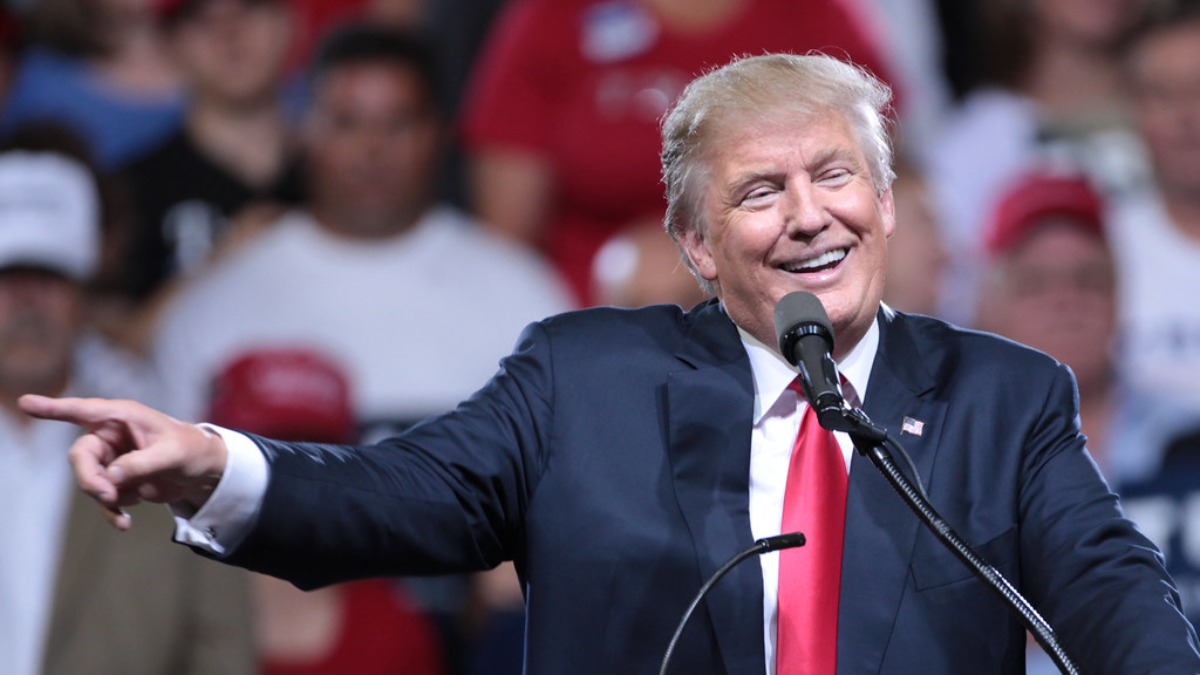
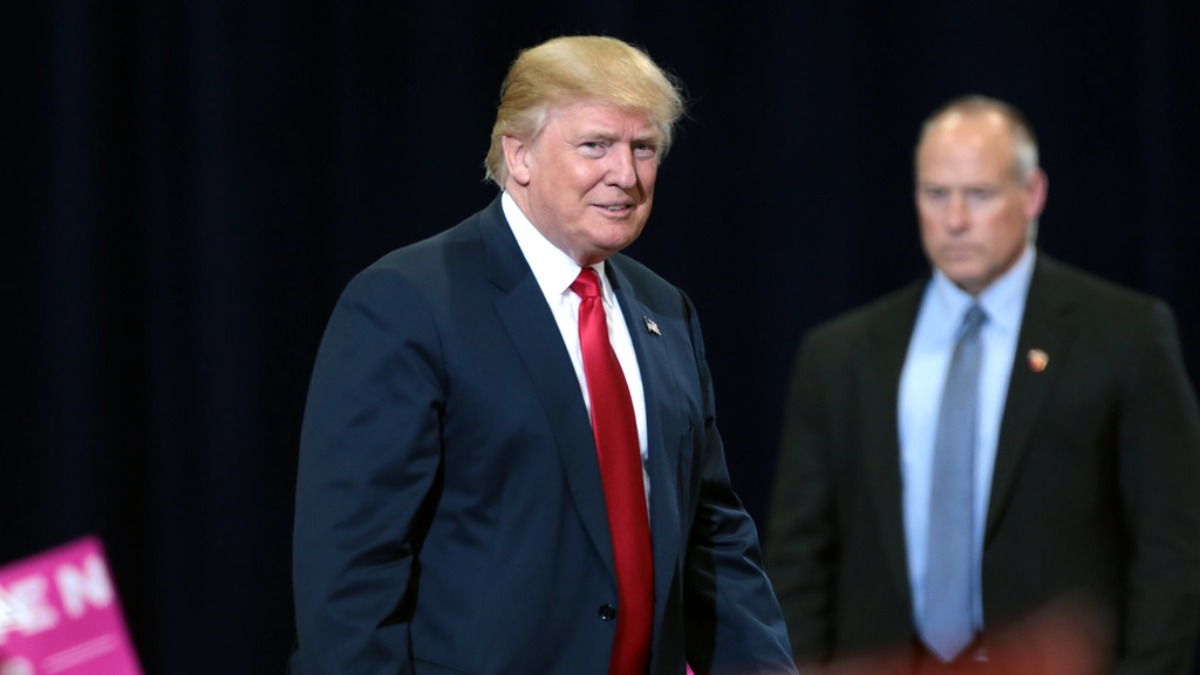
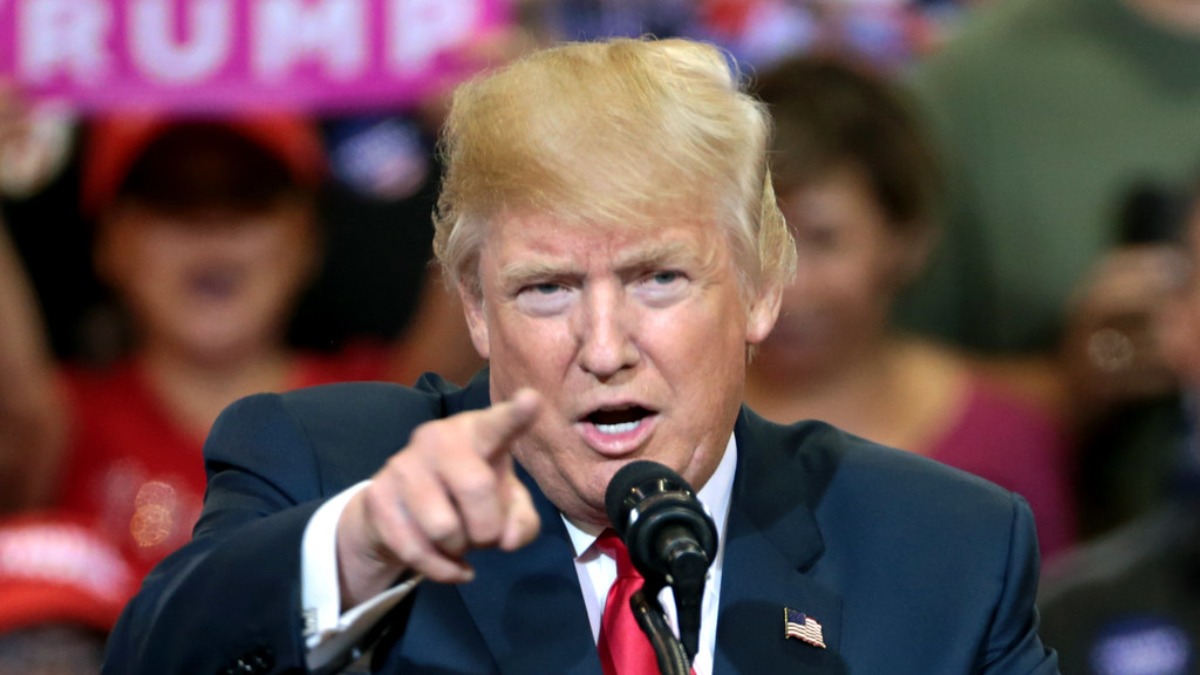
According to CNN, President Trump weighed in last week, stating that Khamenei’s appointment as his father’s successor would be “unacceptable” to him. The political consequences of this appointment go far beyond one family’s loss.
Mojtaba Khamenei’s rise was built in the shadows, not through any public leadership role
Mojtaba Khamenei was born in 1969 and received religious training, but he never reached the rank of Mujtahid, a level of Islamic jurisprudence that many regime loyalists consider essential for the supreme leader role. He is married to Zahra, the daughter of Gholam Haddad Adel, a former parliament speaker and close associate of his father. Iran’s state media has also faced scrutiny lately, after a woman falsely reported as executed appeared alive on Israeli broadcast.
For years, Mojtaba stayed out of the public eye while building strong ties with the Islamic Revolutionary Guard Corps (IRGC) and powerful economic networks. In 2021, posters appeared in Tehran openly promoting him as the next leader. Many believe he played a key role in pushing for Mahmoud Ahmadinejad’s election in 2005, reportedly mobilising IRGC networks against rival Akbar Hashemi Rafsanjani.
By 2009, when millions of Iranians protested what they saw as a rigged re-election for Ahmadinejad, Mojtaba’s political influence was clear. That uprising was brutally crushed, effectively ending any real domestic reformist movement. Protesters at the time chanted, “Mojtaba may you die so you don’t assume the leadership role.”
The US sanctioned him in 2019, with the Treasury accusing him of working closely with the Revolutionary Guards commander to advance his father’s “destabilising regional ambitions and oppressive domestic objectives.” He has no administrative track record and has made very few public statements on the social, economic, cultural, and political challenges Iran faces.
Analysts warn that proxy groups escalating the Iran conflict into a regional war remains a very real concern going forward. This appointment sends a clear message about where Iran’s hardline rulers are headed, removing any real hope for a more democratic future. As one expert put it, selecting him is a clear signal of the “continuation of the regime,” and a strong message that US-Israeli military pressure is “not going to get us to shift position.”




Published: Mar 9, 2026 02:23 pm