



Indirect nuclear talks between the US and Iran in Geneva have made “good progress,” according to Tehran, but major disagreements remain. The discussions, mediated by Oman, represent the closest the two countries have come to a nuclear deal in years, even as military tensions in the Gulf remain high.
Iranian Foreign Minister Abbas Araghchi told state television that both sides reached a “broad agreement on a set of guiding principles,” which gives a foundation for future talks. He said, “We now have a clear path ahead, which I think is positive,” but acknowledged that closing the remaining gaps “will take time.” The next step is for both sides to exchange draft texts before a third round of talks can be set.
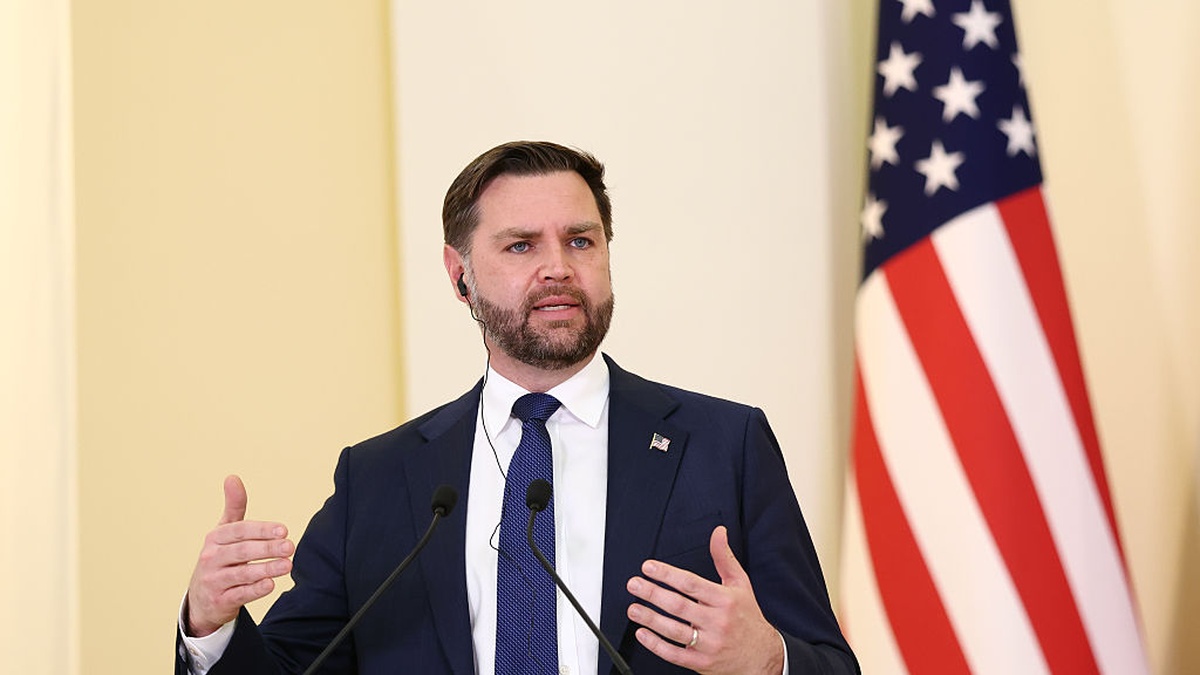
According to Al Jazeera, the US side was more cautious. Vice President JD Vance said the talks “went well” in some ways, but that President Trump has set “red lines” that Iran is not yet willing to accept. Vance also made clear that Trump “reserves the ability to say when he thinks that diplomacy has reached its natural end,” leaving military action on the table if talks fail.
Uranium enrichment remains the biggest obstacle standing between both sides and a deal
The main disagreement comes down to two issues. Iran wants an end to sweeping US sanctions, including the ban on other countries buying its oil, and insists that any deal must give real economic benefits while protecting its sovereignty. Tehran says that zero uranium enrichment on its soil and any talks about its missile program are completely off the table.
Washington, on the other hand, wants Iran to give up uranium enrichment entirely and wants the talks to cover non-nuclear issues, specifically Iran’s missile stockpile. Before talks began, Trump’s B-2 bomber threats failed to pressure Iran into changing its position, and this gap between the two sides remains the central sticking point threatening to derail negotiations.
Both countries have also been showing off their military strength. Trump posted images of the USS Abraham Lincoln and boasted about US fighter jets as tensions with Iran rose. The carrier holds nearly 80 aircraft, with F-35s and F-18s within striking distance of Iran.
Iran’s Supreme Leader Ayatollah Khamenei warned that his country has the ability to sink a US warship, and Iran’s Islamic Revolutionary Guard Corps ran war games in the Strait of Hormuz, temporarily closing parts of the key waterway for “security precautions.”
Ali Vaez, Iran project director at Crisis Group, believes there is room for a nuclear agreement. He noted that Iran’s nuclear program has been “degraded on the ground,” which could make it easier for Tehran to accept a temporary halt to enrichment, especially since Iran hasn’t spun a single centrifuge since the 12-day war in June.
However, on non-nuclear issues like missiles and regional activity, Vaez warned Iran will likely offer only “superficial concessions,” not the “grand bargain capitulation” the US may be hoping for.
Iranian President Masoud Pezeshkian said Tehran is “absolutely not seeking nuclear weapons” and is open to verification, but insisted Iran must not be stopped from using nuclear science for civilian purposes like medicine, industry, and agriculture. Iran is a signatory to the nuclear Non-Proliferation Treaty, which allows countries to pursue civilian nuclear power while banning atomic weapons.



Published: Feb 18, 2026 02:35 pm