


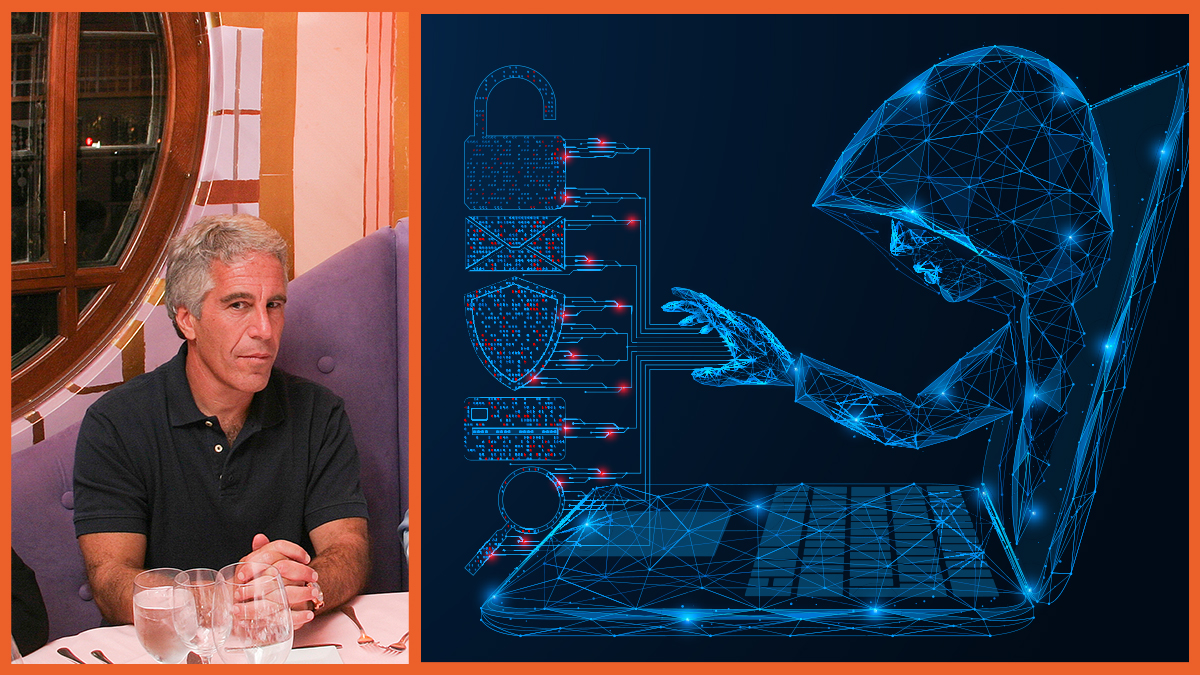

Newly released Justice Department documents confirm that convicted sex offender Jeffrey Epstein spent years communicating with cybersecurity experts and actively recruiting hackers. His interest in cryptography and network security wasn’t just academic; it was focused on removing information about himself from online search engines. This whole desperate effort to manipulate the digital world kicked off after his 2008 conviction for soliciting sex from minors.
Epstein was particularly obsessed with attending the world’s largest hacker conventions, DEFCON and Black Hat, where thousands of researchers and hackers gather annually in Las Vegas to discuss the latest cyber vulnerabilities. Jeff Moss, who founded both conferences, told researchers, “As far as we can tell, he wanted to attend, but never did.” He added that he is still waiting for any evidence that Epstein succeeded in his extensive plans.
According to Politico, emails show that Epstein’s digital connections go back to as early as 2010. He was in touch with cryptography researcher Ian Goldberg, who had been introduced to him by tech expert Pablos Holman. Goldberg, who works at the University of Waterloo, ended up turning down Epstein’s offer to fund his work.
That is one way to get rid of a past
Holman, however, seemed deeply involved in Epstein’s digital schemes, communicating since 2010. Crucially, Holman advised Epstein directly on how to bury “negative stuff” online. Epstein even made plans to attend DEFCON for a few hours in August 2013 specifically to meet Holman, though it’s unclear if he or his nearly dozen guests obtained tickets or attended the event. The connections spiderweb from there.
Epstein was friends with Joichi Ito, the former director of the MIT Media Labs, who not only got him into cryptocurrency but also introduced Epstein to entrepreneur Vincenzo Iozzo in 2014. Iozzo’s roles at cybersecurity company CrowdStrike and boardmember of Black Hat conference made him the major point of contact for DEFCON tickets. An event where Epstein planned to invite former Israeli PM Ehud Barak, American billionaire Tom Pritzker, and, chillingly, “four girls.”
By 2018, the cybersecurity community was clearly wary of Epstein. Emails suggest that Epstein’s request to meet the founder of Black Hat was denied due to “what’s out there online” about Epstein. The documents also contain a claim from an FBI file suggesting Epstein had a “personal hacker” who developed “offensive cyber tools” sold to several unnamed governments. Though the hacker’s name is redacted, the description, including that the person had a company acquired by CrowdStrike in 2017, matches Iozzo’s background.Epstein’s network is both impressive and terrifying to behold, spanning across business, academia, tech, and now the internet.






Published: Feb 15, 2026 12:40 pm