


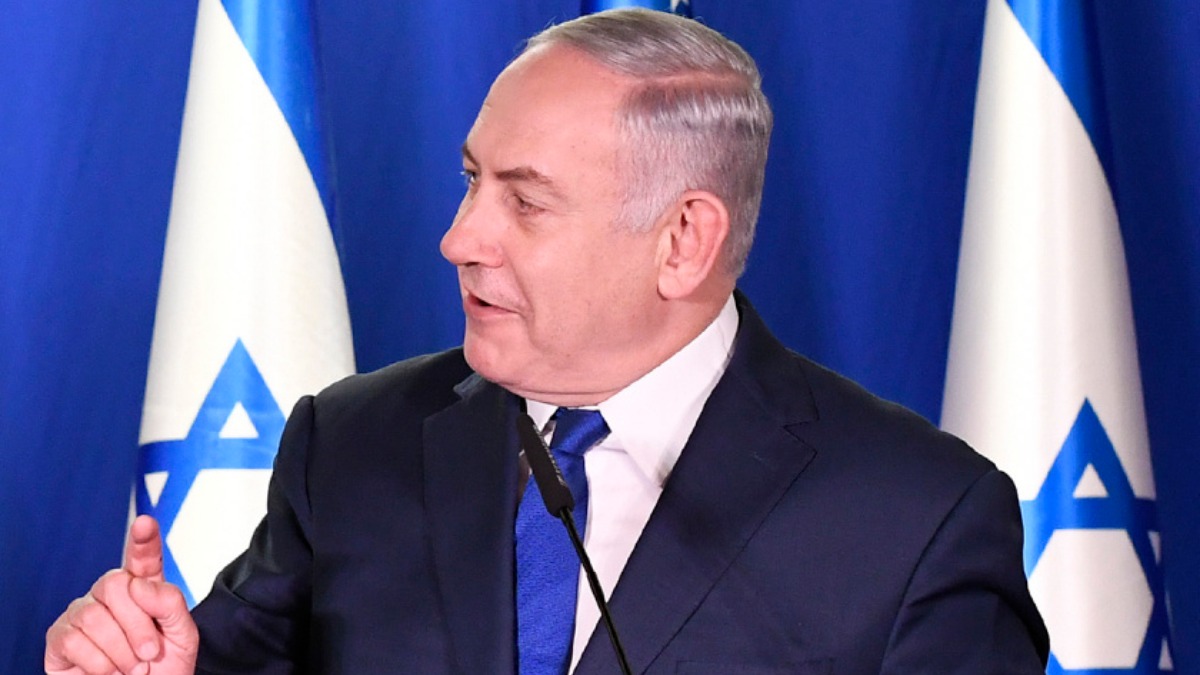

Israeli Prime Minister Benjamin Netanyahu made a stunning admission at a Cabinet meeting recently. He told his ministers that the Donald Trump administration gives him daily updates on the ongoing war with Iran, including the latest developments in ceasefire negotiations. The statement was not a leak or a rumor. Netanyahu said it himself, openly, in front of cameras.
The context behind the admission was a phone call Netanyahu said he received from Vice President JD Vance. Vance had called Netanyahu from his plane on the way back from Islamabad, where 21 hours of talks with Iran had ended without a deal. Netanyahu told his Cabinet that Vance had briefed him on why the negotiations collapsed, saying Iran had refused to reopen the Strait of Hormuz as it had agreed to do before talks began.
It was during this account that Netanyahu dropped the line that set off a wave of reaction online and in Washington. “He reported to me in detail, as this administration does every day, about the development of the negotiations,” Netanyahu said, according to Andalou Agency. Democratic Congressman Mark Pocan of Wisconsin took to X and responded sharply: “The Trump administration daily reports to Netanyahu on the Iranian war, but not Congress or the American people. Let that sink in.”
So the Israeli PM knows more about U.S. war talks than U.S. lawmakers do?
Pocan was not the only one troubled by what Netanyahu had revealed. Joe Kent, the former director of the National Counterterrorism Center who resigned over the Iran war, warned that negotiations would fail if the Trump administration kept “giving them access to our decision making.” Kent also argued that Israel’s push for zero uranium enrichment inside Iran was a move designed to keep the war going, calling it a “poison pill” that Iran would never accept.
Even voices on the far right were not pleased. Conservative commentator Candace Owens said Netanyahu “enjoys publicly humiliating Donald Trump and JD Vance,” suggesting the Israeli leader’s public bragging was less about transparency and more about making a point.
Owens was far from alone in that reading. Israeli social media had also erupted with anger and embarrassment over the Trump-Iran ceasefire situation, showing that the frustration over how this war is being handled is not limited to American lawmakers. The White House did not respond to Netanyahu’s claims.
The broader backdrop to all of this is a war that has already caused enormous damage. The U.S. and Israel launched their campaign against Iran on February 28, and it quickly expanded across the region as Iran retaliated with strikes on Israel and Gulf countries hosting U.S. troops and assets. More than 2,000 people have been killed, as per Al Jazeera.
Pakistan helped broker a temporary ceasefire, but Vance returned home from the Islamabad talks without a deal, leaving open the question of what comes next, and whether the two sides will return to the table or back to the battlefield.
What Netanyahu’s comments laid bare is a question that many lawmakers now seem to be asking out loud: who exactly is the Trump administration answerable to when it comes to this war? If a foreign leader can publicly confirm he gets daily briefings from the Vice President, while members of Congress say they are being kept in the dark, that is a transparency problem that goes well beyond any single phone call.









Published: Apr 14, 2026 02:04 pm